Digital
The Complete Guide to Understanding, Using, and Optimizing Tags for Better Organization and SEO

What Are Literatica Tags?
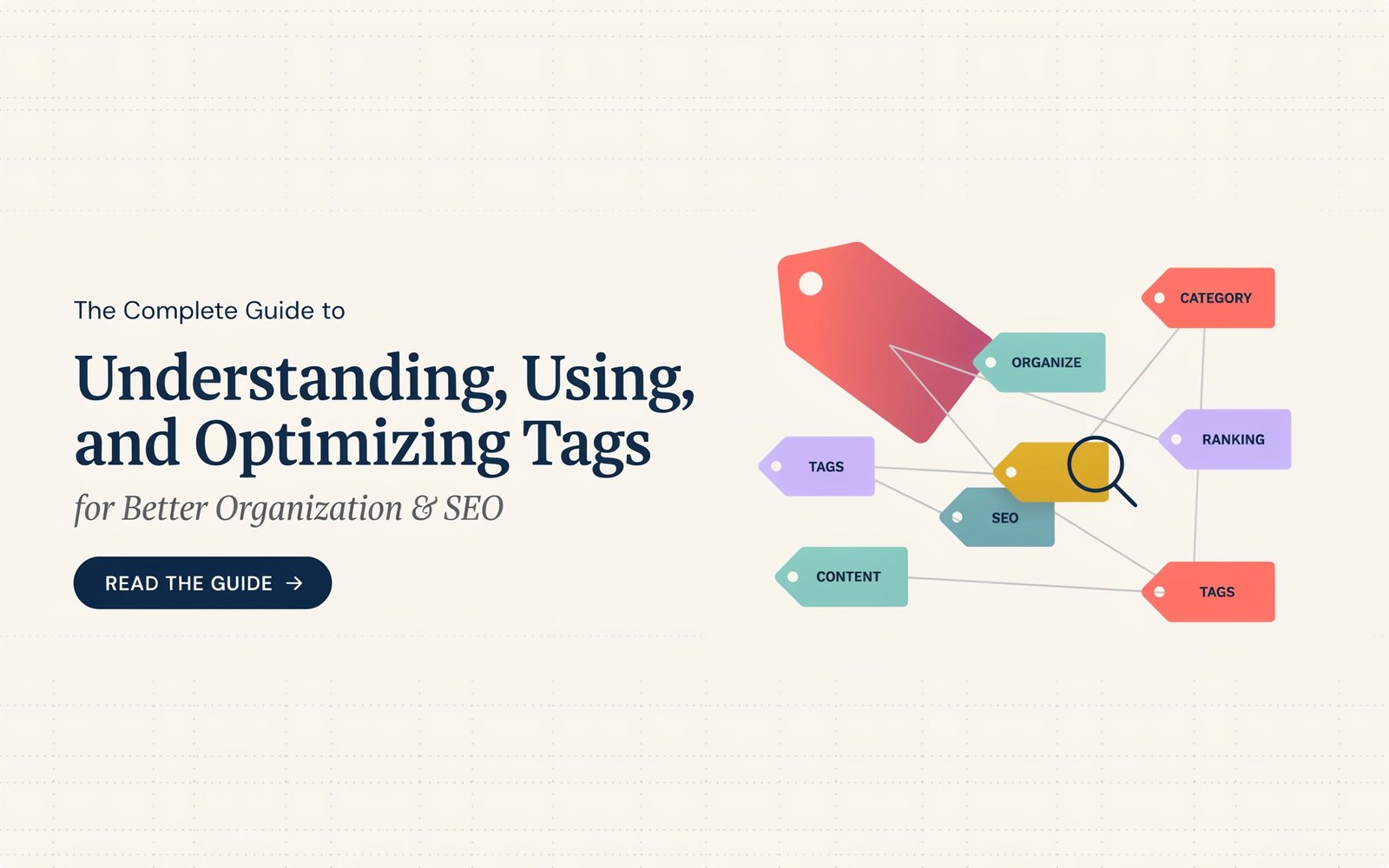
Literatica tags are descriptive keywords or labels that help organize, classify, and connect content across a website or digital platform. They allow readers to discover related articles while helping search engines understand how different pieces of content are connected. Unlike broad categories that divide content into major sections, tags are much more specific and focus on individual topics, themes, concepts, or keywords discussed within an article.
For example, if you publish an article about modern literature, your category might be “Literature,” while your tags could include “Literary Analysis,” “Classic Novels,” “Poetry,” “Book Reviews,” “Literary Theory,” and “Creative Writing.” These tags make it easier for visitors to navigate your website and explore additional content that matches their interests.
When implemented correctly, Literatica tags improve the overall user experience because readers can quickly find similar content without manually searching your website. They also create stronger relationships between articles, which can increase page views, reduce bounce rates, and encourage visitors to spend more time exploring your content.
Why Are Literatica Tags Important?
Tags play an essential role in organizing digital content. Whether you manage a personal blog, an educational website, or a large publishing platform, tags provide an extra layer of structure that helps both users and search engines.
One of the biggest advantages of Literatica tags is improved content discoverability. Instead of relying solely on categories, users can browse articles based on highly specific topics. This creates a more engaging browsing experience and increases the likelihood that visitors will continue reading multiple articles.
Search engines also benefit from well-structured tags because they provide additional context about your content. Proper tagging strengthens your website’s internal linking structure, making it easier for search engine crawlers to understand relationships between pages. Although tags alone are not a direct ranking factor, they contribute to better website architecture, which supports overall SEO performance.
In addition, tags help content creators maintain consistency across hundreds or even thousands of published articles. As a website grows, tags become invaluable for organizing information in a logical and user-friendly manner.
Benefits of Using Literatica Tags
Using Literatica tags strategically offers numerous benefits for both website owners and readers. The first major benefit is improved navigation. Readers appreciate websites where related content is only one click away. Tags create natural pathways that encourage deeper exploration of your website.
Another advantage is stronger internal linking. Tag archive pages automatically collect related articles, helping distribute authority across multiple pages. This can improve indexing and make it easier for search engines to discover new content.
Tags also improve content management. Website administrators can quickly locate articles covering specific subjects, making updates, revisions, and content planning much easier. Instead of searching through dozens of categories, editors can filter articles using relevant tags.
For educational and literary websites, Literatica tags enhance research by grouping articles around common themes, authors, literary movements, genres, historical periods, and analytical techniques. Readers looking for specialized information benefit from this organized structure.
How to Create Effective Literatica Tags
Creating effective tags requires careful planning rather than randomly assigning keywords to every article. The best tags accurately describe the primary topics discussed in the content while remaining relevant across multiple articles.
Start by identifying the core subjects covered in your article. Each tag should represent a meaningful concept rather than individual sentences or isolated words. Avoid creating dozens of nearly identical tags because this fragments your content and weakens organization.
Consistency is equally important. If one article uses the tag “Literary Criticism,” avoid using “Literature Criticism” on another unless they genuinely represent different topics. Standardizing tag names creates cleaner archives and a more professional website structure.
Limit the number of tags to those that genuinely contribute value. Most SEO professionals recommend using between five and ten highly relevant tags rather than assigning twenty or thirty loosely related keywords.
Best Practices for Optimizing Literatica Tags
Optimized tags contribute to better website performance when combined with sound SEO practices. Always use descriptive names that readers immediately understand. Generic tags like “Article,” “General,” or “Interesting” provide little value for either users or search engines.
Each tag should appear across multiple articles whenever possible. Creating a unique tag for every individual post results in thin archive pages that offer little usefulness. Instead, develop a structured tagging system that grows naturally as your content library expands.
Monitor your tag archives regularly to remove duplicates, merge similar tags, and eliminate unused labels. A clean tagging structure improves navigation and creates stronger topic clusters throughout your website.
Another important practice involves writing high-quality content for tag archive pages if your content management system allows customization. Adding introductions and descriptions to major tag pages can make them valuable landing pages capable of attracting search traffic.
Common Mistakes to Avoid
Many website owners unintentionally misuse tags by treating them like categories or stuffing every possible keyword into each article. Keyword stuffing not only creates confusion but also reduces the effectiveness of your website organization.
Another common mistake is creating too many one-time tags. If a tag only appears on one article, it usually offers little benefit and may create unnecessary archive pages with minimal content. Similarly, inconsistent spelling, singular and plural variations, or unnecessary abbreviations can produce duplicate archives that dilute your website structure.
Ignoring tag maintenance is another frequent issue. As websites grow, outdated, duplicate, and irrelevant tags accumulate unless regularly reviewed. Conducting periodic audits keeps your tagging system organized and effective.
How Literatica Tags Improve User Experience
User experience is one of the most important aspects of successful website management. Readers appreciate websites that are easy to navigate and logically organized. Literatica tags contribute directly to this goal by connecting related topics and helping users discover additional information with minimal effort.
Instead of leaving your website after reading one article, visitors can simply click a relevant tag to continue exploring similar content. This creates a smoother reading journey and often increases page views, session duration, and reader satisfaction. Educational websites, digital libraries, and literary blogs particularly benefit because readers often seek comprehensive information about interconnected topics.
An organized tagging system also reduces frustration by allowing users to locate specific subjects quickly. Whether someone is researching literary genres, famous authors, writing techniques, or book recommendations, well-designed tags make navigation significantly more efficient.
Digital
RapidIdentity: The Complete Guide to Identity and Access Management for Businesses and IT Teams (2026)

As organizations continue adopting cloud applications, hybrid work environments, and digital transformation strategies, identity security has become one of the most important aspects of modern IT infrastructure. Managing user identities, controlling access to sensitive resources, and protecting company data are no longer optional—they are essential for every business.
RapidIdentity has emerged as a leading Identity and Access Management (IAM) platform designed to help educational institutions, government agencies, healthcare organizations, and enterprises simplify user authentication while strengthening cybersecurity. It enables organizations to automate identity management, implement Single Sign-On (SSO), support Multi-Factor Authentication (MFA), and improve overall user experience without compromising security.
This complete guide explains everything businesses and IT teams need to know about RapidIdentity, including its features, benefits, architecture, security capabilities, implementation process, use cases, best practices, common challenges, and frequently asked questions. Whether you are evaluating identity management solutions or planning to deploy RapidIdentity across your organization, this guide provides detailed insights to help you make informed decisions.
What Is RapidIdentity?
RapidIdentity is a comprehensive Identity and Access Management (IAM) platform that helps organizations securely manage digital identities throughout their lifecycle. Rather than requiring administrators to manually create accounts, assign permissions, and deactivate users across dozens of systems, RapidIdentity automates these tasks through centralized identity governance. It integrates with directories, cloud services, enterprise applications, and educational systems to ensure users receive appropriate access based on their roles while reducing administrative overhead and improving security. By providing centralized authentication, password management, automated provisioning, and identity governance, RapidIdentity enables organizations to protect sensitive information while improving productivity and simplifying access for employees, students, contractors, and partners.
How RapidIdentity Works
RapidIdentity operates by connecting identity sources such as Active Directory, HR systems, student information systems, and cloud applications into a unified identity platform. Whenever a user joins the organization, changes departments, or leaves the company, RapidIdentity automatically updates accounts and permissions according to predefined policies. During login, users authenticate once using secure credentials, and the platform verifies their identity before granting access to authorized resources. Additional security layers such as Multi-Factor Authentication (MFA), adaptive authentication, and risk-based policies further strengthen protection against unauthorized access. Because identity information remains synchronized across connected applications, administrators can efficiently manage thousands of user accounts while minimizing manual intervention and security risks.
Key Features of RapidIdentity
RapidIdentity provides a broad set of capabilities that help organizations manage identities securely and efficiently. One of its most valuable features is Single Sign-On (SSO), allowing users to access multiple applications after one successful login, which reduces password fatigue and improves productivity. The platform also supports Multi-Factor Authentication, adding an additional verification step beyond passwords to enhance account protection. Automated user provisioning and deprovisioning simplify onboarding and offboarding, ensuring employees receive timely access while former users lose access immediately when they leave the organization. Self-service password reset capabilities reduce help desk workloads, while centralized identity governance enables administrators to enforce consistent access policies. RapidIdentity also includes reporting, auditing, compliance tools, role-based access control, lifecycle management, directory synchronization, application integration, and identity analytics to help organizations maintain secure and compliant environments.
Benefits of Using RapidIdentity
Organizations implementing RapidIdentity often experience significant operational and security improvements. Centralized identity management reduces administrative complexity by eliminating repetitive manual account management tasks. Employees benefit from faster and more convenient access to business applications through Single Sign-On, while Multi-Factor Authentication significantly decreases the risk of credential-based attacks. Automated identity lifecycle management minimizes human error during onboarding, transfers, and offboarding, ensuring users always have the correct permissions. Compliance efforts become easier because administrators can generate audit reports, track access changes, and demonstrate adherence to security regulations. Businesses also reduce IT support costs through self-service password management and automated workflows, allowing IT teams to focus on strategic initiatives instead of routine account maintenance.
RapidIdentity Security Features
Security is one of RapidIdentity’s strongest advantages. The platform incorporates modern authentication technologies, encryption, role-based access control, adaptive authentication, and detailed audit logging to protect organizational resources. Multi-Factor Authentication requires additional verification beyond passwords, reducing the effectiveness of phishing attacks and compromised credentials. Access policies can evaluate contextual information such as device type, user role, location, and login behavior before granting access. Detailed logging enables security teams to investigate suspicious activities, monitor authentication events, and satisfy regulatory requirements. These capabilities help organizations establish a strong zero-trust security posture while improving visibility into identity-related risks.
RapidIdentity Implementation Process
Implementing RapidIdentity begins with evaluating existing identity sources, applications, user roles, and security requirements. Organizations typically integrate directories such as Active Directory or cloud identity providers before connecting business applications through supported authentication protocols. User provisioning rules are configured to automate account creation, updates, and deactivation according to organizational policies. Security settings, including Multi-Factor Authentication, password policies, and access controls, are established before testing authentication workflows. Comprehensive testing ensures users can securely access required applications while maintaining compliance with organizational security standards. Training administrators and end users further supports successful adoption and long-term operational efficiency.
Common Use Cases
RapidIdentity serves organizations across multiple industries. Educational institutions use the platform to manage student, faculty, and staff identities while providing secure access to learning management systems, digital libraries, and campus applications. Businesses deploy RapidIdentity to simplify employee authentication, automate account provisioning, and secure cloud resources. Healthcare organizations benefit from improved access management for clinical systems while supporting regulatory compliance. Government agencies use centralized identity governance to strengthen security, manage privileged access, and improve operational efficiency across departments. These diverse use cases demonstrate the platform’s flexibility in addressing modern identity management challenges.
Best Practices for Businesses and IT Teams
Organizations should establish clear identity governance policies before implementing RapidIdentity to ensure consistent access management. Role-based access control should follow the principle of least privilege, granting users only the permissions necessary for their responsibilities. Multi-Factor Authentication should be enabled for privileged accounts and expanded across the organization whenever possible. Regular access reviews help identify unnecessary permissions and maintain compliance. Automated provisioning workflows should be monitored continuously to ensure accurate synchronization between connected systems. Security teams should review audit logs frequently, update authentication policies as organizational needs evolve, and educate users about phishing, password hygiene, and secure authentication practices. Combining these best practices with RapidIdentity’s automation capabilities creates a secure, scalable, and efficient identity management environment.
Common Challenges
Although RapidIdentity simplifies identity management, organizations may encounter challenges during deployment. Integrating legacy applications can require additional planning, particularly when older systems lack support for modern authentication protocols. Accurate identity data is essential because inconsistent directory information may affect provisioning workflows. Businesses should also invest in user training to encourage successful adoption of Single Sign-On and Multi-Factor Authentication. Thorough planning, phased implementation, and continuous monitoring help overcome these challenges while maximizing the platform’s long-term value.
Future of RapidIdentity
Identity security continues evolving as cyber threats become more sophisticated. RapidIdentity is well positioned to support future authentication requirements through automation, cloud integration, adaptive security, and identity governance innovations. As organizations increasingly adopt Zero Trust architectures, passwordless authentication, artificial intelligence, and advanced identity analytics, platforms like RapidIdentity will remain central to protecting digital assets while delivering secure and seamless user experiences.
Conclusion
RapidIdentity is much more than a login platform—it is a comprehensive Identity and Access Management solution that helps businesses and IT teams centralize identity governance, automate user lifecycle management, improve authentication security, and simplify access across cloud and on-premises applications. By combining Single Sign-On, Multi-Factor Authentication, automated provisioning, self-service password management, and detailed auditing, RapidIdentity enables organizations to strengthen cybersecurity while reducing administrative workload. Businesses investing in modern identity management can improve compliance, enhance user productivity, lower operational costs, and build a scalable security foundation for future digital transformation initiatives.
Frequently Asked Questions (FAQs)
1. What is RapidIdentity?
RapidIdentity is an Identity and Access Management (IAM) platform that helps organizations securely manage user identities, authentication, authorization, and access to applications.
2. What industries use RapidIdentity?
RapidIdentity is widely used by educational institutions, government agencies, healthcare organizations, and enterprises that require secure identity management.
3. Does RapidIdentity support Single Sign-On?
Yes. RapidIdentity supports Single Sign-On (SSO), allowing users to access multiple applications using one secure login.
4. Does RapidIdentity offer Multi-Factor Authentication?
Yes. It includes Multi-Factor Authentication (MFA) to improve account security and reduce the risk of unauthorized access.
5. Why is RapidIdentity important for businesses?
It improves security, automates user lifecycle management, simplifies authentication, reduces IT administration, strengthens compliance, and enhances productivity.
6. Is RapidIdentity suitable for cloud environments?
Yes. RapidIdentity integrates with many cloud applications and supports hybrid IT environments.
7. Can RapidIdentity automate user provisioning?
Yes. It automatically creates, updates, and removes user accounts based on organizational policies and lifecycle events.
8. What are the main benefits of RapidIdentity?
The major benefits include centralized identity management, stronger security, Single Sign-On, Multi-Factor Authentication, automated provisioning, compliance support, self-service password reset, and improved user experience.


The internet publishes millions of new web pages, blog posts, news articles, videos, and discussions every single day. Keeping track of information that matters to you can quickly become overwhelming, especially if you are a business owner, marketer, journalist, student, researcher, or simply someone who wants to stay informed. Searching Google repeatedly throughout the day is not only time-consuming but also inefficient because you might miss important updates before you remember to search again. This is exactly where Google Alert becomes one of the most useful free tools available.
Google Alert is a free monitoring service provided by Google that automatically sends notifications whenever new content matching your selected keywords appears on the web. Instead of manually checking Google every day, you simply create an alert for a keyword, and Google does the work for you. Whether you want to follow breaking news, monitor your business reputation, keep an eye on competitors, track your name online, discover new blog posts in your industry, or receive updates about your favorite topics, Google Alert saves time while ensuring you never miss valuable information. In this comprehensive guide, you will learn exactly what Google Alert is, how it works, its major features, benefits, limitations, and best practices for getting the most value from this powerful free tool.
What Is Google Alert?
Google Alert is a free notification service that continuously scans Google’s search index for newly published content matching specific keywords chosen by the user. Whenever Google discovers fresh content related to those keywords, it sends an email notification or updates your alerts feed depending on your settings. Instead of performing manual searches multiple times each day, Google Alert automatically delivers relevant results directly to you, making it an excellent solution for staying informed without wasting valuable time. Because Google indexes websites from around the world, users receive alerts from a wide variety of sources including news websites, blogs, discussion forums, educational websites, and other publicly available online content.
How Does Google Alert Work?
Google Alert works by monitoring Google’s constantly updated search index. After you enter a keyword or phrase, Google continuously searches for new web pages containing that term. When matching content is discovered, the system sends you an alert based on the delivery preferences you selected. Users can choose how frequently alerts arrive, select specific content types such as news or blogs, choose their preferred language and region, and even limit results to only the highest-quality sources. This automation allows users to receive relevant updates without spending hours searching manually, making it an efficient research and monitoring tool for both personal and professional use.
Key Features of Google Alert
Google Alert offers several valuable features that make monitoring online information simple and effective. Users can create multiple alerts for different keywords, customize how often notifications are delivered, select the language and geographic region for results, filter alerts by content type, and receive updates through email. These customization options ensure that users receive information that is both relevant and timely, reducing unnecessary notifications while improving the quality of the updates they receive. Because the service integrates seamlessly with Google’s search technology, it remains one of the easiest monitoring tools available for beginners.
Benefits of Using Google Alert
One of the biggest advantages of Google Alert is automation. Instead of repeatedly searching for updates, Google performs the monitoring on your behalf and delivers relevant results automatically. Businesses can monitor brand mentions to protect their online reputation, marketers can follow industry trends, bloggers can discover fresh content ideas, journalists can track breaking news, researchers can stay updated with the latest information, and job seekers can receive notifications about opportunities in their chosen fields. Since the service is completely free, it provides exceptional value for individuals and organizations looking to save time while staying informed about topics that matter most.
How to Set Up Google Alert
Creating a Google Alert is straightforward. Visit the Google Alerts website while signed in to your Google account. Enter the keyword or phrase you want to monitor into the search box, review the preview results that Google displays, and then customize the alert settings according to your preferences. You can specify how often alerts should arrive, which content sources to include, your preferred language, geographic region, and whether to receive all results or only the highest-quality matches. Once you click the Create Alert button, Google begins monitoring the web for new content related to your chosen keyword and sends updates automatically whenever relevant information is found.
Best Ways to Use Google Alert
Google Alert is extremely versatile and can be used in many different situations. Businesses frequently monitor their company name to identify customer reviews and news mentions. Marketing professionals track competitor names to observe new campaigns and product launches. Content creators monitor industry keywords to discover trending topics and inspiration for future articles. Researchers use alerts to stay informed about developments in specialized fields, while individuals often create alerts for their own names to monitor their online presence. These practical applications make Google Alert useful across nearly every profession.
Tips for Getting Better Google Alert Results
To improve the quality of your alerts, choose highly specific keywords instead of broad terms. Using quotation marks around exact phrases can help reduce irrelevant matches, while combining keywords with locations or industries often produces more targeted results. Review your alerts regularly and refine them whenever you notice irrelevant notifications. Creating multiple focused alerts is generally more effective than relying on a single broad keyword because it provides greater control over the information you receive and increases the likelihood of discovering valuable content.
Limitations of Google Alert
Although Google Alert is a powerful free service, it is not perfect. Not every web page appears immediately in Google’s index, meaning some updates may arrive later than expected. Certain social media posts, private websites, and restricted online communities are not included in Google Alerts. The quality of results can also vary depending on the keywords selected, and users may occasionally receive duplicate or less relevant notifications. Despite these limitations, Google Alert remains one of the most accessible and valuable free monitoring tools available.
Best Practices for Using Google Alert
For the best experience, review and update your alerts periodically to ensure they remain relevant as your interests or business needs evolve. Organize alerts by category, remove outdated keywords, and create separate alerts for different projects rather than combining unrelated topics into one. Monitoring competitor names, industry trends, customer feedback, and your own brand simultaneously can provide valuable insights while helping you stay informed without investing significant time in manual research.
Conclusion
Google Alert is one of the simplest yet most effective free tools for monitoring the web. It enables users to receive automatic updates about news, businesses, competitors, personal names, research topics, and virtually any keyword of interest without repeatedly searching Google. Its ease of use, flexible customization options, and automated notifications make it an excellent solution for beginners as well as experienced professionals. Whether your goal is protecting your online reputation, discovering new content ideas, following industry developments, or simply staying informed, Google Alert provides a reliable and efficient way to keep up with the constantly changing information available on the internet. By creating well-targeted alerts and refining them over time, users can transform Google Alert into a powerful assistant for research, marketing, education, and everyday information gathering.
Frequently Asked Questions (FAQs)
1. What is Google Alert?
Google Alert is a free Google service that sends notifications whenever new online content matches keywords you choose.
2. Is Google Alert free?
Yes. Google Alert is completely free and only requires a Google account.
3. Who should use Google Alert?
Business owners, marketers, bloggers, journalists, researchers, students, job seekers, and anyone interested in monitoring online information can benefit from Google Alert.
4. How often does Google Alert send notifications?
Users can choose to receive alerts as they happen, once a day, or once a week.
5. Can Google Alert monitor my business name?
Yes. Many businesses use Google Alert to monitor brand mentions, customer reviews, news stories, and online discussions related to their company.
6. Does Google Alert monitor social media?
Google Alert mainly monitors content indexed by Google Search. It does not comprehensively track all social media platforms or private content.
7. Can I create multiple Google Alerts?
Yes. You can create multiple alerts for different keywords and manage them independently.
8. Why is Google Alert useful for SEO?
SEO professionals use Google Alert to monitor backlinks, discover content opportunities, follow competitors, identify industry trends, and stay updated on topics relevant to their websites.

Dan Cogdell: Career, Background, Legal Work, and What to Know

2025 BMW 3 Series: Complete Guide to Price, Specs, Features, and Performance

Karrueche Tran Naked Search: Understanding Online Privacy and Celebrity Rumors

The Complete Guide to Features, Benefits, Trading Tools, and Market Analysis

CDiPhone: Complete Guide, Features, Benefits, Review & Buying Tips (2026)

The Complete Guide to Understanding, Using, and Optimizing Tags for Better Organization and SEO
 Technology3 months ago
The Complete Guide to Features, Benefits, Trading Tools, and Market Analysis
- Technology3 months ago
CDiPhone: Complete Guide, Features, Benefits, Review & Buying Tips (2026)
- Entertainment3 months ago
What Is Satta Marking? Complete Guide for Beginners
- Tech3 months ago
DX Flash: Complete Guide to Features, Uses, Installation, Benefits, and Troubleshooting
- Celebrity3 months ago
Trump Tees It Up With Hall of Fame: Complete Story, Event Highlights, and Why It Matters
- Entertainment3 months ago
MMA Stream Reddit: 9 Powerful Legal Ways to Watch Fights Online
- Lifestyle3 months ago
B&Q Altrincham: Complete Store Guide, Products, Services, Opening Hours & Shopping Tips
- Business2 months ago
Aldi New US Store Format: Everything You Need to Know About Aldi’s Modern Shopping Experience