Digital
Social Articles TXEPC: The Complete Guide to Understanding Its Purpose, Benefits, and Best Practices


In today’s digital landscape, producing valuable, engaging, and search-engine-friendly content has become one of the most effective ways to establish authority online. Businesses, bloggers, marketers, educators, and organizations all depend on high-quality content to attract readers, improve search rankings, and build lasting relationships with their audiences. Among the many concepts discussed in modern digital publishing, Social Articles TXEPC has emerged as a topic of growing interest. Whether you have recently encountered the term or are actively researching it, understanding its purpose and applications can help you create stronger content strategies and improve your online presence.
Social Articles TXEPC represents an approach to creating informative, shareable, and user-focused articles that combine quality writing with search engine optimization and audience engagement. Rather than focusing solely on rankings, this approach emphasizes delivering meaningful information that readers genuinely find useful. Well-written social articles encourage discussions, generate shares across social media platforms, improve website authority, and increase organic traffic over time. This comprehensive guide explores Social Articles TXEPC in detail, including its meaning, benefits, essential features, best practices, challenges, and future trends.
What Is Social Articles TXEPC?
Social Articles TXEPC refers to an approach to developing digital content that prioritizes reader value while incorporating effective SEO principles and social engagement strategies. The concept focuses on producing articles that answer users’ questions, encourage interaction, and remain informative long after publication. Instead of relying on keyword stuffing or low-quality content, Social Articles TXEPC encourages thoughtful research, clear organization, and practical insights that satisfy both readers and search engines.
The primary objective is to publish articles that solve problems, educate audiences, and inspire conversations. When readers discover genuinely helpful information, they are more likely to spend time on the page, share the article with others, and return for future content. These positive user signals often contribute to stronger long-term search visibility.
Why Social Articles TXEPC Matters
Modern search engines reward websites that consistently provide trustworthy, relevant, and comprehensive content. Users no longer seek superficial answers; they expect detailed explanations, practical examples, and accurate information. Social Articles TXEPC supports these expectations by emphasizing depth, clarity, and usefulness.
Organizations implementing this approach often experience improved audience trust, stronger brand recognition, increased website traffic, and higher engagement across digital platforms. Because valuable content continues attracting visitors months or even years after publication, it becomes a long-term digital asset instead of a short-lived marketing campaign.
Key Features of Social Articles TXEPC
Several characteristics distinguish Social Articles TXEPC from ordinary online articles. One of the most important is comprehensive research. Every article should present reliable information supported by credible sources whenever appropriate. Accuracy builds confidence and encourages readers to rely on the website for future information.
Another essential feature is readability. Articles should use descriptive headings, logical structure, smooth transitions, and detailed explanations that make even complex topics easy to understand. Long-form content generally performs better because it covers subjects thoroughly rather than providing incomplete answers.
SEO optimization also plays a significant role. Keywords should appear naturally throughout the article, including the title, headings, introduction, conclusion, and metadata, without making the writing feel repetitive. Internal linking, descriptive images, optimized page speed, and mobile responsiveness further enhance overall performance.
Finally, social engagement is an important element. Content should encourage readers to comment, share opinions, ask questions, and distribute valuable information across social media platforms. This interaction extends the article’s reach while strengthening audience relationships.
Benefits of Using Social Articles TXEPC
Implementing the Social Articles TXEPC approach offers numerous advantages for businesses and content creators. One significant benefit is increased organic search visibility. Search engines favor comprehensive, user-focused articles that satisfy search intent, making them more likely to rank well over time.
Another advantage is improved audience engagement. Readers who find detailed, informative content are more likely to remain on the website longer, explore additional pages, and share articles with friends or colleagues. These behaviors contribute to stronger website authority and improved brand recognition.
Long-form articles also establish expertise. Demonstrating a deep understanding of a topic positions an author or organization as a reliable source of information. This credibility supports customer trust and encourages repeat visits.
Additionally, evergreen content continues delivering value well into the future. Unlike short promotional posts that quickly become outdated, comprehensive educational articles remain relevant for extended periods with occasional updates.
Best Practices for Creating Social Articles TXEPC
Creating successful Social Articles TXEPC content begins with understanding your target audience. Writers should identify readers’ questions, challenges, and goals before planning article topics. This audience-first mindset ensures that every section contributes meaningful value.
Keyword research should guide topic selection without dominating the writing process. Primary keywords belong naturally in strategic locations, while related terms enrich context and improve topical relevance. Overusing keywords should always be avoided because it negatively affects readability and user experience.
Content should be organized with descriptive headings, informative subheadings, and logical progression from one topic to the next. Examples, practical recommendations, and real-world applications help readers understand concepts more effectively.
Regular updates are equally important. Revising older articles with fresh information, improved formatting, and current statistics helps maintain search visibility while ensuring continued relevance.
Common Challenges
Although Social Articles TXEPC offers many benefits, content creators may encounter several challenges. Producing high-quality long-form content requires considerable time for research, planning, writing, editing, and optimization. Maintaining consistency across multiple articles can also become difficult without a structured editorial process.
Another challenge involves balancing SEO with readability. Articles should never feel written exclusively for search engines. Instead, optimization should support excellent user experiences rather than replace them. Writers must also stay informed about changing search engine algorithms and evolving user expectations.
Future of Social Articles TXEPC
The future of Social Articles TXEPC aligns closely with broader developments in digital publishing. Artificial intelligence, semantic search, voice search, and personalized content recommendations continue influencing how users discover information online. As search engines become increasingly sophisticated, they prioritize helpful, authoritative, and trustworthy content over pages designed primarily to manipulate rankings.
Future content strategies will likely place even greater emphasis on expertise, user satisfaction, multimedia integration, accessibility, and comprehensive topic coverage. Organizations that consistently invest in quality writing and audience-focused publishing will remain well positioned for long-term success.
Final Thoughts
Social Articles TXEPC represents far more than a simple SEO technique. It encourages a balanced approach where valuable information, user experience, search optimization, and audience engagement work together to create lasting online success. Websites that consistently publish informative, trustworthy, and comprehensive articles are more likely to earn higher search rankings, stronger audience loyalty, and sustainable organic traffic. Rather than chasing temporary ranking tactics, focusing on quality content establishes a solid foundation for continued growth in an increasingly competitive digital environment.
Frequently Asked Questions (FAQs)
1. What is Social Articles TXEPC?
Social Articles TXEPC is a content creation approach that emphasizes high-quality, informative, SEO-friendly, and socially engaging articles designed to provide genuine value to readers.
2. Why is Social Articles TXEPC important?
It helps improve search engine visibility, increases audience engagement, builds authority, and creates long-term organic traffic through valuable content.
3. Is Social Articles TXEPC only for businesses?
No. Bloggers, educators, nonprofit organizations, publishers, freelancers, and businesses can all benefit from applying its principles.
4. How does Social Articles TXEPC support SEO?
It encourages natural keyword usage, comprehensive topic coverage, excellent readability, proper content structure, and user-focused writing, all of which contribute to improved search performance.
5. Can beginners create Social Articles TXEPC content?
Yes. By focusing on research, audience needs, clear writing, and consistent optimization, beginners can successfully create effective Social Articles TXEPC articles.
6. What is the ideal length for a Social Articles TXEPC article?
While quality matters more than word count, comprehensive articles of approximately 2,000 to 3,500 words often perform well because they thoroughly answer readers’ questions and cover topics in depth.
Digital
RapidIdentity: The Complete Guide to Identity and Access Management for Businesses and IT Teams (2026)

As organizations continue adopting cloud applications, hybrid work environments, and digital transformation strategies, identity security has become one of the most important aspects of modern IT infrastructure. Managing user identities, controlling access to sensitive resources, and protecting company data are no longer optional—they are essential for every business.
RapidIdentity has emerged as a leading Identity and Access Management (IAM) platform designed to help educational institutions, government agencies, healthcare organizations, and enterprises simplify user authentication while strengthening cybersecurity. It enables organizations to automate identity management, implement Single Sign-On (SSO), support Multi-Factor Authentication (MFA), and improve overall user experience without compromising security.
This complete guide explains everything businesses and IT teams need to know about RapidIdentity, including its features, benefits, architecture, security capabilities, implementation process, use cases, best practices, common challenges, and frequently asked questions. Whether you are evaluating identity management solutions or planning to deploy RapidIdentity across your organization, this guide provides detailed insights to help you make informed decisions.
What Is RapidIdentity?
RapidIdentity is a comprehensive Identity and Access Management (IAM) platform that helps organizations securely manage digital identities throughout their lifecycle. Rather than requiring administrators to manually create accounts, assign permissions, and deactivate users across dozens of systems, RapidIdentity automates these tasks through centralized identity governance. It integrates with directories, cloud services, enterprise applications, and educational systems to ensure users receive appropriate access based on their roles while reducing administrative overhead and improving security. By providing centralized authentication, password management, automated provisioning, and identity governance, RapidIdentity enables organizations to protect sensitive information while improving productivity and simplifying access for employees, students, contractors, and partners.
How RapidIdentity Works
RapidIdentity operates by connecting identity sources such as Active Directory, HR systems, student information systems, and cloud applications into a unified identity platform. Whenever a user joins the organization, changes departments, or leaves the company, RapidIdentity automatically updates accounts and permissions according to predefined policies. During login, users authenticate once using secure credentials, and the platform verifies their identity before granting access to authorized resources. Additional security layers such as Multi-Factor Authentication (MFA), adaptive authentication, and risk-based policies further strengthen protection against unauthorized access. Because identity information remains synchronized across connected applications, administrators can efficiently manage thousands of user accounts while minimizing manual intervention and security risks.
Key Features of RapidIdentity
RapidIdentity provides a broad set of capabilities that help organizations manage identities securely and efficiently. One of its most valuable features is Single Sign-On (SSO), allowing users to access multiple applications after one successful login, which reduces password fatigue and improves productivity. The platform also supports Multi-Factor Authentication, adding an additional verification step beyond passwords to enhance account protection. Automated user provisioning and deprovisioning simplify onboarding and offboarding, ensuring employees receive timely access while former users lose access immediately when they leave the organization. Self-service password reset capabilities reduce help desk workloads, while centralized identity governance enables administrators to enforce consistent access policies. RapidIdentity also includes reporting, auditing, compliance tools, role-based access control, lifecycle management, directory synchronization, application integration, and identity analytics to help organizations maintain secure and compliant environments.
Benefits of Using RapidIdentity
Organizations implementing RapidIdentity often experience significant operational and security improvements. Centralized identity management reduces administrative complexity by eliminating repetitive manual account management tasks. Employees benefit from faster and more convenient access to business applications through Single Sign-On, while Multi-Factor Authentication significantly decreases the risk of credential-based attacks. Automated identity lifecycle management minimizes human error during onboarding, transfers, and offboarding, ensuring users always have the correct permissions. Compliance efforts become easier because administrators can generate audit reports, track access changes, and demonstrate adherence to security regulations. Businesses also reduce IT support costs through self-service password management and automated workflows, allowing IT teams to focus on strategic initiatives instead of routine account maintenance.
RapidIdentity Security Features
Security is one of RapidIdentity’s strongest advantages. The platform incorporates modern authentication technologies, encryption, role-based access control, adaptive authentication, and detailed audit logging to protect organizational resources. Multi-Factor Authentication requires additional verification beyond passwords, reducing the effectiveness of phishing attacks and compromised credentials. Access policies can evaluate contextual information such as device type, user role, location, and login behavior before granting access. Detailed logging enables security teams to investigate suspicious activities, monitor authentication events, and satisfy regulatory requirements. These capabilities help organizations establish a strong zero-trust security posture while improving visibility into identity-related risks.
RapidIdentity Implementation Process
Implementing RapidIdentity begins with evaluating existing identity sources, applications, user roles, and security requirements. Organizations typically integrate directories such as Active Directory or cloud identity providers before connecting business applications through supported authentication protocols. User provisioning rules are configured to automate account creation, updates, and deactivation according to organizational policies. Security settings, including Multi-Factor Authentication, password policies, and access controls, are established before testing authentication workflows. Comprehensive testing ensures users can securely access required applications while maintaining compliance with organizational security standards. Training administrators and end users further supports successful adoption and long-term operational efficiency.
Common Use Cases
RapidIdentity serves organizations across multiple industries. Educational institutions use the platform to manage student, faculty, and staff identities while providing secure access to learning management systems, digital libraries, and campus applications. Businesses deploy RapidIdentity to simplify employee authentication, automate account provisioning, and secure cloud resources. Healthcare organizations benefit from improved access management for clinical systems while supporting regulatory compliance. Government agencies use centralized identity governance to strengthen security, manage privileged access, and improve operational efficiency across departments. These diverse use cases demonstrate the platform’s flexibility in addressing modern identity management challenges.
Best Practices for Businesses and IT Teams
Organizations should establish clear identity governance policies before implementing RapidIdentity to ensure consistent access management. Role-based access control should follow the principle of least privilege, granting users only the permissions necessary for their responsibilities. Multi-Factor Authentication should be enabled for privileged accounts and expanded across the organization whenever possible. Regular access reviews help identify unnecessary permissions and maintain compliance. Automated provisioning workflows should be monitored continuously to ensure accurate synchronization between connected systems. Security teams should review audit logs frequently, update authentication policies as organizational needs evolve, and educate users about phishing, password hygiene, and secure authentication practices. Combining these best practices with RapidIdentity’s automation capabilities creates a secure, scalable, and efficient identity management environment.
Common Challenges
Although RapidIdentity simplifies identity management, organizations may encounter challenges during deployment. Integrating legacy applications can require additional planning, particularly when older systems lack support for modern authentication protocols. Accurate identity data is essential because inconsistent directory information may affect provisioning workflows. Businesses should also invest in user training to encourage successful adoption of Single Sign-On and Multi-Factor Authentication. Thorough planning, phased implementation, and continuous monitoring help overcome these challenges while maximizing the platform’s long-term value.
Future of RapidIdentity
Identity security continues evolving as cyber threats become more sophisticated. RapidIdentity is well positioned to support future authentication requirements through automation, cloud integration, adaptive security, and identity governance innovations. As organizations increasingly adopt Zero Trust architectures, passwordless authentication, artificial intelligence, and advanced identity analytics, platforms like RapidIdentity will remain central to protecting digital assets while delivering secure and seamless user experiences.
Conclusion
RapidIdentity is much more than a login platform—it is a comprehensive Identity and Access Management solution that helps businesses and IT teams centralize identity governance, automate user lifecycle management, improve authentication security, and simplify access across cloud and on-premises applications. By combining Single Sign-On, Multi-Factor Authentication, automated provisioning, self-service password management, and detailed auditing, RapidIdentity enables organizations to strengthen cybersecurity while reducing administrative workload. Businesses investing in modern identity management can improve compliance, enhance user productivity, lower operational costs, and build a scalable security foundation for future digital transformation initiatives.
Frequently Asked Questions (FAQs)
1. What is RapidIdentity?
RapidIdentity is an Identity and Access Management (IAM) platform that helps organizations securely manage user identities, authentication, authorization, and access to applications.
2. What industries use RapidIdentity?
RapidIdentity is widely used by educational institutions, government agencies, healthcare organizations, and enterprises that require secure identity management.
3. Does RapidIdentity support Single Sign-On?
Yes. RapidIdentity supports Single Sign-On (SSO), allowing users to access multiple applications using one secure login.
4. Does RapidIdentity offer Multi-Factor Authentication?
Yes. It includes Multi-Factor Authentication (MFA) to improve account security and reduce the risk of unauthorized access.
5. Why is RapidIdentity important for businesses?
It improves security, automates user lifecycle management, simplifies authentication, reduces IT administration, strengthens compliance, and enhances productivity.
6. Is RapidIdentity suitable for cloud environments?
Yes. RapidIdentity integrates with many cloud applications and supports hybrid IT environments.
7. Can RapidIdentity automate user provisioning?
Yes. It automatically creates, updates, and removes user accounts based on organizational policies and lifecycle events.
8. What are the main benefits of RapidIdentity?
The major benefits include centralized identity management, stronger security, Single Sign-On, Multi-Factor Authentication, automated provisioning, compliance support, self-service password reset, and improved user experience.


The internet publishes millions of new web pages, blog posts, news articles, videos, and discussions every single day. Keeping track of information that matters to you can quickly become overwhelming, especially if you are a business owner, marketer, journalist, student, researcher, or simply someone who wants to stay informed. Searching Google repeatedly throughout the day is not only time-consuming but also inefficient because you might miss important updates before you remember to search again. This is exactly where Google Alert becomes one of the most useful free tools available.
Google Alert is a free monitoring service provided by Google that automatically sends notifications whenever new content matching your selected keywords appears on the web. Instead of manually checking Google every day, you simply create an alert for a keyword, and Google does the work for you. Whether you want to follow breaking news, monitor your business reputation, keep an eye on competitors, track your name online, discover new blog posts in your industry, or receive updates about your favorite topics, Google Alert saves time while ensuring you never miss valuable information. In this comprehensive guide, you will learn exactly what Google Alert is, how it works, its major features, benefits, limitations, and best practices for getting the most value from this powerful free tool.
What Is Google Alert?
Google Alert is a free notification service that continuously scans Google’s search index for newly published content matching specific keywords chosen by the user. Whenever Google discovers fresh content related to those keywords, it sends an email notification or updates your alerts feed depending on your settings. Instead of performing manual searches multiple times each day, Google Alert automatically delivers relevant results directly to you, making it an excellent solution for staying informed without wasting valuable time. Because Google indexes websites from around the world, users receive alerts from a wide variety of sources including news websites, blogs, discussion forums, educational websites, and other publicly available online content.
How Does Google Alert Work?
Google Alert works by monitoring Google’s constantly updated search index. After you enter a keyword or phrase, Google continuously searches for new web pages containing that term. When matching content is discovered, the system sends you an alert based on the delivery preferences you selected. Users can choose how frequently alerts arrive, select specific content types such as news or blogs, choose their preferred language and region, and even limit results to only the highest-quality sources. This automation allows users to receive relevant updates without spending hours searching manually, making it an efficient research and monitoring tool for both personal and professional use.
Key Features of Google Alert
Google Alert offers several valuable features that make monitoring online information simple and effective. Users can create multiple alerts for different keywords, customize how often notifications are delivered, select the language and geographic region for results, filter alerts by content type, and receive updates through email. These customization options ensure that users receive information that is both relevant and timely, reducing unnecessary notifications while improving the quality of the updates they receive. Because the service integrates seamlessly with Google’s search technology, it remains one of the easiest monitoring tools available for beginners.
Benefits of Using Google Alert
One of the biggest advantages of Google Alert is automation. Instead of repeatedly searching for updates, Google performs the monitoring on your behalf and delivers relevant results automatically. Businesses can monitor brand mentions to protect their online reputation, marketers can follow industry trends, bloggers can discover fresh content ideas, journalists can track breaking news, researchers can stay updated with the latest information, and job seekers can receive notifications about opportunities in their chosen fields. Since the service is completely free, it provides exceptional value for individuals and organizations looking to save time while staying informed about topics that matter most.
How to Set Up Google Alert
Creating a Google Alert is straightforward. Visit the Google Alerts website while signed in to your Google account. Enter the keyword or phrase you want to monitor into the search box, review the preview results that Google displays, and then customize the alert settings according to your preferences. You can specify how often alerts should arrive, which content sources to include, your preferred language, geographic region, and whether to receive all results or only the highest-quality matches. Once you click the Create Alert button, Google begins monitoring the web for new content related to your chosen keyword and sends updates automatically whenever relevant information is found.
Best Ways to Use Google Alert
Google Alert is extremely versatile and can be used in many different situations. Businesses frequently monitor their company name to identify customer reviews and news mentions. Marketing professionals track competitor names to observe new campaigns and product launches. Content creators monitor industry keywords to discover trending topics and inspiration for future articles. Researchers use alerts to stay informed about developments in specialized fields, while individuals often create alerts for their own names to monitor their online presence. These practical applications make Google Alert useful across nearly every profession.
Tips for Getting Better Google Alert Results
To improve the quality of your alerts, choose highly specific keywords instead of broad terms. Using quotation marks around exact phrases can help reduce irrelevant matches, while combining keywords with locations or industries often produces more targeted results. Review your alerts regularly and refine them whenever you notice irrelevant notifications. Creating multiple focused alerts is generally more effective than relying on a single broad keyword because it provides greater control over the information you receive and increases the likelihood of discovering valuable content.
Limitations of Google Alert
Although Google Alert is a powerful free service, it is not perfect. Not every web page appears immediately in Google’s index, meaning some updates may arrive later than expected. Certain social media posts, private websites, and restricted online communities are not included in Google Alerts. The quality of results can also vary depending on the keywords selected, and users may occasionally receive duplicate or less relevant notifications. Despite these limitations, Google Alert remains one of the most accessible and valuable free monitoring tools available.
Best Practices for Using Google Alert
For the best experience, review and update your alerts periodically to ensure they remain relevant as your interests or business needs evolve. Organize alerts by category, remove outdated keywords, and create separate alerts for different projects rather than combining unrelated topics into one. Monitoring competitor names, industry trends, customer feedback, and your own brand simultaneously can provide valuable insights while helping you stay informed without investing significant time in manual research.
Conclusion
Google Alert is one of the simplest yet most effective free tools for monitoring the web. It enables users to receive automatic updates about news, businesses, competitors, personal names, research topics, and virtually any keyword of interest without repeatedly searching Google. Its ease of use, flexible customization options, and automated notifications make it an excellent solution for beginners as well as experienced professionals. Whether your goal is protecting your online reputation, discovering new content ideas, following industry developments, or simply staying informed, Google Alert provides a reliable and efficient way to keep up with the constantly changing information available on the internet. By creating well-targeted alerts and refining them over time, users can transform Google Alert into a powerful assistant for research, marketing, education, and everyday information gathering.
Frequently Asked Questions (FAQs)
1. What is Google Alert?
Google Alert is a free Google service that sends notifications whenever new online content matches keywords you choose.
2. Is Google Alert free?
Yes. Google Alert is completely free and only requires a Google account.
3. Who should use Google Alert?
Business owners, marketers, bloggers, journalists, researchers, students, job seekers, and anyone interested in monitoring online information can benefit from Google Alert.
4. How often does Google Alert send notifications?
Users can choose to receive alerts as they happen, once a day, or once a week.
5. Can Google Alert monitor my business name?
Yes. Many businesses use Google Alert to monitor brand mentions, customer reviews, news stories, and online discussions related to their company.
6. Does Google Alert monitor social media?
Google Alert mainly monitors content indexed by Google Search. It does not comprehensively track all social media platforms or private content.
7. Can I create multiple Google Alerts?
Yes. You can create multiple alerts for different keywords and manage them independently.
8. Why is Google Alert useful for SEO?
SEO professionals use Google Alert to monitor backlinks, discover content opportunities, follow competitors, identify industry trends, and stay updated on topics relevant to their websites.

Dan Cogdell: Career, Background, Legal Work, and What to Know

2025 BMW 3 Series: Complete Guide to Price, Specs, Features, and Performance

Karrueche Tran Naked Search: Understanding Online Privacy and Celebrity Rumors

The Complete Guide to Features, Benefits, Trading Tools, and Market Analysis

CDiPhone: Complete Guide, Features, Benefits, Review & Buying Tips (2026)

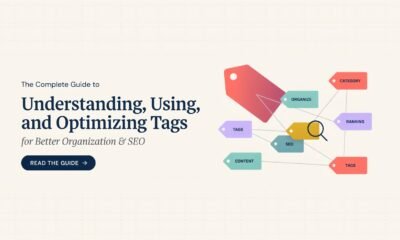
The Complete Guide to Understanding, Using, and Optimizing Tags for Better Organization and SEO
 Technology3 months ago
The Complete Guide to Features, Benefits, Trading Tools, and Market Analysis
- Technology3 months ago
CDiPhone: Complete Guide, Features, Benefits, Review & Buying Tips (2026)
- Digital3 months ago
The Complete Guide to Understanding, Using, and Optimizing Tags for Better Organization and SEO
- Entertainment3 months ago
What Is Satta Marking? Complete Guide for Beginners
- Tech3 months ago
DX Flash: Complete Guide to Features, Uses, Installation, Benefits, and Troubleshooting
- Celebrity3 months ago
Trump Tees It Up With Hall of Fame: Complete Story, Event Highlights, and Why It Matters
- Entertainment3 months ago
MMA Stream Reddit: 9 Powerful Legal Ways to Watch Fights Online
- Lifestyle3 months ago
B&Q Altrincham: Complete Store Guide, Products, Services, Opening Hours & Shopping Tips