
Lifestyle
How to Remove Candle Wax: The Ultimate Step-by-Step Guide

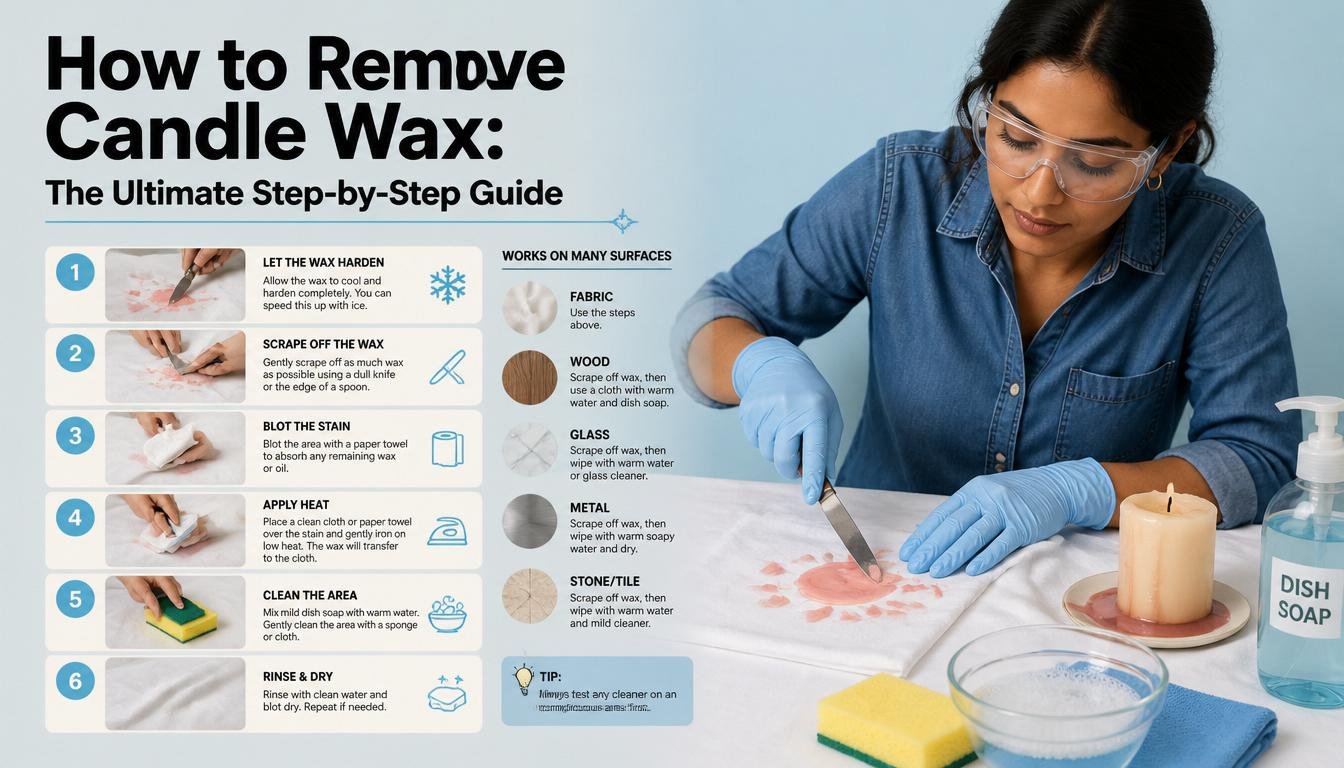
Candlelight creates a warm and relaxing atmosphere, whether you’re enjoying a cozy evening, celebrating a special occasion, or simply adding fragrance to your home. However, accidents happen, and spilled candle wax can quickly become a frustrating mess on clothing, carpets, furniture, wood, glass, and other household surfaces. Many people assume that removing hardened wax is difficult, but with the right techniques, you can restore almost any surface without causing damage.
Learning how to remove candle wax correctly is important because every material requires a slightly different cleaning method. Using excessive force or the wrong cleaning products can scratch delicate surfaces, damage fabrics, or leave behind stubborn stains. Fortunately, simple household items such as ice cubes, paper towels, hair dryers, irons, rubbing alcohol, and dish soap can make the process much easier.
In this comprehensive guide, you’ll discover proven candle wax removal methods for various surfaces, expert cleaning tips, common mistakes to avoid, and answers to frequently asked questions so you can confidently tackle any wax spill.
Why Candle Wax Is Difficult to Remove
Candle wax changes from liquid to solid very quickly. Once it cools, it hardens and bonds to the surface. Colored and scented candles may also contain dyes and oils that leave stains even after the wax itself has been removed. That’s why effective cleaning usually involves two separate steps: removing the hardened wax first and then treating any leftover residue or discoloration.
Understanding this process helps you choose the safest and most effective cleaning method based on the type of surface you’re working with.
General Steps for Removing Candle Wax
Regardless of where the wax has spilled, these basic steps work for most situations:
- Allow the wax to cool completely.
- Gently scrape away excess wax using a plastic card or dull knife.
- Apply heat or cold depending on the material.
- Wipe away the remaining wax.
- Clean any oily residue or stains.
Avoid rushing the process because removing hot wax often spreads it further into the material.
How to Remove Candle Wax from Clothes
Clothing is one of the most common places where candle wax accidentally lands. The good news is that most fabrics can be cleaned successfully if treated correctly.
Start by allowing the wax to harden completely. Placing the garment in the freezer for about thirty minutes makes the wax even more brittle. Carefully scrape off as much hardened wax as possible using a spoon or dull knife without damaging the fabric fibers. Next, place paper towels above and below the affected area. Using a warm iron on a low setting, gently press over the paper towel. The heat melts the remaining wax, allowing the paper towel to absorb it. Replace the paper towels as needed until no more wax transfers.
If colored wax leaves a stain, apply a stain remover or liquid laundry detergent before washing the garment according to its care label. Always check that the stain has disappeared before placing the clothing in the dryer, as heat can permanently set any remaining discoloration.
How to Remove Candle Wax from Carpet
Carpets require extra care because wax can settle deep into the fibers. Begin by letting the wax harden naturally or speed up the process with ice cubes wrapped in a plastic bag. Once hardened, gently scrape away the loose wax using a butter knife or plastic scraper.
Cover the remaining wax with a clean paper towel or brown paper bag and gently warm it using an iron on a low setting. As the wax melts, it transfers into the paper. Continue replacing the paper until all visible wax has been absorbed. If any oily residue remains, blot the area with rubbing alcohol or a carpet-safe cleaner before allowing it to dry completely.
How to Remove Candle Wax from Wood Furniture
Wood surfaces should be handled carefully because excessive heat or sharp tools can damage the finish. Allow the wax to cool completely before gently lifting it with a plastic scraper. If the wax remains stuck, soften it slightly using a hair dryer set to low heat rather than high temperatures that may affect the wood’s protective coating.
Once the wax softens, wipe it away with a microfiber cloth. Finish by cleaning the surface with a wood-safe cleaner and polish to restore its shine.
How to Remove Candle Wax from Glass
Glass is one of the easiest surfaces to clean because it doesn’t absorb wax. Allow the wax to harden fully, then carefully scrape it off using a plastic scraper or razor blade held at a very shallow angle. Wash the glass with warm water and dish soap before drying it with a lint-free cloth. If any residue remains, rubbing alcohol can remove it quickly.
How to Remove Candle Wax from Upholstery
Furniture upholstery requires gentle treatment to avoid damaging the fabric. Freeze the wax with ice cubes until it becomes brittle, then carefully remove as much as possible with a dull knife. Place absorbent paper over the remaining wax and use a warm iron or hair dryer to melt the wax into the paper.
Afterward, treat any remaining stain with a fabric-safe upholstery cleaner according to the manufacturer’s instructions.
How to Remove Candle Wax from Tile and Hardwood Floors
Smooth flooring surfaces usually require minimal effort. Allow the wax to cool completely before scraping away the hardened pieces with a plastic scraper. Clean the remaining residue using warm soapy water or a floor cleaner suitable for your flooring type. For hardwood floors, avoid excessive moisture and always dry the surface immediately after cleaning.
How to Remove Colored Candle Wax Stains
Colored candles often contain dyes that can remain even after the wax is gone. Treat these stains using rubbing alcohol, oxygen-based stain remover, or a specialized fabric stain remover depending on the affected material. Always test any cleaning solution on an inconspicuous area first to ensure it won’t cause discoloration or damage.
Patience is essential because some stains may require multiple treatments before disappearing completely.
Household Items That Help Remove Candle Wax
Several common household items can make candle wax removal much easier. Ice cubes help harden wax for easier scraping, while hair dryers and warm irons soften hardened wax so it can be absorbed by paper towels. Plastic scrapers prevent scratches on delicate surfaces, and microfiber cloths are ideal for wiping away softened wax. Dish soap effectively removes oily residue, while rubbing alcohol helps eliminate lingering stains and wax traces from glass and other non-porous materials.
Keeping these simple tools on hand ensures you’re prepared whenever candle wax accidents occur.
Common Mistakes to Avoid
Many people make the mistake of trying to wipe away hot wax immediately after a spill. This usually spreads the wax further and makes the cleanup more difficult. Another common error is using sharp metal tools that scratch wood, glass, or finished furniture. Applying excessive heat can also damage delicate fabrics or melt synthetic fibers.
Always allow the wax to cool first, use appropriate tools, and test any cleaning products on a hidden area before applying them to the visible surface.
Preventing Future Candle Wax Spills
Preventing wax spills is much easier than cleaning them. Always place candles on stable, heat-resistant holders and avoid positioning them near the edges of tables or shelves. Trim candle wicks regularly to reduce excessive dripping, and never move a lit candle while the wax is still liquid. Using candle trays or decorative plates underneath candles provides an extra layer of protection for furniture and countertops.
Taking these simple precautions can significantly reduce the risk of future wax spills and protect your home’s surfaces.
Expert Tips for Safe Candle Wax Removal
Professional cleaners recommend working slowly and using gentle methods rather than forcing hardened wax off a surface. Combining freezing and heating techniques often provides the best results because freezing makes scraping easier while gentle heat removes stubborn residue. For valuable furniture, antique wood, silk fabrics, or delicate upholstery, consulting a professional cleaning service may be the safest option if you’re unsure about the correct cleaning method.
Conclusion
Knowing how to remove candle wax properly can save your clothes, furniture, carpets, and household surfaces from permanent damage. Whether you’re dealing with wax on fabric, wood, glass, upholstery, or flooring, the key is to allow the wax to harden first, remove the excess carefully, and then use the appropriate heating or cleaning method for the specific material. Avoid rushing the process or using harsh tools that could cause scratches or stains. With the techniques outlined in this guide and a few common household supplies, you can confidently clean candle wax spills and keep your home looking its best.
Frequently Asked Questions (FAQs)
1. What is the easiest way to remove candle wax?
The easiest method is to let the wax harden, scrape off the excess gently, and then use gentle heat with paper towels to absorb the remaining wax.
2. Can I use a hair dryer to remove candle wax?
Yes. A hair dryer on a low heat setting safely softens candle wax on many surfaces, making it easier to wipe away.
3. Does candle wax permanently stain clothes?
Usually not. Most wax can be removed successfully, although colored candles may leave dye stains that require stain remover before washing.
4. How do I remove candle wax from carpet without damaging it?
Freeze the wax with ice, scrape off the hardened pieces, and use a warm iron with paper towels to absorb the remaining wax.
5. Can vinegar remove candle wax?
Vinegar is not effective for removing hardened wax, but it may help clean leftover residue after the wax has been removed.
6. Should I remove candle wax while it’s hot?
No. Allow the wax to cool and harden first. Removing hot wax usually spreads it and makes cleanup more difficult.
7. How do I remove colored candle wax stains?
After removing the wax, treat any remaining dye stain with rubbing alcohol, an oxygen-based stain remover, or a fabric-safe stain remover, depending on the surface.
8. Can candle wax damage wood furniture?
If removed improperly, yes. Use a plastic scraper and low heat instead of sharp tools or excessive force to protect the wood finish.
9. Is rubbing alcohol safe for candle wax removal?
Rubbing alcohol is useful for removing oily residue and some dye stains on many non-porous surfaces, but always test it on a hidden area first.
10. What household items help remove candle wax?
Ice cubes, paper towels, a hair dryer, a warm iron, dish soap, rubbing alcohol, microfiber cloths, and a plastic scraper are among the most effective household tools for candle wax removal.
Lifestyle
Costco Is Selling Anthropologie Lookalike Icon Glasses for Cheaper – The Budget-Friendly Home Trend Everyone Is Talking About

Lifestyle
Aldi Is Releasing New Grocery Items and Gifts for December: Everything Coming This Holiday Season

Lifestyle
How to Remove Grass Stains: The Ultimate Guide to Removing Grass Stains from Clothes, Shoes, and Fabric

Grass stains are among the most stubborn stains people encounter, especially after outdoor activities, gardening, sports, hiking, or children playing in the yard. Unlike ordinary dirt stains, grass stains contain chlorophyll, natural plant proteins, and organic pigments that bind tightly to fabric fibers. Because of this unique composition, simply washing clothing with regular detergent often isn’t enough to remove them completely. Many people accidentally make the stain worse by using hot water or putting stained clothes directly into the dryer before treating the affected area.
The good news is that grass stains can usually be removed successfully when treated correctly and as soon as possible. Whether you’re dealing with fresh stains on children’s school uniforms, dried stains on jeans, muddy sports uniforms, or green marks on white shirts, there are proven methods that restore fabrics without causing damage. This guide explains everything you need to know about removing grass stains using household ingredients, commercial stain removers, and proper laundry techniques. By following these expert tips, you can save your favorite clothes and prevent permanent discoloration.
What Causes Grass Stains?
Grass stains are different from ordinary dirt because they are made from chlorophyll, xanthophylls, proteins, and natural plant juices. These compounds penetrate fabric fibers and behave more like dye than surface dirt. This is why rubbing with plain water rarely works. The longer the stain remains untreated, the more deeply the pigments bond with the fibers, making removal increasingly difficult.
Children’s clothing, athletic uniforms, denim jeans, socks, sneakers, and gardening clothes are especially vulnerable because they frequently come into direct contact with grass. Warm weather and sweaty fabrics can also make the pigments absorb more deeply into clothing, creating stains that require stronger cleaning methods.
How to Remove Fresh Grass Stains
Fresh grass stains are much easier to remove than old ones. Begin by gently brushing away any loose dirt without rubbing the stain further into the fabric. Rinse the stained area under cold running water from the back of the fabric so the stain is pushed outward rather than deeper into the fibers. Apply a quality liquid laundry detergent directly onto the stain and gently work it into the fabric using your fingers or a soft-bristled toothbrush. Allow the detergent to sit for at least fifteen to twenty minutes before washing the garment according to its care label. After washing, inspect the stained area carefully before drying. If any green discoloration remains, repeat the treatment because heat from the dryer can permanently set the stain.
How to Remove Old Grass Stains
Old grass stains require more patience because the pigments have already bonded with the fibers. Start by soaking the garment in cold water for thirty minutes to loosen the dried stain. Next, prepare a paste using baking soda and water, applying it generously over the affected area. Let the paste remain on the stain for approximately thirty minutes before gently scrubbing with a soft toothbrush. Apply liquid detergent afterward and wash the garment using cold or warm water, depending on the fabric’s care instructions. If traces of the stain remain, repeat the process rather than increasing water temperature, which may set any remaining pigment.
How to Remove Grass Stains Naturally
Natural cleaning methods are popular because they are inexpensive, environmentally friendly, and safe for many fabrics. White vinegar is particularly effective because its mild acidity helps loosen plant pigments without being excessively harsh. Mix equal parts white vinegar and water, apply the solution to the stain, and allow it to sit for fifteen minutes before washing. Baking soda also works well by gently lifting stains while acting as a mild abrasive during brushing. Lemon juice can brighten white fabrics when combined with sunlight, although it should be used carefully on colored clothing because it may have a slight bleaching effect. These household ingredients often provide excellent results when stains are treated promptly.
Best Commercial Grass Stain Removers
Commercial stain removers are formulated to break down proteins and plant pigments more efficiently than ordinary detergents. Enzyme-based stain removers are particularly effective because they target the organic compounds found in grass. Oxygen-based cleaners can also brighten white fabrics without the harshness associated with chlorine bleach. Always follow the manufacturer’s instructions and test the product on an inconspicuous area before treating delicate fabrics such as silk or wool.
How to Remove Grass Stains from White Clothes
White clothing tends to show grass stains more dramatically, but it also offers more treatment options. Begin by treating the stain with liquid detergent before applying hydrogen peroxide carefully to the stained area. Allow the solution to work for several minutes before washing with an oxygen-based bleach designed for white fabrics. Avoid chlorine bleach on protein-based stains because it can sometimes make discoloration worse. Check that the stain has disappeared completely before drying the garment to avoid permanently setting any remaining pigment.
How to Remove Grass Stains from Colored Clothes
Colored clothing requires a gentler approach because aggressive stain treatments may fade dyes. Use a color-safe detergent and avoid strong bleaching agents. Test any homemade or commercial solution on a hidden section of the garment before applying it to the stain. Patience often produces better results than harsh scrubbing, which can damage fibers and spread the stain further across the fabric.
How to Remove Grass Stains from Shoes
Grass stains commonly appear on canvas sneakers, athletic shoes, and fabric footwear. Remove loose dirt using a dry brush before cleaning the stained area with a mixture of warm water, liquid detergent, and a soft brush. For stubborn marks, apply a baking soda paste and scrub gently in circular motions. Wipe away residue with a damp cloth and allow the shoes to air dry naturally. Avoid placing fabric shoes near direct heat because it can damage adhesives and alter their shape.
Mistakes to Avoid
Many people unintentionally make grass stains harder to remove by using hot water immediately after staining the fabric. Heat causes proteins and pigments to bind more firmly with fibers, making later removal far more difficult. Another common mistake is rubbing the stain aggressively, which pushes the pigment deeper into the material instead of lifting it away. Using the dryer before confirming the stain has disappeared is another frequent error because dryer heat permanently sets many stains. Taking a few extra minutes to pretreat clothing properly often saves much more time and frustration later.
Tips to Prevent Grass Stains
Although grass stains cannot always be avoided, wearing appropriate clothing during outdoor activities significantly reduces the risk of permanent damage. Sports uniforms should be rinsed soon after games, children’s play clothes should be treated before laundry day, and gardening clothes should be washed separately from lightly soiled garments. Keeping a stain remover spray in your laundry room allows you to treat fresh stains immediately, greatly improving the likelihood of complete removal.
Conclusion
Knowing how to remove grass stains properly can save your favorite clothes, shoes, sports uniforms, and household fabrics from permanent discoloration. The key to successful grass stain removal is acting quickly, using the correct cleaning products, and avoiding heat until the stain has disappeared completely. Whether you prefer natural remedies such as vinegar and baking soda or enzyme-based commercial stain removers, the right technique makes all the difference. By following the methods outlined in this guide and treating stains before they have time to set, you can keep your clothing looking clean, fresh, and ready for every outdoor adventure.
Frequently Asked Questions (FAQs)
1. What removes grass stains the fastest?
Liquid laundry detergent combined with cold water and immediate treatment is usually the fastest and most effective solution for fresh grass stains.
2. Can baking soda remove grass stains?
Yes. Baking soda helps loosen grass pigments, especially when mixed into a paste and gently brushed into the stained fabric before washing.
3. Does vinegar remove grass stains?
White vinegar can help break down plant pigments and works well as a natural stain remover for many washable fabrics.
4. Can old grass stains still be removed?
Yes. Older stains often require soaking, repeated treatments, and enzyme-based cleaners, but many can still be removed successfully.
5. Should I use hot or cold water?
Cold water is recommended because hot water can set grass stains permanently into fabric fibers.
6. Can bleach remove grass stains?
Oxygen bleach is generally safer and more effective than chlorine bleach for many grass stains, especially on white clothing.
7. Why are grass stains so difficult to remove?
Grass contains chlorophyll, proteins, and natural pigments that penetrate deep into fabric fibers and behave similarly to dyes, making them harder to wash away than ordinary dirt.
8. Can toothpaste remove grass stains?
Some non-gel white toothpastes may help with minor stains because they contain mild abrasives, but they are generally less effective than detergent or enzyme-based stain removers.
9. Is hydrogen peroxide safe for grass stains?
Hydrogen peroxide can be effective on white or colorfast fabrics, but it should always be tested on a hidden area first to ensure it does not affect the fabric’s color.
10. How can I prevent grass stains from becoming permanent?
Treat stains as soon as possible with cold water and detergent, avoid rubbing aggressively, and never place the garment in a dryer until you are certain the stain has been completely removed.

Dan Cogdell: Career, Background, Legal Work, and What to Know

2025 BMW 3 Series: Complete Guide to Price, Specs, Features, and Performance

Karrueche Tran Naked Search: Understanding Online Privacy and Celebrity Rumors

The Complete Guide to Features, Benefits, Trading Tools, and Market Analysis

CDiPhone: Complete Guide, Features, Benefits, Review & Buying Tips (2026)

The Complete Guide to Understanding, Using, and Optimizing Tags for Better Organization and SEO
 Technology3 months ago
The Complete Guide to Features, Benefits, Trading Tools, and Market Analysis
- Technology3 months ago
CDiPhone: Complete Guide, Features, Benefits, Review & Buying Tips (2026)
- Digital3 months ago
The Complete Guide to Understanding, Using, and Optimizing Tags for Better Organization and SEO
- Entertainment3 months ago
What Is Satta Marking? Complete Guide for Beginners
- Tech3 months ago
DX Flash: Complete Guide to Features, Uses, Installation, Benefits, and Troubleshooting
- Celebrity3 months ago
Trump Tees It Up With Hall of Fame: Complete Story, Event Highlights, and Why It Matters
- Entertainment3 months ago
MMA Stream Reddit: 9 Powerful Legal Ways to Watch Fights Online
- Lifestyle3 months ago
B&Q Altrincham: Complete Store Guide, Products, Services, Opening Hours & Shopping Tips