
food
Who Invented Candy Corn? The Complete History, Origins, Ingredients, and Fun Facts (2026 Guide)

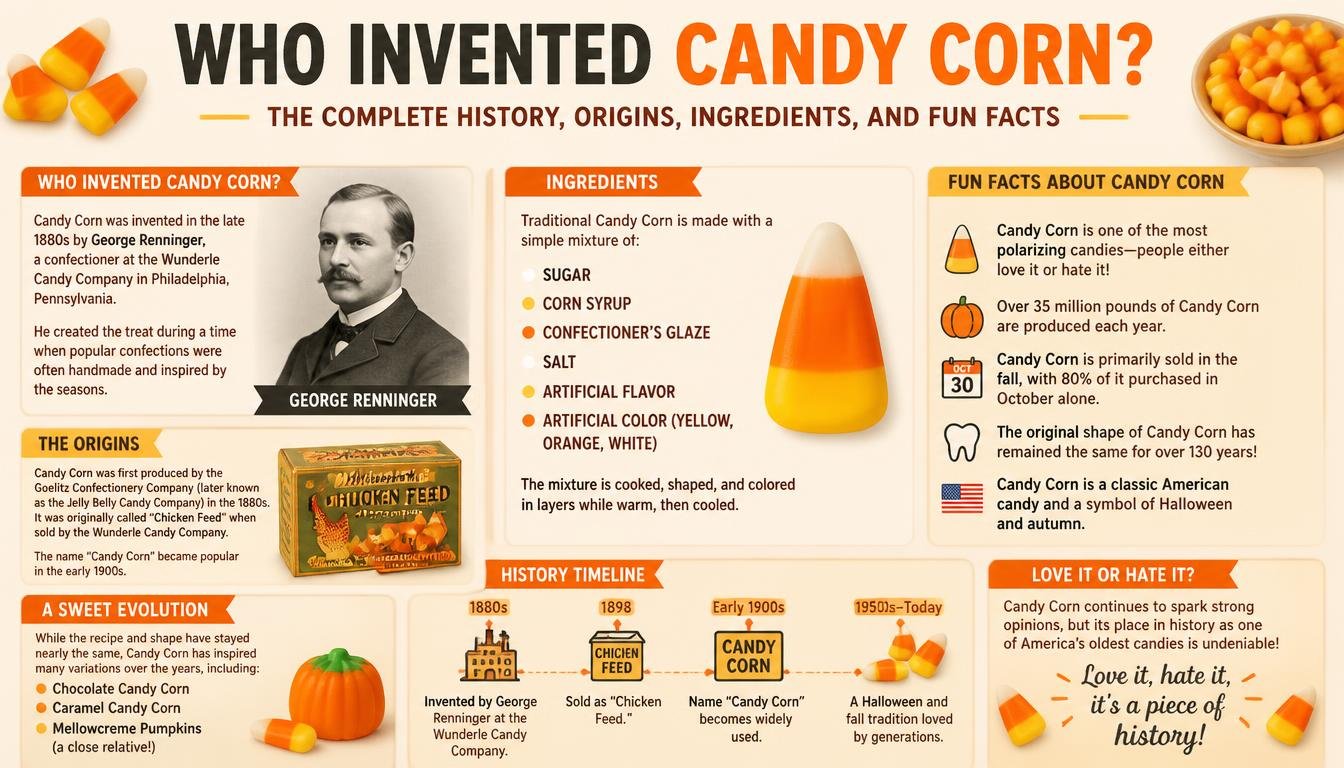
Candy corn is one of the most recognizable Halloween treats in the United States. Loved by many and disliked by others, its distinctive white, orange, and yellow layers have made it an iconic seasonal candy for more than a century. Every autumn, millions of pounds of candy corn appear in stores, decorating homes, filling candy bowls, and becoming part of Halloween celebrations. Despite its popularity, many people wonder who invented candy corn, why it was created, and how it became one of America’s most famous candies. Understanding the history of candy corn reveals an interesting story of creativity, traditional candy-making techniques, and successful marketing that transformed a simple confection into a cultural symbol. This complete guide explores everything about candy corn, including its inventor, history, manufacturing process, ingredients, nutritional value, fun facts, and why it continues to remain popular today.
Who Invented Candy Corn?
The invention of candy corn is generally credited to George Renninger, a candy maker employed by the Wunderle Candy Company during the 1880s. Renninger developed a colorful candy shaped like a kernel of corn at a time when agricultural themes were common in American culture. Corn represented prosperity and farming, making it an ideal inspiration for a new confection.
Although George Renninger invented candy corn, it was the Goelitz Confectionery Company, now known as Jelly Belly Candy Company, that made candy corn famous by producing it on a large commercial scale beginning around 1898. Through consistent production and nationwide distribution, the company introduced candy corn to generations of Americans and established it as a seasonal favorite.
The Early History of Candy Corn
During the late nineteenth century, most Americans lived in farming communities, and agriculture influenced many aspects of daily life, including food. Candy makers created treats shaped like vegetables, fruits, and farm products because they reflected familiar images from everyday life. Candy corn was originally marketed as “Chicken Feed,” with packaging featuring a rooster to appeal to rural consumers. This playful branding emphasized the candy’s resemblance to kernels of corn while connecting it with America’s agricultural roots.
Making candy corn was a labor-intensive process. Skilled workers poured colored sugar mixtures into molds by hand, creating each of the candy’s three distinct layers. Without modern automated equipment, production required patience and precision, making candy corn a remarkable achievement for its time.
How Candy Corn Is Made
Modern candy corn production combines traditional recipes with advanced manufacturing technology. Manufacturers begin by cooking sugar, corn syrup, fondant, marshmallow, vanilla flavoring, and other ingredients into a smooth mixture. Food coloring is added to create the signature white, orange, and yellow layers.
The warm candy mixture is deposited into specially designed molds that form the familiar kernel shape. Once cooled and hardened, the candy is polished with a confectioner’s glaze to produce its glossy appearance. Automated systems now manufacture thousands of pieces every minute while maintaining consistent size, color, and flavor. Although the production process has become much faster, the basic recipe remains similar to the one developed more than a century ago.
Why Was Candy Corn Invented?
Candy corn was created as a novelty confection inspired by American farming culture. During the late 1800s, candy makers competed to create colorful and visually appealing sweets that attracted customers. The corn kernel shape was simple, recognizable, and meaningful because corn was one of America’s most important crops.
Over time, candy corn evolved from a general confection into a seasonal Halloween tradition. Marketing campaigns, attractive packaging, and increasing consumer demand helped associate the candy with autumn celebrations. Today, many people consider candy corn just as essential to Halloween as pumpkins, costumes, and trick-or-treating.
Candy Corn Ingredients
Traditional candy corn contains a blend of ingredients designed to create its smooth texture and sweet flavor. Common ingredients include sugar, corn syrup, confectioner’s glaze, fondant, marshmallow, salt, honey, vanilla flavoring, gelatin, vegetable oils, and food coloring. Different manufacturers may use slightly different recipes, but the overall taste and appearance remain similar.
The combination of sugar and corn syrup provides sweetness, while marshmallow and fondant contribute a soft, creamy texture. Honey and vanilla enhance the flavor, giving candy corn its distinctive taste that many people instantly recognize.
Nutritional Information
Candy corn is primarily composed of carbohydrates and sugar, making it a high-energy treat intended for occasional enjoyment. A standard serving typically contains around 140 calories, little or no fat, and a significant amount of added sugar. While candy corn is not considered a health food, enjoying it in moderation can be part of a balanced diet during holiday celebrations.
Consumers with dietary restrictions should always read ingredient labels carefully because recipes may contain gelatin or other ingredients that are not suitable for every diet.
Why Is Candy Corn So Popular?
Candy corn has remained popular for more than one hundred years because it combines tradition, nostalgia, and seasonal excitement. Many families associate candy corn with childhood memories, Halloween parties, school events, and autumn decorations. Its bright colors immediately remind people of fall, making it one of the most recognizable seasonal candies available.
Limited seasonal availability also increases its popularity. Because candy corn is primarily sold during the autumn months, many consumers look forward to purchasing it each year. This sense of anticipation helps maintain strong annual demand.
Interesting Candy Corn Facts
Candy corn was originally marketed under the name “Chicken Feed,” reflecting America’s agricultural heritage. Early production required workers to hand-pour each colored layer separately before modern automation simplified the process. Millions of pounds of candy corn are produced every year, with the majority sold during the Halloween season. National Candy Corn Day is celebrated annually on October 30, just one day before Halloween. Although the classic recipe remains the most popular, manufacturers have introduced chocolate, caramel apple, pumpkin spice, fruit-flavored, and other limited-edition varieties to attract new generations of candy lovers.
Different Types of Candy Corn
Classic candy corn remains the best-known variety, but manufacturers have expanded their offerings to include candy pumpkins, chocolate candy corn, caramel apple candy corn, reindeer corn for Christmas, Valentine’s Day candy corn, Easter-themed versions, and several limited-edition flavors released throughout the year. These variations allow consumers to enjoy the familiar texture while experiencing new flavors and seasonal themes.
Is Candy Corn Still Made Today?
Yes. Candy corn continues to be produced in large quantities every year. Modern factories use automated equipment capable of manufacturing millions of pieces daily while preserving the candy’s traditional appearance and flavor. It remains one of the top-selling Halloween candies in the United States and continues to be enjoyed by families across generations.
Conclusion
Candy corn is far more than a colorful Halloween treat. It represents an important chapter in American candy-making history and demonstrates how creativity, innovation, and effective marketing can transform a simple idea into a lasting tradition. George Renninger’s invention during the late nineteenth century laid the foundation for a candy that has delighted consumers for well over a century, while companies such as Jelly Belly helped make it famous nationwide. Today, candy corn remains a symbol of autumn, nostalgia, and celebration. Whether you enjoy eating it by the handful, using it as festive decoration, or simply learning about its fascinating history, candy corn continues to hold a unique place in American culture.
Frequently Asked Questions (FAQs)
1. Who invented candy corn?
George Renninger is widely credited with inventing candy corn while working for the Wunderle Candy Company during the 1880s.
2. Which company made candy corn famous?
The Goelitz Confectionery Company, now known as Jelly Belly Candy Company, popularized candy corn through large-scale production.
3. Why is candy corn associated with Halloween?
Its autumn colors and decades of seasonal marketing helped establish candy corn as a Halloween tradition.
4. What is candy corn made of?
Candy corn is typically made from sugar, corn syrup, marshmallow, fondant, honey, vanilla flavoring, confectioner’s glaze, gelatin, and food coloring.
5. Is candy corn vegetarian?
Not always. Some brands use gelatin, while others may offer vegetarian alternatives.
6. How old is candy corn?
Candy corn has been around for more than 140 years, dating back to the 1880s.
7. Why does candy corn have three colors?
The white, orange, and yellow layers are designed to resemble a kernel of corn.
8. Is candy corn available all year?
Most stores sell candy corn primarily during the fall and Halloween season, although some specialty retailers carry it year-round.
9. What does candy corn taste like?
Candy corn has a rich, sweet flavor with notes of honey, vanilla, butter, and marshmallow.
10. Is candy corn one of the oldest Halloween candies?Yes. Candy corn is considered one of the oldest and most recognizable Halloween candies still widely produced today.

If you have ever wanted to experience the rich flavors of South America without leaving your kitchen, learning easy Venezuelan recipes at home is the perfect place to start. Venezuelan cuisine is known for its comforting meals, fresh ingredients, and delicious combinations of cornmeal, cheese, beans, beef, chicken, plantains, avocado, and tropical fruits. Whether you are cooking for your family, preparing a weekend dinner, or simply exploring a new culture through food, traditional Venezuelan recipes are surprisingly simple to make with ingredients that are available in most grocery stores. Many of these dishes have been passed down through generations and remain favorites because they are affordable, filling, and packed with authentic flavor.
In this complete guide, you will discover the best easy Venezuelan recipes for beginners, learn about essential Venezuelan ingredients, and find step-by-step explanations of the country’s most popular homemade dishes. From crispy arepas and savory empanadas to hearty pabellón criollo and delicious desserts, these traditional Venezuelan recipes will help you bring authentic Latin American cooking into your own kitchen.
Why Venezuelan Food Is So Popular
Venezuelan food combines Indigenous, Spanish, African, and European culinary traditions into one vibrant cuisine that is recognized for its comforting flavors and satisfying meals. Unlike many complicated international cuisines, many traditional Venezuelan recipes require only a handful of everyday ingredients and straightforward cooking methods. Corn flour serves as the foundation of many recipes, while meats, vegetables, beans, fresh cheese, and avocado add layers of flavor and texture. The balance between hearty ingredients and fresh produce makes Venezuelan food enjoyable for every season and suitable for everyday cooking.
The growing popularity of Latin American cuisine has also introduced more people to classic Venezuelan dishes. Home cooks appreciate how affordable these recipes are while still delivering restaurant-quality flavor. Many traditional Venezuelan meals can also be customized to fit vegetarian diets, gluten-free lifestyles, or personal taste preferences without losing their authentic character.
Essential Ingredients for Venezuelan Cooking
Before preparing easy Venezuelan recipes at home, it helps to stock your pantry with several staple ingredients that appear in many traditional dishes. Pre-cooked white cornmeal is perhaps the most important ingredient because it is used to prepare arepas, empanadas, and other corn-based recipes. Black beans, white cheese, shredded beef, chicken, ripe plantains, onions, garlic, bell peppers, tomatoes, cilantro, avocado, vegetable oil, cumin, paprika, and fresh lime juice are equally important in creating authentic Venezuelan flavors. These ingredients are inexpensive, easy to find, and versatile enough to be used across multiple recipes.
1. Venezuelan Arepas
Arepas are undoubtedly the most famous Venezuelan food. These thick cornmeal cakes are crispy on the outside and soft inside, making them ideal for breakfast, lunch, or dinner. After cooking the arepas until golden brown, they are sliced open and stuffed with shredded chicken, cheese, avocado, black beans, beef, eggs, or ham. Their versatility makes them one of the easiest Venezuelan recipes for beginners because the dough requires only cornmeal, water, salt, and a small amount of oil. Once mastered, arepas become a staple that can be customized with countless fillings according to personal preference.
2. Pabellón Criollo
Pabellón Criollo is Venezuela’s national dish and perfectly represents the country’s culinary heritage. This filling meal combines slow-cooked shredded beef, black beans, white rice, and sweet fried plantains. Every bite delivers a balance of savory, sweet, and earthy flavors that showcase traditional Venezuelan cooking. Although the dish appears elaborate, each component is simple to prepare, making it ideal for weekend family dinners or special occasions.
3. Venezuelan Empanadas
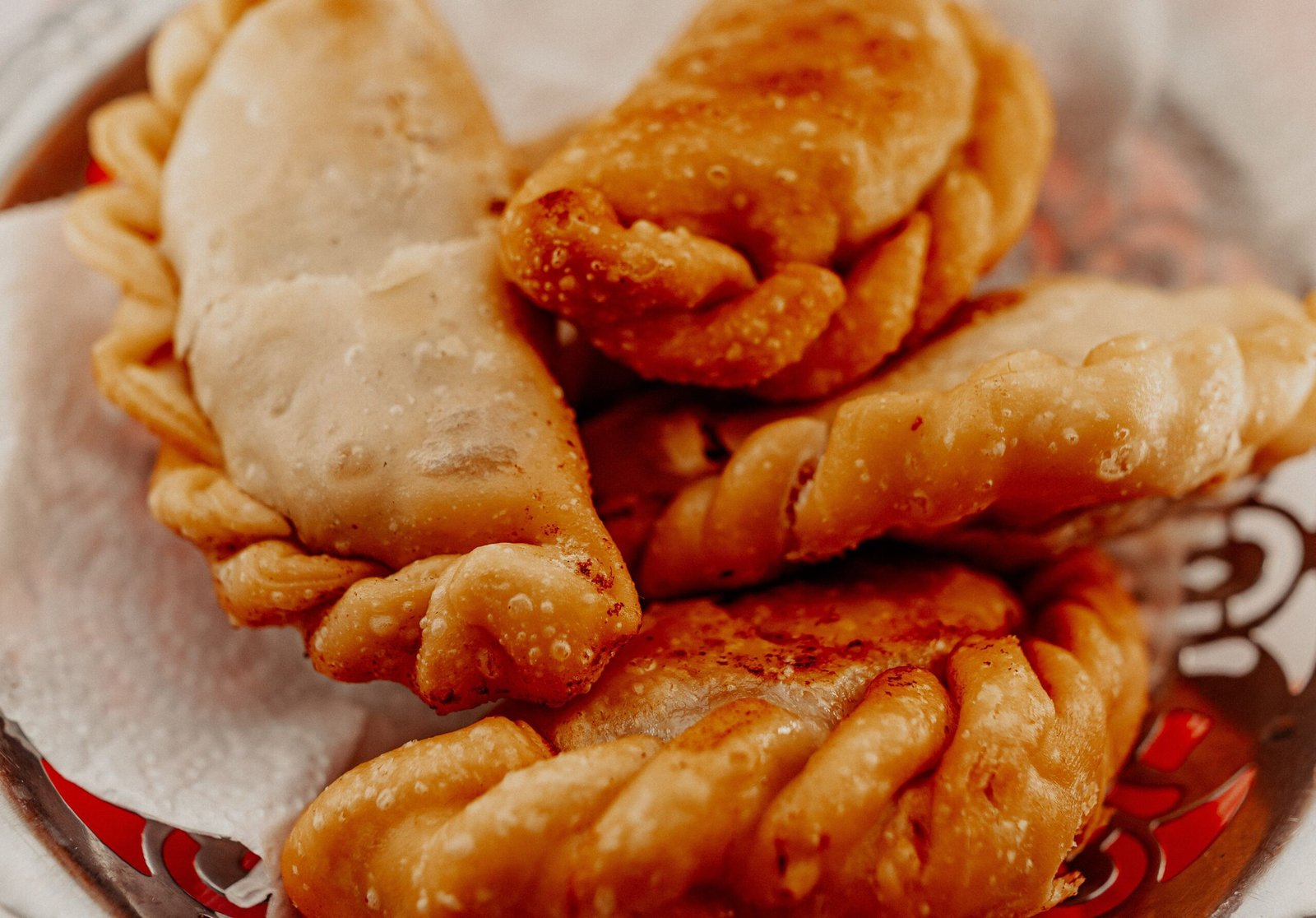
Unlike wheat-based empanadas found elsewhere in Latin America, Venezuelan empanadas are made with cornmeal dough that becomes crispy when fried. Popular fillings include seasoned beef, chicken, black beans, cheese, ham, and seafood. They are commonly served for breakfast or as a quick snack and pair wonderfully with homemade garlic sauce or avocado dip. Their crunchy exterior and flavorful filling make them one of Venezuela’s favorite street foods.
4. Cachapas
Cachapas are sweet corn pancakes made from fresh corn kernels blended into a thick batter before being cooked on a hot skillet. Traditionally, they are filled with soft Venezuelan cheese that melts beautifully into the warm pancake. Their naturally sweet flavor combined with creamy cheese creates an irresistible contrast that makes cachapas a favorite comfort food throughout Venezuela.
5. Hallacas
Hallacas are among Venezuela’s most treasured holiday dishes. A seasoned corn dough is filled with slow-cooked beef, chicken, pork, raisins, olives, and capers before being wrapped in banana leaves and boiled. Although preparing hallacas requires patience, the process brings families together and creates a memorable festive tradition that has been preserved for generations.
6. Tequeños
Tequeños are crispy cheese sticks wrapped in dough and fried until golden brown. They are served at birthdays, weddings, family gatherings, and holiday celebrations throughout Venezuela. Their crunchy texture and gooey cheese filling make them one of the country’s most beloved appetizers.
7. Pan de Jamón
Pan de Jamón is a soft bread roll filled with ham, olives, and raisins. It is especially popular during Christmas but can be enjoyed throughout the year. The slightly sweet dough perfectly complements the savory filling, creating a unique combination that reflects Venezuela’s European culinary influences.
8. Asado Negro
Asado Negro is a traditional slow-roasted beef dish cooked in a rich caramelized sauce. The meat becomes incredibly tender after several hours of cooking, while the sauce develops deep flavors that pair beautifully with rice or mashed potatoes. This classic recipe demonstrates how simple ingredients can create extraordinary meals.
9. Reina Pepiada
One of the most famous arepa fillings is Reina Pepiada, a creamy mixture of shredded chicken, avocado, mayonnaise, cilantro, and seasonings. This filling is refreshing, satisfying, and easy to prepare, making it one of the most requested options in Venezuelan restaurants.
10. Perico
Perico is a traditional Venezuelan scrambled egg dish made with tomatoes, onions, peppers, and herbs. It is commonly served with warm arepas for breakfast and provides a nutritious, protein-rich start to the day.
11. Patacones
Patacones are twice-fried green plantains that become wonderfully crispy outside while remaining tender inside. They are often served as a side dish or topped with shredded meat, cheese, sauces, and vegetables for a complete meal.
12. Pisca Andina
Originating from the Andes region, Pisca Andina is a comforting soup prepared with potatoes, milk, eggs, cilantro, garlic, and cheese. This warming dish is particularly popular during cold mornings and demonstrates the regional diversity of Venezuelan cuisine.
13. Tizana
Tizana is a refreshing fruit drink made with pineapple, watermelon, papaya, grapes, oranges, strawberries, and fruit juice. It is colorful, naturally sweet, and commonly served during celebrations and family gatherings.
14. Arroz con Leche
This creamy rice pudding is flavored with cinnamon, vanilla, milk, and sugar. It remains one of Venezuela’s most loved homemade desserts because it is inexpensive, comforting, and easy to prepare.
15. Quesillo
Quesillo is Venezuela’s famous caramel custard dessert. Similar to flan but with a slightly lighter texture, it combines eggs, milk, sugar, and vanilla into a smooth dessert covered with rich caramel sauce.
Tips for Making Authentic Venezuelan Recipes at Home
Preparing authentic Venezuelan food becomes much easier when you use fresh ingredients and take time to season meats properly. Pre-cooked cornmeal produces the best arepas and empanadas, while fresh herbs brighten the flavor of soups, meats, and salads. Slow cooking tougher cuts of beef creates the tenderness required for dishes like Pabellón Criollo and Asado Negro. Homemade sauces, fresh avocado, and quality cheese also elevate traditional recipes without adding unnecessary complexity.
Why Beginners Love Venezuelan Recipes
Beginner cooks appreciate Venezuelan recipes because they rely on uncomplicated techniques rather than advanced culinary skills. Many dishes involve mixing dough, sautéing vegetables, slow-cooking meats, or frying simple ingredients. The recipes are forgiving, adaptable, and perfect for family meals, making them ideal for anyone learning to cook authentic international cuisine.
Conclusion
Learning easy Venezuelan recipes at home opens the door to one of South America’s richest culinary traditions. From warm arepas stuffed with delicious fillings to hearty Pabellón Criollo, crispy empanadas, sweet cachapas, and creamy quesillo, Venezuelan cuisine offers something for every taste and occasion. These traditional recipes combine affordable ingredients with timeless cooking techniques that have been enjoyed for generations. Whether you are preparing breakfast, lunch, dinner, or dessert, these authentic Venezuelan dishes allow you to experience the warmth, hospitality, and vibrant flavors of Venezuela right from your own kitchen. Start with a simple arepa, explore new ingredients, and soon you’ll discover why Venezuelan home cooking continues to win hearts around the world.
Frequently Asked Questions
What is the most popular Venezuelan food?
The most popular Venezuelan food is the arepa, a cornmeal cake that can be filled with cheese, chicken, beef, avocado, beans, eggs, or many other delicious ingredients.
Are Venezuelan recipes easy for beginners?
Yes. Many traditional Venezuelan recipes use simple ingredients and basic cooking techniques, making them perfect for beginner home cooks.
What ingredients are commonly used in Venezuelan cooking?
Common ingredients include pre-cooked cornmeal, black beans, rice, shredded beef, chicken, cheese, avocado, onions, tomatoes, peppers, garlic, cilantro, and plantains.
Are arepas gluten-free?
Yes. Traditional Venezuelan arepas are naturally gluten-free because they are made from pre-cooked cornmeal instead of wheat flour.
What is Venezuela’s national dish?
Pabellón Criollo is Venezuela’s national dish. It traditionally includes shredded beef, black beans, white rice, and fried sweet plantains.
What dessert is famous in Venezuela?
Quesillo, a caramel custard similar to flan, is one of Venezuela’s most famous desserts and is enjoyed during celebrations and family meals.
Can I make Venezuelan recipes with ingredients from regular supermarkets?
Yes. Most ingredients required for easy Venezuelan recipes at home are available in supermarkets, while specialty Latin grocery stores may carry authentic cornmeal and Venezuelan cheeses.

If you’re searching for the best Ina Garten pork tenderloin recipe, you’ve come to the right place. Known as the Barefoot Contessa, Ina Garten has built a reputation for creating elegant yet approachable recipes that deliver restaurant-quality results with simple ingredients. Her cooking style emphasizes fresh flavors, reliable techniques, and balanced seasonings, making pork tenderloin one of the best proteins to prepare for both weeknight dinners and special occasions.
Pork tenderloin is naturally lean, incredibly tender, and cooks much faster than larger pork cuts, making it an ideal choice for busy home cooks. When prepared using Ina Garten’s cooking philosophy, the meat develops a beautifully browned exterior while remaining juicy and flavorful inside. Whether you’re hosting guests, preparing a family meal, or looking for a healthy dinner option, this guide covers everything you need to know—from selecting the best pork tenderloin to seasoning, roasting, serving, storing leftovers, and avoiding common mistakes. By the end of this comprehensive article, you’ll have the confidence to prepare a perfectly cooked pork tenderloin every single time.
What Makes Ina Garten Pork Tenderloin So Popular?
Ina Garten’s recipes have become household favorites because they combine elegance with simplicity. Rather than relying on complicated techniques or difficult-to-find ingredients, she focuses on high-quality ingredients that complement one another naturally. Pork tenderloin fits perfectly into this philosophy because it is naturally tender, cooks quickly, and pairs beautifully with herbs, garlic, mustard, olive oil, butter, and seasonal vegetables. The result is a meal that tastes sophisticated without requiring advanced culinary skills.
Another reason this recipe has gained popularity is its consistency. Pork tenderloin can easily become dry if overcooked, but using proper roasting temperatures and allowing the meat to rest after cooking helps retain moisture. Ina Garten’s approach emphasizes these fundamentals, ensuring that every slice remains juicy, flavorful, and perfectly cooked.
What Is Pork Tenderloin?
Pork tenderloin is a long, narrow cut of meat that comes from the muscle running along the backbone of the pig. Because this muscle performs very little work, the meat remains exceptionally tender. It is important not to confuse pork tenderloin with pork loin, which is significantly larger, thicker, and requires a different cooking time.
Pork tenderloin generally weighs between one and one-and-a-half pounds, making it ideal for serving three to four people. Its mild flavor allows it to absorb marinades and seasonings exceptionally well, making it one of the most versatile proteins available for roasting, grilling, or pan-searing.
Ingredients
To prepare an Ina Garten-inspired pork tenderloin, gather the following ingredients:
- 2 pork tenderloins
- Olive oil
- Dijon mustard
- Fresh garlic, minced
- Fresh rosemary
- Fresh thyme
- Kosher salt
- Freshly ground black pepper
- Butter
- Lemon zest
- Optional honey for slight sweetness
Using fresh herbs instead of dried herbs significantly enhances the final flavor profile, while Dijon mustard creates a savory crust that locks in moisture during roasting.
Step-by-Step Instructions
Begin by removing the pork tenderloin from the refrigerator approximately thirty minutes before cooking. Allowing the meat to come closer to room temperature promotes even cooking throughout the roast. Pat each tenderloin completely dry using paper towels, as excess moisture prevents proper browning.
Preheat the oven to 425°F (220°C). In a small bowl, combine olive oil, Dijon mustard, minced garlic, chopped rosemary, thyme, salt, pepper, and lemon zest until well blended. Coat each tenderloin generously with the mixture, ensuring every surface is evenly covered.
Heat an oven-safe skillet over medium-high heat and add a small amount of olive oil. Sear the pork tenderloin on all sides until a rich golden-brown crust develops. This step enhances both flavor and appearance by creating caramelization on the meat’s exterior.
Transfer the skillet to the preheated oven and roast until the internal temperature reaches 145°F (63°C). Depending on the size of the tenderloin, this usually takes twenty to twenty-five minutes. Remove the pork from the oven and allow it to rest for at least ten minutes before slicing. Resting allows the juices to redistribute throughout the meat, resulting in tender, juicy slices rather than dry ones.
Tips for the Perfect Pork Tenderloin
Choosing fresh, high-quality pork is the first step toward exceptional results. Look for meat that has a light pink color with minimal surface moisture and little excess fat. Avoid packages containing excessive liquid, as this may indicate older meat.
Using an instant-read meat thermometer is one of the most valuable investments for any home cook. Rather than relying solely on cooking time, checking the internal temperature ensures the pork is cooked safely without becoming dry. Always remove the tenderloin from the oven once it reaches 145°F because residual heat continues cooking the meat while it rests.
Fresh herbs make a remarkable difference compared to dried herbs. Rosemary, thyme, parsley, and sage all complement pork beautifully, while garlic and Dijon mustard create a rich, savory coating that enhances every bite. Finally, never skip the resting period. Although it may be tempting to slice immediately, waiting ten minutes dramatically improves moisture retention and tenderness.
Delicious Side Dishes
Ina Garten-style pork tenderloin pairs well with a variety of comforting side dishes. Creamy mashed potatoes provide a rich, buttery base that complements the lean meat, while roasted baby potatoes offer crispy edges and tender centers. Roasted carrots, asparagus, Brussels sprouts, green beans, and seasonal vegetables bring freshness and color to the plate. Rice pilaf, wild rice, couscous, or quinoa also make excellent accompaniments, especially when finished with fresh herbs and a squeeze of lemon.
A crisp green salad dressed with a light vinaigrette balances the richness of the pork and creates a complete meal suitable for entertaining or family dinners.
Storage and Reheating
Store leftover pork tenderloin in an airtight container in the refrigerator for up to four days. Proper storage helps maintain moisture and prevents the meat from absorbing odors from other foods.
For longer storage, wrap individual portions tightly and freeze them for up to three months. When reheating, warm the pork gently in a 300°F oven with a splash of broth or water to preserve its tenderness. Avoid overheating in the microwave, as excessive heat can quickly dry out the lean meat.
Common Mistakes to Avoid
One of the biggest mistakes home cooks make is confusing pork tenderloin with pork loin. These cuts differ greatly in size and cooking time, and using the wrong method can lead to disappointing results.
Another common mistake is overcooking the meat. Pork no longer needs to be cooked until well done; an internal temperature of 145°F followed by a resting period produces safe, juicy results. Skipping the searing step is another missed opportunity, as browning develops deep, savory flavors through caramelization. Finally, slicing the pork immediately after cooking allows flavorful juices to escape, leaving the meat noticeably drier.
Nutritional Benefits
Pork tenderloin is one of the leanest cuts of pork available and provides an excellent source of high-quality protein. It also contains important nutrients such as vitamin B6, vitamin B12, niacin, phosphorus, selenium, and zinc, all of which support energy production, immune function, and overall health. Because it is naturally low in fat compared with many other cuts of meat, pork tenderloin can fit comfortably into a balanced diet when paired with vegetables and whole grains.
Why This Recipe Works
This Ina Garten-inspired approach succeeds because each cooking step serves a purpose. Searing creates a flavorful crust, mustard helps the herbs adhere to the meat while adding tanginess, garlic contributes aromatic depth, fresh herbs brighten every bite, and roasting at a relatively high temperature cooks the tenderloin quickly without drying it out. Allowing the meat to rest completes the process by preserving its natural juices, resulting in slices that are tender, succulent, and packed with flavor.
Conclusion
The Ina Garten pork tenderloin recipe demonstrates that impressive meals don’t require complicated techniques or lengthy ingredient lists. By combining fresh herbs, garlic, Dijon mustard, olive oil, and proper roasting methods, you can create a beautifully browned, juicy pork tenderloin that is both elegant and approachable. Whether you’re cooking for a weeknight family dinner, celebrating a holiday, or entertaining guests, this recipe delivers dependable results with minimal effort. Master the simple techniques outlined in this guide, and you’ll enjoy perfectly cooked pork tenderloin that is tender, flavorful, and worthy of becoming a regular feature on your dinner table.
Frequently Asked Questions
Is Ina Garten pork tenderloin easy for beginners?
Yes. Pork tenderloin is one of the easiest cuts of meat to prepare because it cooks quickly and requires only basic ingredients. Following the proper temperature guidelines makes it highly reliable, even for first-time cooks.
What temperature should pork tenderloin be cooked to?
The recommended internal temperature is 145°F (63°C). After removing it from the oven, allow the meat to rest for about ten minutes before slicing.
Should pork tenderloin be covered while roasting?
No. Roasting uncovered allows the exterior to brown beautifully and develop a flavorful crust while keeping the inside juicy.
Can I prepare the seasoning ahead of time?
Absolutely. The herb and garlic mixture can be prepared a day in advance and stored in the refrigerator until you’re ready to cook.
Can pork tenderloin be grilled?
Yes. Pork tenderloin grills exceptionally well. Sear it over direct heat before moving it to indirect heat until the internal temperature reaches 145°F.
Which herbs taste best with pork tenderloin?
Rosemary, thyme, sage, parsley, and oregano all pair wonderfully with pork. Combining several fresh herbs creates a more complex and aromatic flavor profile.
Can leftovers be used for other meals?
Yes. Leftover pork tenderloin is excellent for sandwiches, wraps, salads, pasta dishes, grain bowls, tacos, and fried rice.

Dan Cogdell: Career, Background, Legal Work, and What to Know

2025 BMW 3 Series: Complete Guide to Price, Specs, Features, and Performance

Karrueche Tran Naked Search: Understanding Online Privacy and Celebrity Rumors

The Complete Guide to Features, Benefits, Trading Tools, and Market Analysis

CDiPhone: Complete Guide, Features, Benefits, Review & Buying Tips (2026)

The Complete Guide to Understanding, Using, and Optimizing Tags for Better Organization and SEO
 Technology3 months ago
The Complete Guide to Features, Benefits, Trading Tools, and Market Analysis
- Technology3 months ago
CDiPhone: Complete Guide, Features, Benefits, Review & Buying Tips (2026)
- Digital3 months ago
The Complete Guide to Understanding, Using, and Optimizing Tags for Better Organization and SEO
- Entertainment3 months ago
What Is Satta Marking? Complete Guide for Beginners
- Tech3 months ago
DX Flash: Complete Guide to Features, Uses, Installation, Benefits, and Troubleshooting
- Celebrity3 months ago
Trump Tees It Up With Hall of Fame: Complete Story, Event Highlights, and Why It Matters
- Entertainment3 months ago
MMA Stream Reddit: 9 Powerful Legal Ways to Watch Fights Online
- Lifestyle3 months ago
B&Q Altrincham: Complete Store Guide, Products, Services, Opening Hours & Shopping Tips