
Health
Vitamin D Deficiency Newborn Symptoms: Early Signs Every Parent Should Know

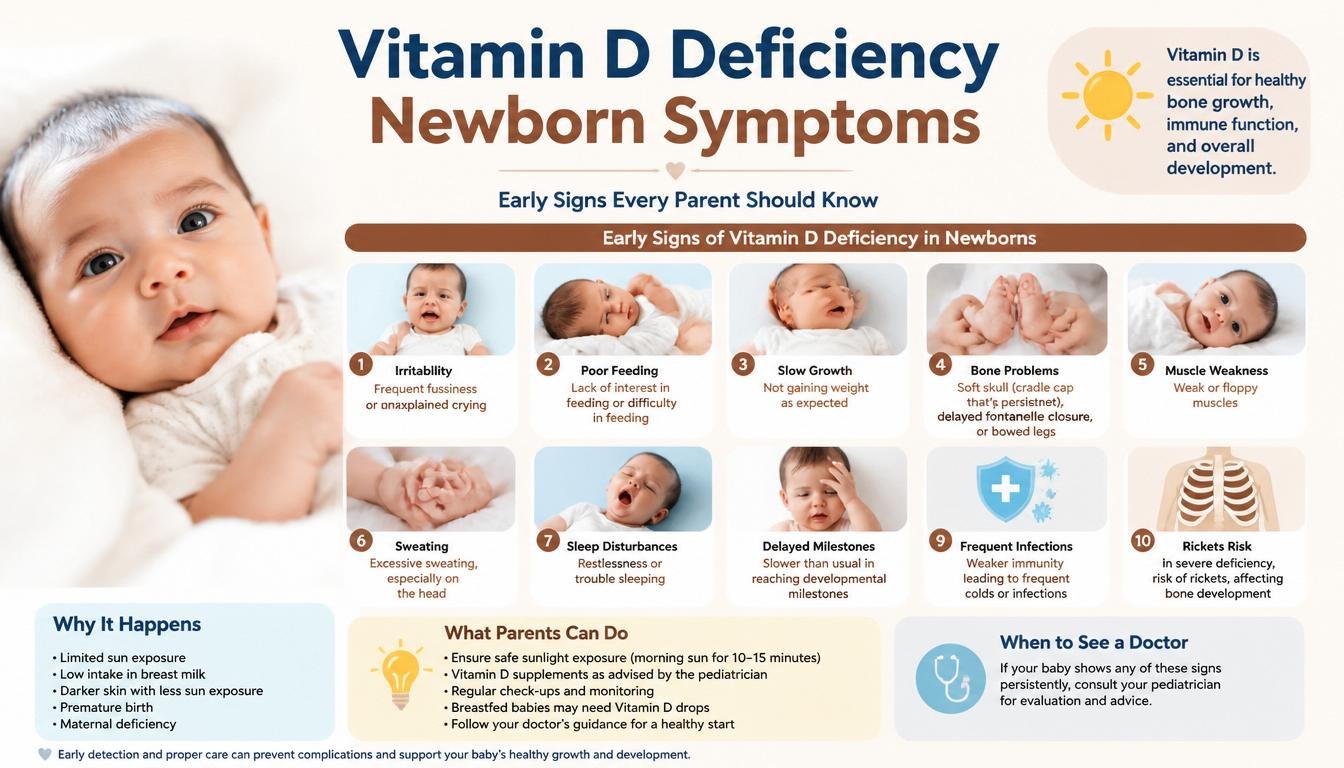
Vitamin D plays a vital role in the healthy growth and development of newborn babies. It helps the body absorb calcium and phosphorus, which are essential for building strong bones, supporting healthy muscles, maintaining a functioning immune system, and ensuring normal growth during infancy. Since newborns grow rapidly during the first year of life, maintaining adequate vitamin D levels is especially important. Unfortunately, vitamin D deficiency can develop in babies who do not receive enough vitamin D through breast milk, formula, supplements, or safe sunlight exposure.
Many parents may not notice the condition immediately because vitamin D deficiency newborn symptoms are often subtle during the early stages. Some babies appear healthy while the deficiency gradually affects bone development and overall health. If left untreated for an extended period, severe vitamin D deficiency can lead to complications such as rickets, delayed growth, muscle weakness, and weakened bones. Understanding the symptoms, risk factors, diagnosis, treatment options, and preventive measures can help parents identify potential concerns early and seek timely medical advice. This comprehensive guide explains everything parents should know about vitamin D deficiency in newborns.
What Is Vitamin D Deficiency in Newborns?
Vitamin D deficiency occurs when a newborn does not have enough vitamin D to maintain healthy calcium and phosphorus levels. Vitamin D enables the body to absorb calcium from food, which is necessary for building strong bones and teeth. Without adequate vitamin D, calcium absorption decreases, causing the body to draw calcium from the bones to maintain normal blood calcium levels. Over time, this process weakens the skeleton and may interfere with normal growth and development.
Newborns are particularly vulnerable because they depend almost entirely on maternal vitamin D stores during pregnancy and nutritional intake after birth. Babies who are exclusively breastfed without supplementation may be at increased risk, as breast milk alone usually does not provide enough vitamin D.
Why Is Vitamin D Important for Newborns?
Vitamin D supports many essential body functions beyond bone health. It contributes to healthy muscle function, immune system regulation, normal nerve activity, and proper growth during infancy. Adequate vitamin D helps reduce the risk of developing soft or weakened bones and supports healthy physical development during the critical early months of life.
Without sufficient vitamin D, babies may experience impaired bone mineralization, slower growth, and an increased likelihood of skeletal problems.
Vitamin D Deficiency Newborn Symptoms
The symptoms of vitamin D deficiency in newborns may appear gradually and can vary from mild to severe depending on the degree of deficiency. Early detection is important because prompt treatment can prevent complications.
1. Delayed Growth
One of the earliest signs is slower-than-expected physical growth. Babies may gain weight or grow in length more slowly than anticipated during routine pediatric checkups.
2. Soft Skull Bones
The bones of the skull may remain softer than expected because of inadequate mineralization. Healthcare providers may notice this during physical examinations.
3. Delayed Closure of the Fontanelle
The soft spot on the top of the baby’s head may take longer than expected to close, especially when vitamin D deficiency affects bone development.
4. Muscle Weakness
Babies may seem less active, have poor muscle tone, or appear floppy due to weakened muscles.
5. Irritability
Some infants become unusually fussy or irritable. While many conditions can cause irritability, it may occur alongside other signs of vitamin D deficiency.
6. Excessive Sweating
Excessive sweating, especially around the head during feeding or sleep, has been reported in some infants with vitamin D deficiency, although it is not specific to this condition.
7. Poor Feeding
Babies may feed less effectively or seem less interested in feeding, potentially affecting weight gain.
8. Delayed Motor Development
As infants grow, vitamin D deficiency may contribute to delays in milestones such as rolling over, sitting, or crawling.
9. Frequent Infections
Vitamin D helps support the immune system. Some studies suggest that low vitamin D levels may be associated with a higher susceptibility to certain infections, though many factors influence infection risk.
10. Bone Pain or Tenderness
Older infants may show discomfort when handled if weakened bones become tender.
11. Bowed Legs (Rickets)
In severe, prolonged deficiency, rickets may develop, causing bowed legs or other bone deformities once the child begins bearing weight.
12. Enlarged Wrists or Ankles
Bone changes associated with rickets can cause widening of the wrists and ankles.
13. Delayed Teething
Teeth may erupt later than expected or develop abnormalities if deficiency persists.
14. Poor Weight Gain
Some babies may not gain weight adequately because of poor feeding or underlying nutritional issues.
15. Seizures from Low Calcium (Rare but Serious)
Severe vitamin D deficiency can lead to very low calcium levels, which may cause seizures or muscle spasms. This is a medical emergency and requires immediate evaluation.
Causes of Vitamin D Deficiency in Newborns
Several factors can contribute to vitamin D deficiency, including maternal vitamin D deficiency during pregnancy, exclusive breastfeeding without recommended supplementation, limited sunlight exposure, darker skin pigmentation, premature birth, certain medical conditions that affect nutrient absorption, and liver or kidney disorders that interfere with vitamin D metabolism.
Risk Factors
Babies are at greater risk if they are exclusively breastfed without vitamin D supplementation, born prematurely, have mothers with low vitamin D levels, have conditions affecting fat absorption, or receive little sunlight exposure due to lifestyle or environmental factors.
How Doctors Diagnose Vitamin D Deficiency
Healthcare providers diagnose vitamin D deficiency by reviewing symptoms, performing a physical examination, and, when indicated, ordering blood tests to measure 25-hydroxyvitamin D, calcium, phosphorus, and alkaline phosphatase. Imaging studies such as X-rays may be used if rickets is suspected.
Treatment
Treatment depends on the baby’s age, the severity of the deficiency, and laboratory findings. A pediatrician may recommend vitamin D supplementation and, if needed, calcium supplementation. Follow-up visits help ensure vitamin D levels normalize and that the baby is growing well. Parents should not give high-dose vitamin D supplements unless directed by a healthcare professional, as excessive vitamin D can be harmful.
Prevention
Prevention focuses on ensuring adequate vitamin D intake. Many pediatric organizations recommend that breastfed and partially breastfed infants receive a daily vitamin D supplement beginning soon after birth. Formula-fed infants generally receive enough vitamin D once they consume sufficient fortified formula, but healthcare providers can advise based on the baby’s intake. Pregnant individuals should also discuss maintaining healthy vitamin D levels with their healthcare provider.
Possible Complications
If left untreated, vitamin D deficiency may lead to rickets, delayed growth, weakened bones, increased fracture risk, delayed motor development, dental problems, and, in severe cases, low blood calcium that can cause seizures or heart rhythm problems.
When to See a Doctor
Parents should contact their baby’s healthcare provider if they notice poor feeding, poor growth, unusual muscle weakness, persistent irritability, developmental concerns, or any signs of seizures, breathing difficulty, or severe illness. Urgent medical evaluation is needed for seizures or other emergency symptoms.
Conclusion
Vitamin D is essential for healthy bone growth, muscle strength, and immune function during the earliest stages of life. Because vitamin D deficiency newborn symptoms may be mild or absent initially, parents should remain aware of potential warning signs such as poor growth, muscle weakness, delayed development, or feeding difficulties while also attending routine pediatric visits. Early diagnosis and appropriate treatment can prevent serious complications, including rickets and low calcium levels. Following recommended vitamin D supplementation guidelines, ensuring appropriate nutrition, and seeking medical advice when concerns arise are effective ways to support a newborn’s healthy growth and development. By understanding the causes, symptoms, treatment, and prevention of vitamin D deficiency, parents can take informed steps to protect their baby’s long-term health.
Frequently Asked Questions (FAQ)
What are the first vitamin D deficiency newborn symptoms?
Early symptoms may include slow growth, poor feeding, muscle weakness, irritability, and delayed bone development. Many babies have no obvious symptoms at first, which is why routine pediatric care is important.
Can breastfed babies become vitamin D deficient?
Yes. Breast milk is an excellent source of nutrition, but it typically does not contain enough vitamin D by itself. Pediatricians often recommend vitamin D supplementation for breastfed infants.
How is vitamin D deficiency diagnosed?
Diagnosis usually involves a medical history, physical examination, and blood tests to measure vitamin D and related minerals. Additional tests may be needed if rickets is suspected.
Can vitamin D deficiency be cured?
Yes. With timely diagnosis and appropriate treatment under medical supervision, most infants recover well, and complications can often be prevented.
Is sunlight enough for newborns?
Sunlight helps the body produce vitamin D, but direct sun exposure for newborns is generally limited because of their sensitive skin. Parents should follow their healthcare provider’s guidance regarding vitamin D supplementation rather than relying on sun exposure alone.
Can vitamin D deficiency cause delayed milestones?
It can contribute to delayed motor development because vitamin D supports healthy bones and muscles, although developmental delays can have many different causes that require medical evaluation.
How much vitamin D does a newborn need?
The recommended amount varies by age, feeding method, and health status. Parents should follow guidance from their pediatrician or local pediatric recommendations regarding supplementation.

Eating the right food is one of the most important habits you can build if you want more energy, better digestion, stronger immunity, and long-term wellness. Many people search for “what to eat what not to eat” because they want clear guidance, not confusing diet rules or extreme food restrictions. The truth is that healthy eating does not mean giving up everything you enjoy. It means making smarter choices most of the time, learning which foods support your body, and understanding which foods can slowly harm your health when eaten too often. A balanced diet can improve your daily life in many ways, from helping you stay focused at work to supporting better sleep and maintaining a healthy weight. When your meals include whole foods, fresh ingredients, and enough nutrients, your body has a better chance to function at its best.
What to Eat for Better Health
The best foods to eat are the ones that provide vitamins, minerals, fiber, protein, and healthy fats without too much added sugar or artificial ingredients. Fresh fruits are an excellent choice because they naturally contain antioxidants, fiber, and hydration. Apples, bananas, oranges, berries, papaya, and pears are all useful in a healthy eating plan because they give your body natural energy and important nutrients. Vegetables should also be a regular part of your meals, especially leafy greens, carrots, broccoli, spinach, cucumber, beans, and tomatoes. These foods are low in calories but high in nutrients, which makes them ideal for people who want to stay full while eating in a healthier way. Whole grains such as brown rice, oats, quinoa, whole wheat bread, and millet can also be a smart addition because they digest more slowly and help maintain steady energy levels throughout the day.
Protein is another essential part of a healthy diet. Your body needs protein to build and repair muscles, support hormones, and keep you feeling satisfied after meals. Good sources of protein include eggs, chicken, fish, lentils, beans, yogurt, tofu, nuts, and seeds. If you eat protein with vegetables and whole grains, your meals become more balanced and more filling. Healthy fats also matter because they support the brain, heart, and hormones. You can get healthy fats from foods such as avocados, almonds, walnuts, chia seeds, flaxseeds, olive oil, and fatty fish like salmon. These foods should be eaten in moderate amounts, but they should not be avoided just because they contain fat. In fact, the right fats are a necessary part of a strong and healthy body.
What Not to Eat or Eat Less Often
Just as important as knowing what to eat is understanding what not to eat too often. Highly processed foods are among the biggest concerns in modern diets because they often contain too much salt, sugar, unhealthy fat, and preservatives. Packaged snacks, instant noodles, sugary cereals, fried fast food, and ready-made desserts may taste good, but they usually provide very little real nutrition. When these foods become a daily habit, they may contribute to weight gain, low energy, digestive problems, and poor overall health. Sugary drinks are another item to limit because they deliver a large amount of sugar without making you feel full. Sodas, energy drinks, sweetened coffee drinks, and bottled fruit drinks can quickly add extra calories to your diet and may increase the risk of health problems over time.
It is also wise to reduce food items made with refined flour and refined sugar as much as possible. White bread, pastries, cakes, cookies, and many bakery products are often low in fiber and may cause blood sugar spikes followed by crashes in energy. Deep-fried foods should also be eaten less often because they can be heavy on the stomach and may contain unhealthy oils if prepared repeatedly at high temperatures. Processed meats such as sausages, nuggets, and some types of deli meat are another category to watch carefully because they can be high in sodium and preservatives. This does not mean these foods can never be eaten, but they should not become a regular part of your routine if your goal is to build a healthy lifestyle.
Building a Balanced Plate
One of the easiest ways to eat well is to think in terms of balance rather than strict rules. A balanced plate usually includes a source of protein, a serving of vegetables, a portion of whole grains, and a small amount of healthy fat. This kind of meal helps keep you satisfied and gives your body a better mix of nutrients. For example, grilled chicken with brown rice and vegetables, lentils with whole wheat roti and salad, or eggs with oats and fruit are all examples of balanced meals that are simple and effective. When you build meals this way, you are less likely to overeat unhealthy foods because your body gets the nourishment it needs.
Another helpful habit is paying attention to portion size. Even healthy foods can become unhealthy if eaten in very large amounts all the time. Nuts, oils, rice, and natural sweet foods like dried fruit are nutritious, but they still need to be eaten with awareness. Listening to your hunger and fullness signals can help you avoid mindless eating. Eating slowly, drinking enough water, and avoiding distractions during meals can also improve digestion and make it easier to stop when you are satisfied. These habits may seem small, but they often create the biggest long-term results.
Foods That Support Everyday Energy
If you often feel tired, your food choices may be one of the reasons. Meals that are too heavy in sugar or refined carbohydrates can make energy levels rise and fall quickly. On the other hand, foods that include protein, fiber, and healthy fats usually provide steadier energy. Oats, eggs, fruit, yogurt, vegetables, beans, and whole grains are all helpful for staying energized during the day. Hydration is equally important. Water is often overlooked, but dehydration can make you feel sluggish, unfocused, and more hungry than you really are. Herbal tea, plain water, coconut water in moderation, and foods with high water content such as cucumber and watermelon can also support hydration.
Breakfast, lunch, and dinner do not need to be complicated to be healthy. A breakfast of oats with fruit and nuts, a lunch of rice with vegetables and protein, or a dinner with soup, salad, and lean protein can all support a healthy eating pattern. What matters most is consistency. A single healthy meal will not change everything, but repeated healthy choices over time can make a major difference. The goal is not perfection. The goal is improvement.
Long-Term Habits Matter More Than Temporary Diets
Many people search for food advice because they want quick results, but lasting health usually comes from habits that are easy to maintain. Very strict diets can be hard to follow and often lead to frustration. A better approach is to focus on realistic food choices that you can keep doing week after week. When you eat more fruits, vegetables, whole grains, and lean protein while reducing processed food, sugar, and fried snacks, your body will usually respond with better energy, better digestion, and better overall well-being. Small changes such as cooking more at home, carrying healthy snacks, or replacing one sugary drink a day with water can have a powerful effect over time.
It is also important to remember that healthy eating should fit your life, culture, and preferences. The best diet is the one you can actually follow. There is no single food that makes a person healthy or unhealthy by itself. It is the overall pattern that matters. A person who eats mostly nutritious meals and occasionally enjoys a treat is usually in a much better position than someone who follows an extreme diet and cannot keep it up. Food should support your life, not make it stressful.
Conclusion
Knowing what to eat and what not to eat is one of the simplest ways to improve your health, but it becomes truly effective only when you apply it consistently. Choose foods that are natural, colorful, and nutrient-rich as often as possible. Eat more fruits, vegetables, whole grains, protein-rich foods, and healthy fats. At the same time, reduce highly processed foods, sugary drinks, deep-fried snacks, and refined baked goods. A healthy diet is not about being perfect every day. It is about making better choices most of the time and building a routine that supports your body for the long term. When you focus on balance, portion control, hydration, and variety, healthy eating becomes easier, more enjoyable, and far more sustainable.
FAQ
1) What are the best foods to eat every day?
The best everyday foods are fruits, vegetables, whole grains, lean protein, healthy fats, and plenty of water. These foods support energy, digestion, and long-term health.
2) What foods should I avoid eating too often?
You should eat less processed food, sugary drinks, fried snacks, refined flour products, and foods high in salt and artificial additives.
3) Can I still eat my favorite foods on a healthy diet?
Yes. A healthy diet is about balance, not complete restriction. You can enjoy your favorite foods sometimes as long as most of your meals are nutritious.
4) What is the easiest way to start eating healthier?
Start with small changes, such as adding one fruit or vegetable to each meal, drinking more water, and replacing processed snacks with healthier options.
5) Do I need to follow a strict diet to be healthy?
No. In most cases, long-term health comes from consistent, balanced eating habits rather than extreme dieting. A simple, realistic routine works better for most people.
6) How can I know if my diet is balanced?
A balanced diet usually includes protein, fiber-rich carbohydrates, healthy fats, and a variety of fruits and vegetables across the day. If your meals are repetitive and heavy in processed foods, they may need improvement.

Finding a lunch that is healthy, satisfying, and easy to prepare can often feel challenging, especially during busy workdays. This is where Mediterranean diet lunch recipes become the perfect solution. The Mediterranean diet is consistently recognized as one of the healthiest eating patterns in the world because it focuses on fresh vegetables, fruits, whole grains, legumes, nuts, seeds, olive oil, lean proteins, and flavorful herbs instead of heavily processed foods. Rather than following strict food restrictions, this lifestyle encourages balanced meals that nourish your body while still being incredibly delicious. Whether your goal is weight management, improved heart health, better digestion, or simply enjoying fresh homemade meals, Mediterranean-inspired lunches provide an excellent combination of nutrition, flavor, and convenience. In this comprehensive guide, you’ll discover everything you need to know about Mediterranean diet lunches, including their health benefits, essential ingredients, meal preparation strategies, and a collection of delicious recipes that you can easily include in your weekly meal plan.
What Is the Mediterranean Diet?
The Mediterranean diet is inspired by the traditional eating habits of countries bordering the Mediterranean Sea, including Greece, Italy, and Spain. Unlike many popular diets that eliminate entire food groups, the Mediterranean diet emphasizes eating a wide variety of nutrient-rich whole foods in balanced portions. Meals are centered around colorful vegetables, whole grains, beans, healthy fats from extra virgin olive oil, seafood, poultry, and moderate amounts of dairy. Herbs, garlic, onions, and fresh lemon juice provide flavor naturally, reducing the need for processed sauces or excessive salt. Scientific research has repeatedly shown that following the Mediterranean diet may reduce the risk of heart disease, type 2 diabetes, obesity, and chronic inflammation while supporting overall longevity and wellness.
Why Mediterranean Diet Lunch Recipes Are So Popular
One of the biggest reasons these lunches have become popular is their versatility. They can be prepared in advance, packed for work, or enjoyed fresh at home without requiring expensive ingredients or complicated cooking methods. Mediterranean lunches are naturally rich in fiber, protein, healthy fats, vitamins, minerals, and antioxidants, helping you stay full and energized throughout the afternoon. Unlike processed fast food, these meals provide slow-releasing carbohydrates and nutrient-dense ingredients that help stabilize blood sugar levels while preventing energy crashes. Because the recipes use simple, wholesome ingredients, they are suitable for families, students, busy professionals, and anyone looking to improve their eating habits without sacrificing flavor.
Essential Ingredients for Mediterranean Lunches
A well-balanced Mediterranean lunch begins with quality ingredients. Fresh leafy greens such as spinach, romaine lettuce, kale, and arugula form an excellent base for salads and bowls. Vegetables like tomatoes, cucumbers, bell peppers, zucchini, broccoli, eggplant, carrots, onions, and olives add vibrant colors and essential nutrients. Whole grains including quinoa, brown rice, barley, couscous, and farro provide lasting energy, while chickpeas, lentils, and beans contribute plant-based protein and fiber. Healthy fats primarily come from extra virgin olive oil, avocado, nuts, and seeds, all of which support heart health. Lean protein options include grilled chicken, salmon, tuna, shrimp, eggs, turkey, and Greek yogurt. Fresh herbs such as basil, parsley, oregano, dill, and mint enhance flavor naturally without relying on processed seasonings.
Best Mediterranean Diet Lunch Recipes
1. Classic Greek Salad with Grilled Chicken
Fresh lettuce, cucumbers, tomatoes, red onions, olives, feta cheese, and grilled chicken are tossed with olive oil, lemon juice, and oregano. This protein-rich salad is refreshing, filling, and perfect for warm afternoons.
2. Mediterranean Chickpea Salad
Combine chickpeas, cucumbers, cherry tomatoes, parsley, red onions, olives, feta cheese, olive oil, and fresh lemon juice. This recipe is high in fiber and requires almost no cooking.
3. Quinoa Mediterranean Bowl
Cooked quinoa serves as the base for roasted vegetables, grilled chicken, spinach, avocado, hummus, and a drizzle of olive oil. This balanced bowl offers protein, fiber, and healthy fats in every bite.
4. Grilled Salmon with Brown Rice
A serving of grilled salmon paired with brown rice and roasted asparagus creates a nutrient-dense lunch rich in omega-3 fatty acids and lean protein.
5. Whole Wheat Pita with Hummus and Vegetables
Spread hummus inside a whole wheat pita and fill it with lettuce, cucumbers, tomatoes, shredded carrots, and grilled chicken or falafel for a satisfying handheld meal.
6. Mediterranean Lentil Soup
Lentils cooked with onions, carrots, celery, tomatoes, garlic, olive oil, and herbs create a hearty lunch that’s perfect for meal prep and packed with plant-based protein.
7. Tuna Mediterranean Salad
Mix tuna with chopped vegetables, olives, chickpeas, parsley, olive oil, and lemon juice for a refreshing, protein-packed lunch that comes together in minutes.
8. Roasted Vegetable Couscous Bowl
Roasted zucchini, peppers, onions, and eggplant are served over whole wheat couscous with crumbled feta cheese and fresh herbs for a colorful, flavorful meal.
9. Mediterranean Egg Salad
Hard-boiled eggs mixed with Greek yogurt, Dijon mustard, herbs, cucumbers, and tomatoes create a healthier alternative to traditional egg salad.
10. Shrimp and Quinoa Salad
Grilled shrimp combined with quinoa, spinach, avocado, cucumbers, tomatoes, and lemon dressing creates a filling lunch loaded with lean protein.
Meal Prep Tips for Mediterranean Lunches
Meal preparation makes following the Mediterranean diet much easier throughout the week. Cooking grains like quinoa or brown rice in large batches allows you to quickly assemble balanced lunch bowls each day. Roasting multiple vegetables at once saves cooking time while enhancing natural flavors. Preparing homemade dressings using olive oil, lemon juice, garlic, and herbs keeps meals fresh without relying on bottled sauces. Portioning cooked proteins such as grilled chicken, salmon, or chickpeas into containers ensures quick lunches for busy schedules. Fresh vegetables should be washed and chopped in advance to encourage healthy eating and reduce meal preparation time.
Health Benefits of Mediterranean Diet Lunch Recipes
Eating Mediterranean-inspired lunches consistently provides numerous long-term health benefits. These meals are naturally high in dietary fiber, which supports healthy digestion and helps maintain steady blood sugar levels. Healthy fats from olive oil, nuts, and fish contribute to improved cardiovascular health by supporting healthy cholesterol levels. Abundant vegetables and fruits provide antioxidants that protect cells from oxidative stress and inflammation. Lean proteins help preserve muscle mass while promoting satiety, making it easier to avoid unhealthy snacking between meals. Because Mediterranean lunches are nutrient-dense rather than calorie-dense, they can also support healthy weight management while supplying the body with essential vitamins and minerals needed for optimal performance.
Common Mistakes to Avoid
Many people mistakenly assume that simply adding olive oil to meals makes them Mediterranean. In reality, the diet emphasizes balance, variety, and whole foods rather than a single ingredient. Another common mistake is relying too heavily on refined breads and pasta instead of whole grains. Choosing processed deli meats over fresh lean proteins can also reduce the nutritional value of meals. Additionally, oversized portions of cheese, nuts, or olive oil can significantly increase calorie intake despite these foods being healthy. Maintaining balanced portions of vegetables, protein, whole grains, and healthy fats creates meals that are both nutritious and satisfying.
Conclusion
Mediterranean diet lunch recipes offer one of the easiest and most enjoyable ways to improve your daily nutrition without sacrificing flavor or convenience. Built around fresh vegetables, whole grains, healthy fats, legumes, and lean proteins, these meals provide a balanced combination of nutrients that support heart health, sustained energy, healthy digestion, and weight management. Whether you’re preparing lunches for work, school, or family meals at home, the Mediterranean approach makes healthy eating both practical and satisfying. By stocking your kitchen with wholesome ingredients, planning meals ahead of time, and experimenting with a variety of colorful recipes, you can enjoy delicious lunches that fit seamlessly into a healthy lifestyle for years to come.
Frequently Asked Questions
What foods are included in Mediterranean diet lunch recipes?
Mediterranean lunches typically include vegetables, fruits, whole grains, legumes, olive oil, lean proteins such as chicken or fish, nuts, seeds, herbs, and moderate amounts of dairy like Greek yogurt or feta cheese.
Are Mediterranean diet lunches good for weight loss?
Yes. They are generally high in protein and fiber, which help increase fullness, reduce overeating, and support healthy weight management when combined with an overall balanced lifestyle.
Can I meal prep Mediterranean lunches?
Absolutely. Many Mediterranean recipes store well in the refrigerator for several days, making them ideal for weekly meal preparation and packed lunches.
What protein sources work best?
Grilled chicken, salmon, tuna, shrimp, eggs, lentils, beans, chickpeas, tofu, and Greek yogurt are all excellent protein choices.
Is the Mediterranean diet suitable for vegetarians?
Yes. Vegetarian Mediterranean lunches can easily be made using beans, lentils, chickpeas, tofu, whole grains, vegetables, nuts, seeds, and dairy products if desired.
How often should I eat Mediterranean meals?
You can enjoy Mediterranean-style meals every day. The diet is designed as a long-term eating pattern rather than a temporary diet plan.

High-protein low-carb dinners have become one of the most popular ways to enjoy satisfying meals while supporting a healthy lifestyle. Whether your goal is losing weight, maintaining lean muscle, improving blood sugar control, or simply eating more nutritious foods, choosing meals that are rich in protein and lower in carbohydrates can help you feel satisfied without feeling overly full. Protein supports muscle repair, helps maintain energy levels, and contributes to a greater feeling of fullness after eating, while reducing refined carbohydrates may help some people better manage calorie intake and maintain steady energy throughout the evening.
One of the biggest misconceptions about low-carb eating is that meals become repetitive or boring. In reality, there are countless delicious dinner options that combine lean meats, seafood, eggs, dairy, legumes in moderation, and colorful vegetables with herbs, spices, and healthy fats to create balanced meals full of flavor. From grilled chicken and baked salmon to turkey meatballs, shrimp stir-fries, steak with roasted vegetables, and vegetarian options featuring tofu or cottage cheese, there are endless combinations that make healthy eating enjoyable. This guide explores everything you need to know about creating high-protein low-carb dinners, including their benefits, essential ingredients, cooking tips, and plenty of meal ideas that fit different lifestyles.
What Are High-Protein Low-Carb Dinners?
High-protein low-carb dinners are meals that emphasize protein-rich foods while limiting carbohydrate-rich ingredients such as white rice, pasta, bread, potatoes, and sugary sauces. Instead of relying on refined carbohydrates, these meals often include lean meats, fish, eggs, tofu, Greek yogurt, cottage cheese, or legumes paired with non-starchy vegetables such as broccoli, cauliflower, spinach, zucchini, asparagus, mushrooms, cabbage, bell peppers, and green beans. Healthy fats from olive oil, avocado, nuts, and seeds are frequently added to enhance flavor and provide additional nutrients. The goal is not necessarily to eliminate carbohydrates completely but to prioritize nutrient-dense foods that provide sustained energy and satisfy hunger.
Benefits of High-Protein Low-Carb Dinners
A high-protein low-carb dinner can support healthy eating in several ways. Protein promotes satiety, which may help reduce late-night snacking and make it easier to manage overall calorie intake. Adequate protein intake is also important for maintaining muscle mass, especially for physically active individuals or older adults. Replacing refined carbohydrates with vegetables and lean proteins can increase fiber, vitamins, and minerals while reducing added sugars and excess calories. Many people also appreciate that protein-rich meals help them feel satisfied for longer periods, making healthy eating easier to maintain over time. Individual nutritional needs vary, so meal choices should be tailored to personal health goals and, if needed, discussed with a healthcare professional.
Best Protein Sources
Excellent protein choices include chicken breast, turkey breast, lean beef, salmon, tuna, cod, shrimp, eggs, Greek yogurt, cottage cheese, tofu, tempeh, edamame, and lean pork. These foods provide high-quality protein while fitting naturally into many low-carb meal plans. Rotating among different protein sources throughout the week also helps increase dietary variety and nutrient intake.
Best Low-Carb Vegetables
Non-starchy vegetables provide fiber, antioxidants, vitamins, and minerals without adding large amounts of carbohydrates. Broccoli, cauliflower, zucchini, spinach, kale, cabbage, mushrooms, asparagus, cucumbers, green beans, Brussels sprouts, bell peppers, lettuce, celery, and eggplant are excellent choices that can be roasted, grilled, sautéed, or steamed for flavorful side dishes.
25 High-Protein Low-Carb Dinner Ideas
- Grilled chicken breast with roasted broccoli.
- Garlic butter salmon with asparagus.
- Turkey meatballs with zucchini noodles.
- Shrimp stir-fry with mixed vegetables.
- Grilled steak with mushrooms and spinach.
- Lemon herb chicken with green beans.
- Baked cod with roasted cauliflower.
- Chicken lettuce wraps.
- Beef and broccoli skillet.
- Greek chicken salad.
- Egg and vegetable frittata.
- Garlic shrimp with zucchini noodles.
- Stuffed bell peppers with ground turkey.
- Chicken Caesar salad without croutons.
- Tuna-stuffed avocado.
- Turkey burger lettuce wraps.
- Baked tofu with sesame vegetables.
- Cottage cheese vegetable bowl.
- Pork tenderloin with Brussels sprouts.
- Chicken and mushroom skillet.
- Grilled tilapia with sautéed spinach.
- Buffalo chicken stuffed peppers.
- Beef zucchini casserole.
- Mediterranean chicken bake.
- Herb-roasted salmon with green beans.
Meal Prep Tips
Preparing protein in advance makes healthy eating much easier during busy weeks. Cooking several chicken breasts, turkey patties, or salmon fillets at once allows quick assembly of balanced dinners. Washing and chopping vegetables ahead of time reduces preparation time, while storing homemade sauces separately helps preserve freshness. Freezing cooked proteins in individual portions can also simplify meal planning and reduce food waste.
Common Mistakes to Avoid
Some people mistakenly remove nearly all carbohydrates without replacing them with fiber-rich vegetables, resulting in meals that are less balanced. Others rely heavily on processed meats or packaged “low-carb” convenience foods that may be high in sodium or saturated fat. Another common mistake is eating too little protein, which can reduce fullness and make it harder to meet daily nutritional needs. A balanced plate with lean protein, plenty of vegetables, and moderate amounts of healthy fats is generally a practical approach for most people.
Conclusion
High-protein low-carb dinners provide a practical way to enjoy flavorful meals while supporting healthy eating habits. By focusing on lean protein, colorful vegetables, healthy fats, and simple cooking methods, you can prepare satisfying dinners that fit a variety of lifestyles and goals. The key to long-term success is choosing foods you genuinely enjoy, experimenting with different herbs and spices, and planning meals ahead of time to make healthy choices more convenient. Whether you are cooking for yourself or your family, these meals can become a delicious part of a balanced diet that emphasizes nutrition, variety, and sustainability.
Frequently Asked Questions
1. What is considered a high-protein low-carb dinner?
A high-protein low-carb dinner is a meal that contains a generous amount of protein from foods such as chicken, fish, eggs, lean meat, tofu, or Greek yogurt while limiting refined carbohydrates like white bread, pasta, and sugary foods. These meals often include plenty of non-starchy vegetables.
2. Are high-protein low-carb dinners good for weight loss?
They may support weight loss because protein helps increase feelings of fullness, which can make it easier to control overall calorie intake. However, weight loss ultimately depends on maintaining an appropriate calorie balance over time.
3. Which vegetables are best for low-carb dinners?
Broccoli, cauliflower, spinach, zucchini, asparagus, mushrooms, cabbage, lettuce, green beans, Brussels sprouts, bell peppers, and cucumbers are all popular low-carb vegetable choices.
4. Can vegetarians eat high-protein low-carb dinners?
Yes. Tofu, tempeh, eggs, cottage cheese, Greek yogurt, edamame, and certain legumes can all contribute protein while fitting into many lower-carbohydrate meal plans.
5. How much protein should dinner contain?
The ideal amount depends on age, body size, activity level, and overall dietary needs. Many adults aim for approximately 20–40 grams of protein per meal, though individual requirements vary.
6. Can I meal prep high-protein low-carb dinners?
Absolutely. Preparing proteins and vegetables ahead of time is one of the easiest ways to make healthy eating more convenient during busy weekdays.
7. What foods should I avoid on a low-carb dinner plan?
Many people reduce foods such as white bread, refined pasta, sugary beverages, pastries, candy, and heavily processed snacks while emphasizing whole, minimally processed foods instead.
8. Is it healthy to eat high-protein dinners every night?
For many people, protein-rich dinners can be part of a balanced diet when they include a variety of protein sources, vegetables, healthy fats, and overall nutrient diversity. Individual health conditions may require personalized dietary advice.


 Technology1 month ago
CDiPhone: Complete Guide, Features, Benefits, Review & Buying Tips (2026)
- Entertainment1 month ago
What Is Satta Marking? Complete Guide for Beginners
- Technology1 month ago
The Complete Guide to Features, Benefits, Trading Tools, and Market Analysis
- Digital1 month ago
The Complete Guide to Understanding, Using, and Optimizing Tags for Better Organization and SEO
- Lifestyle1 month ago
B&Q Altrincham: Complete Store Guide, Products, Services, Opening Hours & Shopping Tips
- Celebrity1 month ago
Trump Tees It Up With Hall of Fame: Complete Story, Event Highlights, and Why It Matters
- Tech1 month ago
DX Flash: Complete Guide to Features, Uses, Installation, Benefits, and Troubleshooting
- Entertainment1 month ago
MMA Stream Reddit: 9 Powerful Legal Ways to Watch Fights Online