Connect with us

Blog

Red Angus Cow: Complete Guide to History, Characteristics, Temperament, and Beef

Published

on

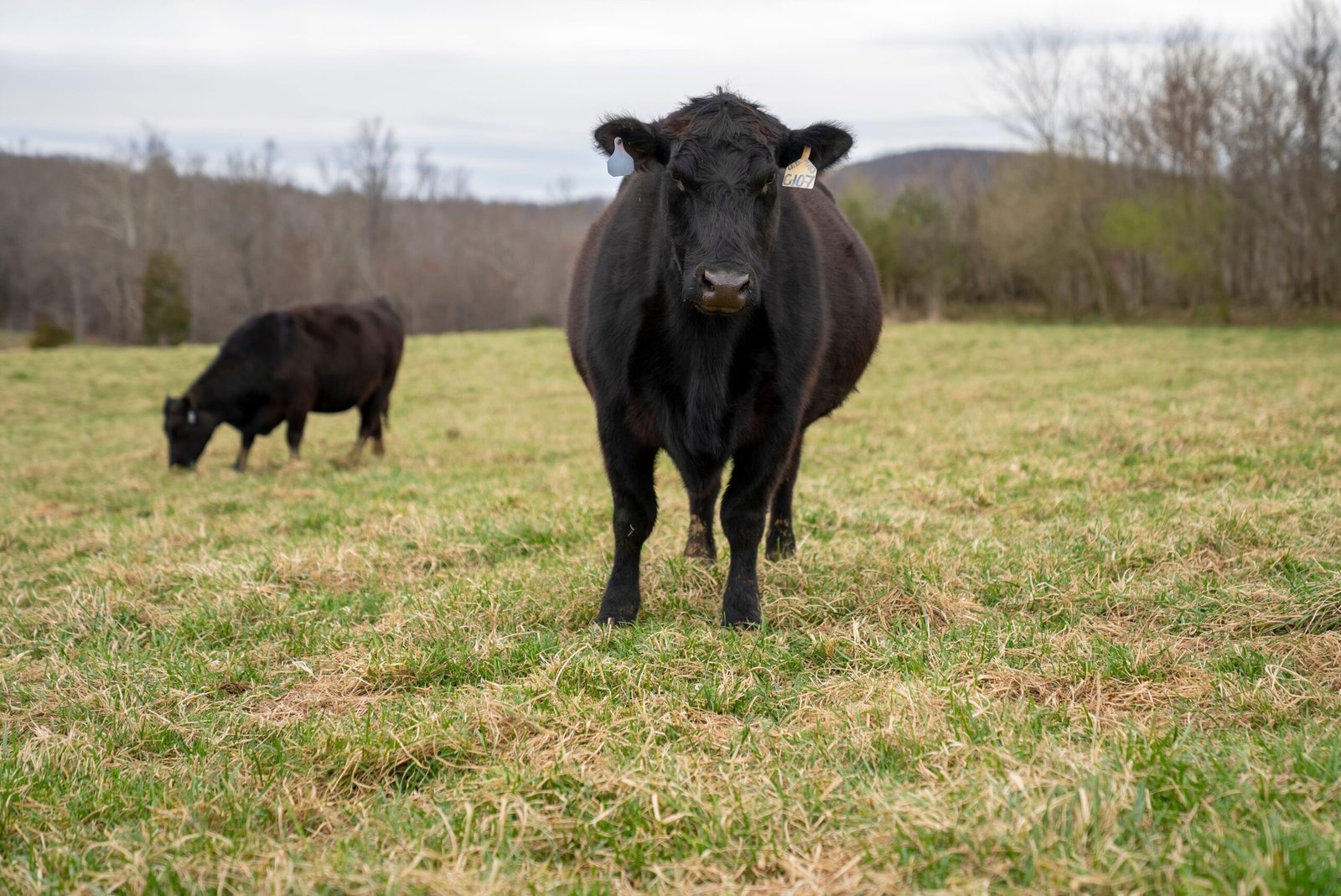
Red Angus cow

The Red Angus cow is one of the best-known red-coated cattle types in modern beef production, recognized for its distinctive solid-red appearance, useful production characteristics, and adaptability to different ranching environments. Although many people first notice the breed because of its color, Red Angus cattle are valued for much more than appearance. Their combination of maternal qualities, growth potential, carcass characteristics, and generally manageable temperament has made them an important part of beef cattle operations in many regions. For farmers, ranchers, livestock enthusiasts, and anyone researching cattle breeds, understanding the background and characteristics of Red Angus cattle can provide useful insight into why this breed continues to attract attention.

The story of the Red Angus is closely connected with Angus cattle, but the red color has its own significance within the breed. Red Angus cattle share many important characteristics with black Angus cattle, while their red coats give them a clearly recognizable appearance. Depending on the production system, individual genetics, environment, nutrition, and management practices, Red Angus cattle can be used in commercial beef operations, breeding programs, and crossbreeding systems. This guide explores the history of the Red Angus cow, its physical characteristics, temperament, feeding requirements, reproductive qualities, beef-production potential, advantages, management considerations, and frequently asked questions.

What Is a Red Angus Cow?

A Red Angus cow is a female bovine belonging to the Red Angus breed, a beef cattle breed closely associated with Angus genetics. The most recognizable feature is the animal’s naturally red coat, which can range from a lighter reddish shade to a deeper dark red. Mature females are generally moderate in size and are valued in beef operations for their maternal abilities, fertility, and ability to contribute useful genetics to a herd. Like other beef cattle, individual animals vary considerably, so characteristics such as mature weight, growth rate, milk production, and body structure should be evaluated at the individual and genetic level rather than assumed to be identical across every animal.

Red Angus cattle are generally recognized as beef-producing animals rather than dairy cattle. Their body structure is suited to producing beef, while cows can also play an important role in maintaining productive cow-calf herds. Producers often pay attention to fertility, calving performance, calf growth, feed efficiency, structural soundness, and carcass characteristics when selecting Red Angus genetics. These considerations make the breed relevant not only to people who want visually distinctive cattle but also to producers interested in building practical commercial beef herds.

History of Red Angus Cattle

The history of Red Angus cattle is closely tied to the development and expansion of Angus cattle. Angus cattle originated in Scotland, particularly in the northeastern regions, where farmers developed naturally polled cattle valued for beef production. Black became the dominant color associated with Angus cattle, but red animals also existed within the genetic population. Over time, breeders developed organized programs around red Angus cattle, establishing a distinct identity for the red-coated animals.

The development of Red Angus as an organized breed reflected increasing interest in maintaining and improving cattle with consistent red coloration while preserving useful Angus characteristics. Breed organizations, performance recording, and selective breeding subsequently helped establish Red Angus cattle as a recognizable beef breed. Today, Red Angus genetics are used in both purebred and commercial cattle operations, and the breed has become established in numerous cattle-producing regions.

Red Angus Cow Appearance and Physical Characteristics

The most obvious characteristic of a Red Angus cow is her coat color. The coat is normally a uniform red, although the precise shade can vary among individual animals. The breed is also naturally polled, meaning properly bred Red Angus cattle do not normally have horns. This feature can be particularly useful in cattle management because naturally hornless animals can reduce the need for dehorning and can make certain handling situations simpler.

Red Angus cattle generally have a beef-type body with a broad and functional frame, muscular development, and a balanced appearance. However, modern cattle vary because breeders select for different combinations of growth, maternal performance, carcass traits, and efficiency. A good breeding animal is not simply judged by color or size. Structural soundness, feet and legs, body capacity, reproductive performance, genetic merit, and overall health are important considerations when selecting cattle for a productive herd.

Red Angus Cow Size and Weight

The size and weight of a Red Angus cow can vary substantially depending on genetics, age, nutrition, environment, and management. Mature cows are generally considered moderate-sized beef cattle compared with some larger continental breeds. Bulls are typically heavier and more heavily muscled than cows, while calves obviously weigh considerably less than mature animals.

It is important not to treat a single weight figure as a universal standard for every Red Angus cow. Mature weight can be influenced by breeding decisions and the production environment, and cattle selected for different objectives can have noticeably different mature sizes. For commercial producers, the most useful question is often not simply how heavy an animal can become, but whether its mature size and growth pattern fit the available forage, climate, management system, and market requirements.

Red Angus Temperament

Temperament is another important consideration when choosing cattle. Individual Red Angus animals can differ, but the breed is commonly associated with a generally manageable disposition when properly handled. Calm cattle are easier to move, restrain, transport, and manage, while animals with poor dispositions can create unnecessary risks for people and livestock.

Temperament is influenced by both genetics and management. A well-bred animal that is handled calmly and consistently from an early age may behave very differently from an animal that has experienced stressful handling. Producers should therefore consider temperament as part of an overall selection strategy rather than assuming that every animal of a particular breed will behave exactly the same way.

Red Angus Beef Quality

Red Angus cattle are used extensively in beef production, and carcass quality is an important part of the breed’s value. Beef quality depends on genetics, nutrition, age at harvest, health, handling, environmental conditions, and processing practices. Consequently, the breed itself does not guarantee a particular eating experience, but appropriate Red Angus genetics can contribute valuable carcass characteristics when combined with effective management.

Marbling, muscle development, carcass weight, fat distribution, and overall carcass composition are among the traits considered in beef-production programs. Producers who are selecting Red Angus genetics for commercial beef production may therefore examine performance records and genetic information rather than choosing animals solely on physical appearance. This approach can help align breeding decisions with the goals of the operation and the expectations of the beef market.

Red Angus Cows as Mothers

One reason Red Angus cows are important in many beef operations is their role as maternal animals. A productive beef cow needs to become pregnant efficiently, calve successfully, raise a healthy calf, and remain productive over multiple breeding seasons. Maternal performance therefore has a major effect on the long-term economics of a cow-calf operation.

When selecting Red Angus replacement females, producers commonly consider fertility, calving ease, udder structure, feet and legs, body condition, temperament, calf performance, and genetic evaluations. A cow that consistently produces and raises healthy calves can be more valuable to a ranch than an animal selected primarily for appearance. Good management remains essential, however, because even genetically promising cattle require suitable nutrition, veterinary care, reproductive management, and appropriate environmental conditions.

Feeding and Nutrition for Red Angus Cattle

Nutrition is fundamental to the health and productivity of Red Angus cattle. The exact feeding program should be adapted to the animal’s age, reproductive status, body condition, production objective, forage availability, climate, and local feed resources. A mature dry cow has different nutritional requirements from a lactating cow, growing calf, replacement heifer, or breeding bull.

Pasture and forage can form an important part of a beef cattle feeding system, while hay, silage, grains, protein sources, minerals, and other supplements may be used when necessary. Clean water must always be available. Producers should work with a qualified livestock nutritionist or veterinarian when designing specialized feeding programs, particularly when cattle have high nutritional demands or when local forage quality is limited. Sudden dietary changes should also be avoided because cattle’s digestive systems need time to adapt.

Red Angus Breeding

Red Angus breeding programs can focus on several objectives, including fertility, calving ease, growth, maternal performance, feed efficiency, and carcass traits. The ideal breeding strategy depends on whether the operation is producing registered seedstock, commercial calves, replacement females, feeder cattle, or crossbred animals.

Genetic selection can help producers make more informed breeding decisions. Instead of selecting a bull or cow solely because it looks impressive, producers can consider available performance data and expected progeny differences or other breed-specific genetic evaluation tools. Combining objective records with physical examination and knowledge of the herd’s goals can help create a more consistent breeding program.

Red Angus in Crossbreeding Programs

Red Angus genetics are also used in crossbreeding systems. Crossbreeding can combine characteristics from different breeds and can provide opportunities to improve productivity through heterosis, depending on the breeds and traits involved. Red Angus may be crossed with other beef breeds to produce calves suited to particular commercial objectives.

The appropriate cross depends on the producer’s environment, cow herd, market, replacement strategy, and desired characteristics. There is no universal cross that works equally well for every ranch. Producers should therefore define their production goals before selecting a crossbreeding system and should consider traits such as calving ease, mature cow size, growth, fertility, carcass performance, and adaptability.

Advantages of Raising Red Angus Cattle

Red Angus cattle can offer several useful characteristics for beef producers. Their naturally red coats provide a distinctive appearance, while their polled genetics can simplify management compared with horned cattle. Their beef-oriented body type makes them relevant to commercial meat production, and their genetics can be useful in both purebred and crossbreeding programs. Maternal characteristics are also an important consideration when selecting Red Angus females for cow-calf operations.

Another potential advantage is the availability of breed-specific performance information. Modern cattle breeding increasingly relies on objective genetic evaluations, allowing producers to compare animals according to economically relevant traits rather than relying exclusively on visual appearance. The value of these tools depends on accurate records and appropriate interpretation, but they can provide useful information when selecting bulls, cows, and replacement heifers.

Challenges and Considerations

Like every cattle breed, Red Angus cattle are not automatically suited to every production system. Climate, forage availability, disease pressure, market conditions, infrastructure, labor, and management practices can all influence whether a particular genetic type performs successfully. Even a well-bred animal may perform poorly if nutrition or health management is inadequate.

Producers should also avoid choosing cattle based on a single characteristic. Excessive emphasis on size, for example, can create cattle whose nutritional requirements do not fit the available forage system. Similarly, focusing exclusively on growth or carcass traits without considering fertility and structural soundness can create long-term herd-management problems. A balanced breeding objective is generally more useful than selecting for one trait in isolation.

Red Angus vs. Black Angus

Red Angus and Black Angus cattle share important genetic and breed characteristics, but their coat colors provide the most obvious visual distinction. Both are associated with Angus cattle and are widely used in beef production. The choice between red and black cattle can depend on the producer’s breeding goals, available genetics, market preferences, and personal management strategy.

It is important to remember that coat color alone does not determine whether an individual animal will be productive. Two cattle with different coat colors may have more similarities than differences in economically important traits, particularly when they come from related genetic backgrounds. Producers should therefore evaluate actual performance and genetic information when making breeding decisions.

How to Choose a Red Angus Cow

Choosing a Red Angus cow should begin with the purpose of the animal. If the goal is to develop a productive cow-calf herd, fertility and maternal characteristics should receive significant attention. If the animal is being purchased for a registered breeding program, pedigree, genetic evaluations, performance records, structural correctness, and breed standards may become particularly important.

Physical inspection should include the feet and legs, udder and teat structure, body condition, frame, muscling, and general health. A buyer should also review available records concerning reproductive performance and previous calf production. When purchasing breeding stock, working with reputable breeders and obtaining appropriate veterinary and genetic information can reduce the risk of making a decision based solely on appearance.

Caring for a Red Angus Cow

Proper care begins with adequate nutrition, clean water, appropriate shelter or environmental protection, and a sound herd-health program. Cattle should have access to sufficient forage or other feed to maintain an appropriate body condition for their stage of production. Routine observation is also important because changes in appetite, behavior, mobility, body condition, or appearance can provide early signs of health problems.

Vaccination and parasite-control programs should be developed according to local disease risks and veterinary recommendations. Reproductive management is equally important for breeding herds. Producers should monitor pregnancy rates, calving performance, calf survival, and cow body condition so that management decisions are based on actual herd performance rather than assumptions.

Is a Red Angus Cow Good for Beef Production?

Red Angus cattle can be well suited to beef production, but the performance of any individual animal depends on genetics and management. Their beef-cattle structure, growth potential, carcass traits, and role in cow-calf systems make them relevant to commercial beef production. However, profitability depends on many factors beyond breed, including feed costs, reproductive efficiency, calf survival, growth, health, market prices, and management quality.

For this reason, a producer considering Red Angus cattle should evaluate the breed within the context of the entire production system. The best cattle for one ranch may not be the best fit for another ranch because environments, forage resources, market demands, and management objectives can be very different.

Conclusion

The Red Angus cow is a distinctive beef animal known for its naturally red coat, polled characteristics, beef-production potential, and importance in both purebred and commercial cattle operations. Its history is closely connected to Angus cattle, while organized breeding programs have helped establish Red Angus as a recognizable breed with its own identity. From cow-calf production to crossbreeding and beef production, Red Angus genetics can serve a variety of agricultural purposes.

Successful Red Angus production ultimately depends on more than breed choice. Nutrition, health care, reproductive management, genetics, pasture quality, animal handling, and careful selection all contribute to herd performance. Farmers and ranchers who understand these factors can make better-informed decisions about whether Red Angus cattle fit their particular goals. Whether someone is researching cattle breeds, considering a breeding animal, or simply learning about beef cattle, the Red Angus remains an important and interesting breed to understand.

Frequently Asked Questions About Red Angus Cows

What is a Red Angus cow?

A Red Angus cow is a female beef animal from the Red Angus breed. She is typically recognized by her solid red coat and naturally polled characteristics and may be used in cow-calf, breeding, beef-production, or crossbreeding operations.

Are Red Angus cows good for beef?

Yes, Red Angus cattle are widely used for beef production. Their genetics can contribute desirable growth and carcass characteristics, although actual beef quality depends on genetics, nutrition, management, age, and processing.

What color is a Red Angus cow?

Red Angus cattle generally have a solid red coat. The shade can vary from lighter red to a deeper, darker red depending on the individual animal.

Do Red Angus cows have horns?

Red Angus cattle are naturally polled, meaning they are genetically hornless. This is one of the useful characteristics associated with Angus genetics.

Are Red Angus cows easy to handle?

Individual temperament varies, but Red Angus cattle are commonly regarded as manageable when properly bred and handled. Good handling practices and calm management are important regardless of breed.

How big does a Red Angus cow get?

Mature size varies according to genetics, nutrition, age, and management. Red Angus cows are generally considered moderate-sized beef cattle, but individual mature weights can differ considerably.

What do Red Angus cows eat?

Red Angus cattle can consume pasture and other forage, with hay, silage, grain, protein supplements, and mineral products used according to nutritional requirements and the production system. Clean water is essential.

Are Red Angus cows good mothers?

Maternal performance is an important consideration in Red Angus breeding. Individual cows should still be evaluated for fertility, calving performance, udder quality, temperament, calf growth, and longevity.

Can Red Angus cattle be crossbred?

Yes. Red Angus genetics are used in crossbreeding programs with other beef cattle breeds. The appropriate cross depends on the producer’s environment and specific production objectives.

What is the difference between Red Angus and Black Angus?

The most obvious difference is coat color: Red Angus cattle have red coats, while Black Angus cattle have black coats. Both are associated with Angus genetics and are used extensively in beef production, while individual performance depends on genetics and management.

Is Red Angus a good choice for a cattle farm?

Red Angus can be suitable for many beef operations, but suitability depends on the farm’s climate, forage resources, management system, market, and breeding objectives. Evaluating genetics and individual animals is important when making a purchase or breeding decision.

What should I look for when buying a Red Angus cow?

Look at the cow’s health, body condition, feet and legs, udder structure, reproductive history, temperament, pedigree, genetic information, and performance records. The most appropriate animal depends on the specific goals of your cattle operation.

Continue Reading

Blog

Kaley Cuoco: Biography, Career, Movies, TV Shows, and Life

Published

on

Kaley Cuoco's

Kaley Cuoco has built a remarkable career in television and film, developing from a young performer into one of the most recognizable actresses of her generation. Born on November 30, 1985, in Camarillo, California, Cuoco began working in entertainment while she was still young and gradually established herself through television appearances, feature films, voice acting, and eventually major starring roles. Her career reached a defining point when she was cast as Penny on The Big Bang Theory, a role that introduced her to a worldwide audience and became closely associated with her name. Later, she demonstrated another side of her abilities by leading and executive producing The Flight Attendant, a comedy-drama thriller that earned her major awards recognition.

Kaley Cuoco’s Early Career

Cuoco began her professional career at a young age, appearing in commercials and taking early television and film roles before reaching her teenage years. One of her early feature-film appearances came in Virtuosity, and she subsequently accumulated credits in television programs and made-for-TV productions. Her first major television breakthrough arrived with 8 Simple Rules, where she played Bridget Hennessy. The series gave her an opportunity to work alongside established performers and helped establish her as a recognizable young television actress. Her early career also included appearances in projects such as Ladies Man, Growing Up Brady, Charmed, and animated productions in which she supplied voice performances.

Kaley Cuoco and The Big Bang Theory

The most transformative period of Cuoco’s career began in 2007 when she joined The Big Bang Theory as Penny. The CBS sitcom centered on a group of highly intelligent friends and their relationships, with Penny providing an important contrast to the show’s scientists and becoming an increasingly developed character as the series progressed. Cuoco remained with the program throughout its entire 12-season run, which concluded in 2019 after 279 episodes. Her performance helped make Penny one of the show’s most recognizable characters, while the enormous popularity of the series established Cuoco as one of television’s leading comedy performers.

The success of The Big Bang Theory also changed the scale of Cuoco’s professional career. During the show’s run, she continued appearing in films and other projects while becoming increasingly involved in producing. Her work on the sitcom demonstrated her ability to sustain a major television role over many years, but she subsequently made an effort to expand beyond the character that had made her internationally famous. That transition became especially important with her next major television project.

The Flight Attendant

After The Big Bang Theory ended, Cuoco took on the central role of Cassie Bowden in The Flight Attendant. The series combined comedy, mystery, and drama and allowed Cuoco to explore a considerably different type of character from Penny. She also served as an executive producer, giving her a larger creative role behind the scenes as well as in front of the camera. Her performance received Primetime Emmy nominations for Outstanding Lead Actress in a Comedy Series in both 2021 and 2022, while the program itself also received recognition during its run.

The series represented an important development in Cuoco’s career because it demonstrated that her work was not limited to traditional sitcom comedy. The combination of acting and producing allowed her to participate in a project from multiple creative perspectives. It also strengthened her reputation as an actress capable of carrying a series in a role that demanded both comedic timing and dramatic performance.

Kaley Cuoco’s Other Movies and Television Work

Although television has been the central part of Cuoco’s career, she has also appeared in a variety of films. Her credits include Hop, The Wedding Ringer, Authors Anonymous, and Why Him?, as well as earlier projects such as Virtuosity. She has also worked extensively as a voice performer, including the title role in the animated series Harley Quinn. This variety has allowed her to work across comedy, drama, animation, television, and film rather than remaining associated with only one type of production.

Cuoco’s work after The Big Bang Theory has also included producing. Her career therefore extends beyond simply appearing on screen, with producing credits becoming an increasingly important part of her professional identity. Apple describes her as having produced projects including Meet Cute and the animated series Harley Quinn, illustrating the broader range of responsibilities she has taken on within entertainment.

Kaley Cuoco’s Public Image and Career Legacy

A significant part of Cuoco’s public image comes from the contrast between the different stages of her career. Audiences first became familiar with her through youthful television roles, then watched her become a major sitcom star through The Big Bang Theory, and later saw her take on more complex material through The Flight Attendant. Her career illustrates how a performer can use the success of a major television series as a foundation for exploring new genres and responsibilities.

Cuoco has also maintained interests outside traditional acting. The Television Academy’s biography notes her enthusiasm for tennis, hiking, running, horseback riding, fitness, and rescue dogs. Her long-standing interest in horses and animals has become a recognizable part of her public profile as well.

Why Kaley Cuoco Remains a Popular Search

Search interest surrounding Kaley Cuoco covers many different aspects of her public career, including her biography, movies, television shows, relationships, interviews, photographs, and appearances. Search phrases involving celebrities do not always accurately represent the most useful information about the person being searched for. For readers looking for reliable information about Cuoco, her verified career history, television roles, filmography, awards recognition, and production work provide substantially more useful context than sensationalized search terms.

For publishers and SEO writers, this distinction is important. An article built around accurate biographical information can naturally incorporate related keywords such as “Kaley Cuoco biography,” “Kaley Cuoco movies,” “Kaley Cuoco TV shows,” “The Big Bang Theory,” and “The Flight Attendant” while providing genuine value to readers. Accurate information, clear organization, useful headings, and original discussion are more sustainable foundations for a celebrity-focused article than simply repeating a sensational search phrase.

Conclusion

Kaley Cuoco’s career is defined by longevity, versatility, and a willingness to take on new challenges. From her early work and breakthrough on 8 Simple Rules to her defining performance as Penny on The Big Bang Theory, she established herself as a major television performer. Her later work on The Flight Attendant, including her role as an executive producer, demonstrated a broader creative range and earned significant awards recognition. Her film, animation, and producing credits have continued to expand her professional profile, making her career considerably broader than the role that originally made her famous.

For readers researching Kaley Cuoco, the most useful approach is to look at the full scope of her career: her early acting work, breakthrough television roles, major productions, awards recognition, producing activities, and continuing work in entertainment. Taken together, these elements provide a much clearer picture of why she remains a prominent figure in television and popular culture.

Frequently Asked Questions

Who is Kaley Cuoco?

Kaley Cuoco is an American actress and producer known particularly for playing Penny on The Big Bang Theory and Cassie Bowden on The Flight Attendant.

What is Kaley Cuoco best known for?

She is best known internationally for her role as Penny on The Big Bang Theory, which ran from 2007 through 2019 and totaled 279 episodes.

What was Kaley Cuoco’s role in The Flight Attendant?

Cuoco played Cassie Bowden and also served as an executive producer on The Flight Attendant. Her performance earned Primetime Emmy nominations in 2021 and 2022.

What movies has Kaley Cuoco appeared in?

Her film credits include Virtuosity, Hop, The Wedding Ringer, Authors Anonymous, and other productions throughout her career.

Does Kaley Cuoco do voice acting?

Yes. Cuoco has provided voice performances in animated productions and voices the title character in Harley Quinn.

When was Kaley Cuoco born?

Kaley Cuoco was born on November 30, 1985, in Camarillo, California.

Continue Reading

Blog

Zendaya: Biography, Career, Movies, Fashion, and Public Image

Published

on

Zendaya

Zendaya has developed from a young Disney Channel performer into one of the most recognizable actors and fashion personalities of her generation. Her career combines television, blockbuster movies, dramatic performances, producing, and high-profile fashion work, giving her an unusually broad presence across entertainment and popular culture. Rather than being defined by a single role, Zendaya has steadily expanded the kinds of projects associated with her name, moving from youth-oriented television into critically recognized dramatic performances and major Hollywood productions. Her official website lists major credits including Euphoria, Spider-Man: Homecoming, Spider-Man: Far From Home, Spider-Man: No Way Home, Dune, The Greatest Showman, Malcolm & Marie, K.C. Undercover, and Shake It Up!.

Zendaya’s Early Career

Zendaya began performing at a young age and established her first major television profile through Disney Channel’s Shake It Up!. She later starred in K.C. Undercover, where she also took on producing responsibilities. These early projects gave her experience not only in front of the camera but also in understanding the broader production process. Her transition from children’s and family entertainment into more mature material became an important part of her career development because it demonstrated her ability to work across substantially different genres and audiences. According to her official biography, Zendaya grew up in Oakland, California, and spent much of her childhood around theater because her mother worked at a local theater.

Zendaya’s Breakthrough in Film

Zendaya’s movie career expanded significantly when she joined the Spider-Man franchise as Michelle “MJ” Jones. Her appearances in Spider-Man: Homecoming, Spider-Man: Far From Home, and Spider-Man: No Way Home placed her alongside one of the world’s most successful superhero franchises and introduced her work to a massive international audience. Her filmography subsequently became more diverse, including projects such as The Greatest Showman, Malcolm & Marie, and Denis Villeneuve’s Dune. This progression is significant because it shows how Zendaya moved beyond the television environment where many audiences first encountered her and established herself as a major film performer.

Zendaya and Euphoria

One of the defining projects in Zendaya’s career is HBO’s Euphoria, in which she plays Rue Bennett. The series allowed her to take on substantially more dramatic material than her earlier television work and became an important showcase for her acting range. Her performance as Rue earned her an Emmy Award in 2020 for Lead Actress in a Drama Series, making her, according to her official biography, the youngest woman to win that award at the time. The role also demonstrated how effectively Zendaya could transition from youth-oriented entertainment into serious television drama while maintaining a strong connection with a broad audience.

Zendaya and the Dune Franchise

Another major stage of Zendaya’s film career has been her role as Chani in the Dune series. Working with director Denis Villeneuve and a large ensemble cast placed her in a major science-fiction production with international reach. The character of Chani provided another opportunity for Zendaya to participate in a visually ambitious franchise while working alongside performers including Timothée Chalamet and Oscar Isaac. Her involvement with Dune further established her as an actor capable of moving comfortably between contemporary drama, superhero cinema, and large-scale science-fiction filmmaking.

Zendaya’s Fashion Influence

Acting is only one part of Zendaya’s public profile. Fashion has become another important element of her career, with her appearances at major events frequently attracting international media attention. Her official biography describes her as a leading fashion figure and notes her collaboration with Tommy Hilfiger as well as her work with luxury brands including Lancôme, Bulgari, and Valentino. In 2021, she received the CFDA Fashion Icon Award, which her official biography identifies as a record achievement because she was the youngest recipient at that time.

Zendaya’s fashion influence is particularly notable because it complements rather than replaces her acting career. Red-carpet appearances, editorial photography, designer collaborations, and brand campaigns have helped establish a recognizable visual identity around her public image. For audiences researching Zendaya’s style, the most useful approach is therefore to consider her fashion work alongside her film and television career rather than treating celebrity imagery as an isolated subject.

Zendaya’s Public Image

Zendaya’s public image has developed around several interconnected areas: acting, fashion, professionalism, and carefully selected creative projects. Her career illustrates how a performer can use early television exposure as a foundation for increasingly ambitious opportunities. From Disney Channel productions to major studio films and award-winning dramatic television, her professional trajectory demonstrates considerable variety. Her official website presents this progression through a film and television list that spans Shake It Up!, K.C. Undercover, The Greatest Showman, Spider-Man, Dune, Euphoria, and other productions.

Why Zendaya Remains a Major Search Topic

Search interest surrounding Zendaya reflects the unusual breadth of her public career. People may encounter her through a movie, television series, fashion event, brand campaign, interview, or social-media discussion and then search for additional information about her. This makes broad informational content more useful than pages focused on sensational or misleading claims. A strong Zendaya biography can answer questions about her acting career, notable roles, awards, fashion work, professional development, and major productions while giving readers reliable context.

Conclusion

Zendaya’s career is a story of continued professional expansion. Beginning with Disney Channel television, she progressed into major Hollywood franchises, acclaimed dramatic television, international film productions, and influential fashion partnerships. Her work in Euphoria, the Spider-Man franchise, and Dune represents several different stages of that development, while her fashion collaborations demonstrate that her influence extends beyond acting. For readers interested in Zendaya, her biography, career achievements, movies, television work, and fashion influence provide a much more complete picture of the performer and public figure than sensationalized searches alone. Her official website remains a useful source for an overview of her film and television credits and professional background.

Frequently Asked Questions

Who is Zendaya?

Zendaya is an American actor and fashion personality known for television and film roles including Euphoria, the Spider-Man franchise, and Dune. She began her career on Disney Channel before moving into larger film and dramatic television projects.

What movies is Zendaya known for?

Zendaya is known for movies including Spider-Man: Homecoming, Spider-Man: Far From Home, Spider-Man: No Way Home, Dune, The Greatest Showman, Malcolm & Marie, and Space Jam: A New Legacy.

What TV show made Zendaya especially well known for dramatic acting?

Euphoria became one of Zendaya’s most significant dramatic television roles. Her performance as Rue Bennett earned her an Emmy Award in 2020.

Is Zendaya involved in fashion?

Yes. Zendaya has developed a substantial fashion profile through designer collaborations, luxury-brand partnerships, and major red-carpet appearances. Her official biography notes her Tommy Hilfiger collaboration and her relationships with brands including Lancôme, Bulgari, and Valentino.

What is Zendaya’s connection to Spider-Man?

Zendaya plays Michelle “MJ” Jones in the recent Spider-Man film series, appearing in Spider-Man: Homecoming, Spider-Man: Far From Home, and Spider-Man: No Way Home.

What is Zendaya’s role in Dune?

Zendaya plays Chani in Denis Villeneuve’s Dune films. The role expanded her filmography into major science-fiction filmmaking and placed her in an ensemble featuring several internationally recognized actors.
Continue Reading

Blog

NR2003: The Complete Guide to NASCAR Racing 2003 Season

Published

on

NR2003

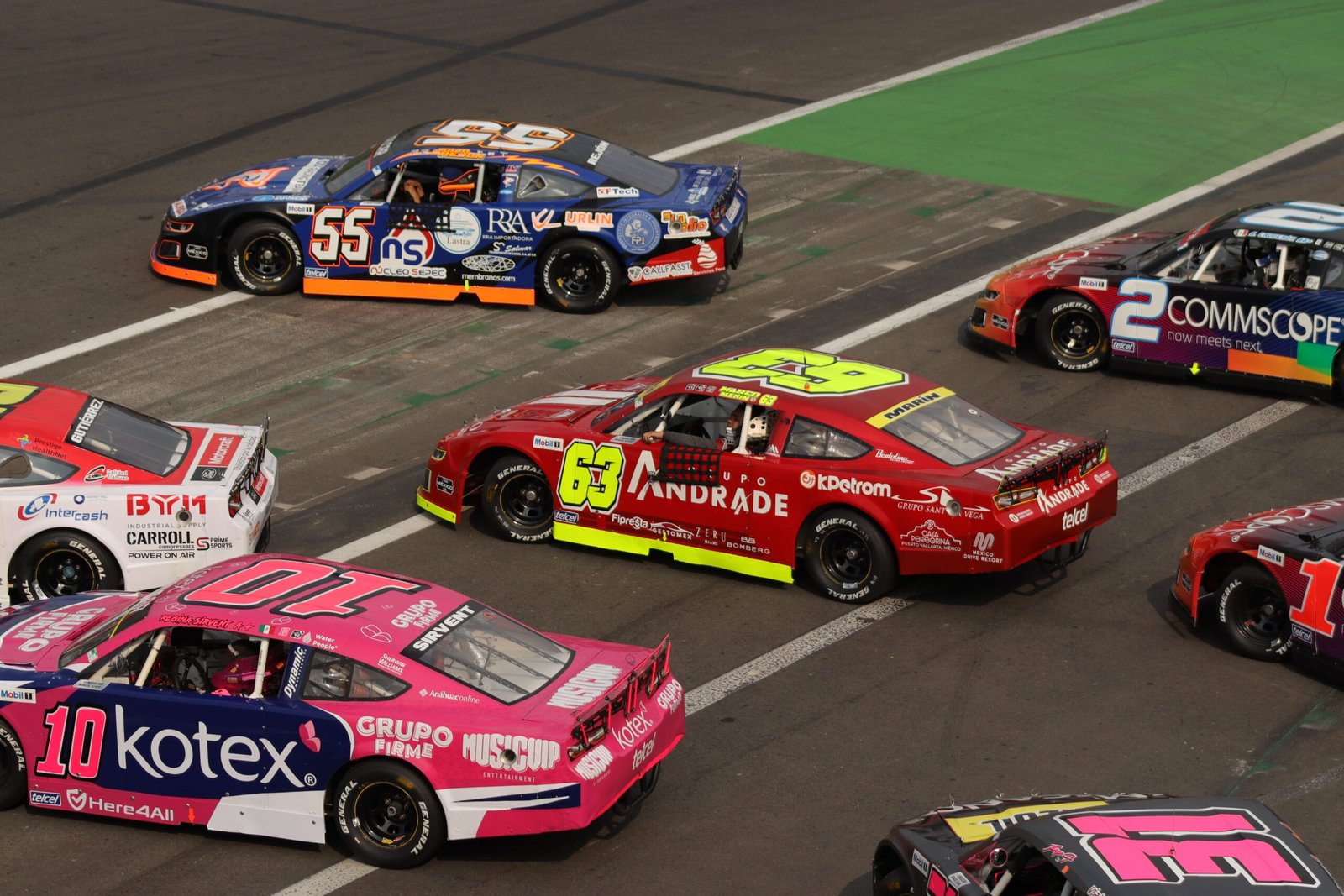
NR2003, short for NASCAR Racing 2003 Season, is a classic PC racing simulator that has maintained a dedicated following long after its original release. Developed by Papyrus Racing Games, the title was designed around realistic stock-car racing, detailed vehicle physics, competitive racing environments, and a simulation-focused driving experience. While many modern racing games emphasize graphics, accessibility, online features, or arcade-style gameplay, NR2003 has continued to attract attention because of the depth of its driving model and the enormous amount of community-created content associated with it. For racing enthusiasts discovering the simulator today, understanding what makes NR2003 special requires looking beyond its age and examining its physics, tracks, cars, setups, customization options, and long-running community.

The appeal of NASCAR Racing 2003 Season is closely connected to its simulation philosophy. Instead of simply allowing players to drive quickly around a circuit, the game asks them to understand the behavior of the car and how different setup choices affect performance. Braking points, throttle control, tire management, aerodynamics, suspension settings, gearing, track conditions, and race strategy can all influence the result. This depth has helped NR2003 become much more than an old NASCAR game for many players. It is often treated as a flexible racing platform that can be customized and expanded with additional cars, tracks, sounds, graphics, and other modifications. That combination of realistic driving and community customization explains why searches for NR2003 mods, NR2003 tracks, and NR2003 cars continue to appear among racing-game enthusiasts.

What Is NR2003?

NASCAR Racing 2003 Season, commonly called NR2003, is a PC racing simulator created by Papyrus Racing Games. It was released in 2003 and represented one of the later major NASCAR-focused racing simulations from Papyrus. The game was built to provide a detailed representation of stock-car racing, with an emphasis on vehicle dynamics, track layouts, racing procedures, and competitive driving rather than purely arcade-style entertainment.

One of the most important aspects of NR2003 is the relationship between the driver and the car. A player cannot always rely on simply accelerating and turning as quickly as possible. The car’s handling changes according to speed, setup, tires, track characteristics, and driving inputs. This makes the simulator especially interesting for players who enjoy learning how a racing car behaves. A successful lap can involve carefully balancing the car through corners, controlling throttle application, managing tire wear, and finding a setup that suits both the circuit and the driver’s style.

Although the original game is associated with NASCAR and American stock-car racing, the underlying simulator technology has supported a much broader range of community-created racing experiences. Over the years, enthusiasts have created additional vehicles, tracks, physics packages, graphical improvements, sounds, and other modifications. As a result, NR2003 has developed a reputation as a highly customizable racing platform rather than simply a historical NASCAR title.

Why NR2003 Is Still Popular

The continued interest in NR2003 is particularly notable because the game comes from an earlier generation of PC racing software. Modern racing titles can provide dramatically more advanced graphics, sophisticated online systems, and extensive licensed content, yet NR2003 continues to attract players who value simulation depth and customization. One reason is that the core driving experience remains rewarding. Players can spend significant time learning a particular track, experimenting with setups, practicing race starts, and improving their consistency.

Another reason is the community surrounding the simulator. Over many years, dedicated racing enthusiasts have produced content that allows players to expand the original experience. Depending on the particular community project, users can encounter different eras of stock-car racing, road courses, short tracks, superspeedways, fictional circuits, and other forms of racing content. This extensive ecosystem is one of the main reasons the search term NR2003 mods remains relevant.

The game’s relatively modest technical requirements also contribute to its accessibility. Because NR2003 was created for older PC hardware, it does not require the kind of modern gaming computer necessary for many contemporary racing simulators. With an appropriate system configuration and compatible operating environment, players can enjoy the simulator without needing cutting-edge hardware. For some enthusiasts, that simplicity is part of its charm.

NR2003 Mods and Community Content

Mods are one of the biggest reasons to explore NR2003 beyond its original content. A modification can change or expand different parts of the simulator, allowing the community to create racing experiences that go far beyond the original release. Depending on the modification, players may find new car sets, physics, tracks, sounds, graphical elements, menus, or other enhancements.

NR2003 mods can be especially interesting for people who want to experience different periods or styles of racing. A player interested in a particular historical era may be able to find community-created cars and tracks that recreate aspects of that period. Another player might prefer modern-style stock cars or completely different racing environments. The flexibility of the simulator gives communities considerable room to experiment.

However, installing modifications requires some care. Players should obtain files from reputable community sources, keep backups of original game files when appropriate, and read installation instructions carefully. Compatibility can vary between modifications, and installing large numbers of unrelated files without understanding their purpose can create unnecessary problems. Keeping a clean installation and organizing downloaded content can make troubleshooting considerably easier.

NR2003 Tracks and Racing Environments

Tracks are another major component of the NR2003 experience. The original game includes a selection of racing environments, but community-created NR2003 tracks have dramatically expanded the possibilities available to players. These tracks can represent real-world circuits, historical venues, fictional locations, or variations of existing layouts.

Different track types require very different driving techniques. A superspeedway, for example, emphasizes drafting, aerodynamic positioning, traffic management, and maintaining momentum. A short track can demand aggressive braking and throttle management while leaving little room for mistakes. Road courses introduce combinations of braking zones, elevation changes, left- and right-hand corners, and different approaches to passing. Learning these differences is an important part of becoming faster in NR2003.

Track quality can also influence the experience considerably. A well-designed community track may provide convincing geometry, appropriate racing surfaces, competitive AI behavior, and detailed surroundings. Players interested in downloading additional tracks should therefore consider compatibility, reputation, installation requirements, and whether the track works correctly with the particular car set they intend to use.

NR2003 Cars and Vehicle Customization

Cars are central to any racing simulator, and NR2003 cars provide another area where the community has significantly expanded the original game. Different car sets can change the appearance and sometimes the behavior of the vehicles, depending on the modification. Enthusiasts can find content representing different eras, teams, liveries, body styles, and racing categories.

For players who enjoy historical racing, customized car sets can be particularly valuable. They can help recreate the visual atmosphere of earlier NASCAR seasons or other racing periods. Modernized car sets, meanwhile, can give longtime players a different experience while retaining the underlying driving mechanics that make NR2003 distinctive.

Paint schemes and graphical customization can also become a hobby in their own right. Some community members spend considerable time creating accurate liveries, fictional designs, or replicas of famous racing cars. This adds another layer of creativity to the simulator and helps explain why NR2003 has remained relevant within dedicated racing communities.

Understanding NR2003 Physics

The physics system is one of the defining characteristics of NR2003. A simulator’s physics determine how the car responds to steering, throttle, braking, tire grip, weight transfer, aerodynamic forces, and other factors. In NR2003, these elements combine to create a driving experience in which smooth and deliberate inputs are generally more useful than constantly making aggressive corrections.

For beginners, the physics can initially feel demanding. A player accustomed to arcade racing games may expect the car to tolerate excessive speed into corners or abrupt steering inputs. NR2003 can punish those habits. Learning to brake in a controlled manner, release the brake smoothly, turn the car with appropriate speed, and gradually apply throttle can make a major difference.

The physics also encourage experimentation. Drivers can change setup parameters and then observe how the car behaves differently. This makes the simulator useful for players who enjoy the technical side of motorsport. Rather than simply asking, “How do I drive faster?” the player can investigate questions such as how tire pressures, gearing, suspension adjustments, or aerodynamic changes influence handling.

NR2003 Setup Guide for Beginners

Car setup is an important part of NR2003, but new players do not need to understand every setting immediately. A sensible approach is to begin with a stable baseline setup and make one change at a time. Changing many settings simultaneously makes it difficult to determine which adjustment helped or hurt the car.

A beginner should first focus on consistency. The fastest possible setup is not necessarily useful if the car is difficult to control over a full race distance. A predictable car can allow the driver to concentrate on braking points, cornering lines, traffic, and tire management. Once consistent laps become easier, setup experimentation becomes much more productive.

Drivers should also consider the characteristics of the circuit. A setup suitable for a high-speed oval may be completely inappropriate for a short track or road course. Understanding the demands of the circuit before changing the car is therefore essential. The goal should be to create a vehicle that works with the track rather than simply making individual settings look more aggressive.

Tips for Improving Your NR2003 Lap Times

Improving in NR2003 generally requires patience rather than simply driving harder. One of the most effective approaches is to concentrate on consistency. If a driver can complete multiple laps within a narrow range of lap times without making major mistakes, that provides a much stronger foundation for improvement than producing one extremely fast lap followed by several errors.

Braking is another area that deserves attention. Beginners often brake too late because they are focused on entering the corner quickly. In many situations, braking slightly earlier and creating a smoother corner exit can produce a better overall lap. Exit speed matters because it affects the entire following straight. Similarly, smooth steering inputs can help maintain stability and reduce unnecessary tire stress.

Practice should also be structured. Instead of repeatedly driving without a specific goal, choose one area to improve during each session. For example, a driver might spend one session learning braking markers, another working on corner exits, and another practicing traffic management. This method makes progress easier to identify and can make long practice sessions more productive.

NR2003 Online Racing

Online racing has historically been an important part of the NR2003 community. Multiplayer competition adds challenges that cannot be reproduced by simply racing against computer-controlled opponents. Human drivers behave unpredictably, racecraft becomes more important, and small mistakes can have significant consequences.

Good online racing requires more than raw speed. Drivers need to understand when to attempt a pass, when to defend, how to give other cars sufficient room, and how to avoid unnecessary contact. Respect for other competitors is particularly important in organized racing environments because one careless move can affect an entire field.

Before joining an online event, it is useful to understand the specific rules and content requirements of the racing community hosting it. Different groups can use different car sets, tracks, damage settings, race lengths, and competition rules. Preparing beforehand can make the experience much smoother.

Is NR2003 Difficult for Beginners?

NR2003 can have a learning curve, particularly for players who have never used a serious racing simulator. The game does not always provide the same level of accessibility features found in many modern racing titles. New players may initially struggle with braking, cornering, setup changes, or race procedures.

The difficulty becomes more manageable when the game is approached gradually. Starting with a familiar track, using a stable setup, and practicing without focusing exclusively on lap times can help. It is also useful to learn one concept at a time rather than attempting to understand every setup parameter immediately.

Once the basic controls become familiar, the depth of NR2003 becomes one of its strengths. Players can continue improving for a long time because there are always new tracks, setups, cars, and driving techniques to explore.

NR2003 Compared With Modern Racing Games

Modern racing games have obvious advantages in areas such as graphics, interface design, accessibility, hardware support, online infrastructure, and contemporary content. NR2003 cannot compete with the visual technology of newer simulators simply because it was developed for an earlier generation of computers.

However, comparing the two purely on graphics misses an important part of NR2003’s appeal. The game’s strength lies in its simulation foundation and extensive community ecosystem. Players who enjoy technical driving, customization, historical racing content, and experimenting with community-created material may find that an older simulator can still provide a compelling experience.

This is also why NR2003 should not necessarily be viewed only as a replacement for modern racing games. It can instead complement them. A player might enjoy modern titles for their graphics and online features while returning to NR2003 for its unique physics, classic racing atmosphere, or extensive collection of community content.

How to Get Started With NR2003

Anyone interested in NR2003 should begin by obtaining the game through a legitimate source where available and ensuring that their computer can run it correctly. Because the software is old, modern operating systems may require additional configuration or community-supported compatibility solutions. Users should always follow legitimate installation and compatibility guidance rather than downloading unauthorized copies.

After installing the simulator, beginners should first run the original content and become familiar with the basic controls. Once the standard game is working correctly, additional modifications can be introduced gradually. Installing a large collection of mods immediately can make it difficult to identify the cause of a problem if something goes wrong.

A clean and organized installation is especially useful for long-term players. Keeping track of car sets, tracks, utilities, backups, and configuration files can save considerable time. The more customized an NR2003 installation becomes, the more important organization becomes.

Conclusion

NR2003, or NASCAR Racing 2003 Season, remains an interesting example of how a well-designed racing simulator can maintain a dedicated community long after its original release. Its combination of detailed driving physics, stock-car racing, setup customization, competitive racing, and extensive community-created content gives it an identity that goes beyond its age. While modern racing games offer significant advantages in graphics and technology, NR2003 continues to appeal to players who value simulation depth, experimentation, and the freedom to customize their racing experience.

For newcomers, the best way to approach NR2003 is gradually. Learn the driving fundamentals first, practice consistency, understand how the car reacts to inputs, and then explore NR2003 mods, NR2003 tracks, NR2003 cars, and setup adjustments. With patience, the simulator can provide a surprisingly deep racing experience and demonstrate why classic PC racing software can continue to attract enthusiasts many years after its original release.

Frequently Asked Questions About NR2003

What does NR2003 stand for?

NR2003 is the commonly used abbreviation for NASCAR Racing 2003 Season, a PC racing simulator developed by Papyrus Racing Games and released in 2003.

Is NR2003 a racing simulator?

Yes. NR2003 is primarily a simulation-oriented racing game, with an emphasis on vehicle handling, racing technique, track characteristics, setups, and competitive driving.

Can you add mods to NR2003?

Yes. The NR2003 community has created a large variety of modifications, including cars, tracks, graphical content, sounds, and other additions. Users should always obtain modifications from reputable sources and follow their installation instructions.

What are NR2003 tracks?

NR2003 tracks are racing circuits used by the simulator. In addition to the original tracks, the community has created many additional circuits representing real-world, historical, and fictional racing venues.

Can beginners play NR2003?

Yes, although beginners may encounter a learning curve. Starting with a stable setup, practicing one track, and focusing on smooth driving inputs can make the learning process easier.

Is NR2003 still worth playing?

Its continued community interest demonstrates that there is still an audience for the simulator. Whether it suits a particular player depends on their interest in simulation physics, classic NASCAR racing, customization, and community-created content.

What makes NR2003 different from modern racing games?

NR2003 comes from an earlier generation of racing software, so its graphics and interfaces are dated compared with modern titles. Its enduring appeal instead comes from its simulation-oriented driving experience and extensive community customization.

What should I learn first in NR2003?

New players should begin with basic car control, braking, cornering, throttle management, racing lines, and consistency. After those fundamentals become familiar, setup tuning and more advanced racecraft can be introduced.

Continue Reading

Trending