Digital
Kinnser Login: Complete Guide to Secure Access, Troubleshooting, Features, and Account Recovery (2026)


Kinnser Login is the secure gateway that allows healthcare professionals to access one of the industry’s most trusted cloud-based home healthcare management platforms. Originally known as Kinnser Software and now integrated into WellSky’s healthcare ecosystem, the platform helps home health agencies, hospice providers, therapists, clinicians, and administrative staff manage patient records, scheduling, documentation, billing, compliance, and communication from virtually anywhere with an internet connection. Because healthcare organizations rely on digital records every day, secure login access is essential for maintaining productivity, protecting patient information, and ensuring uninterrupted clinical operations. Whether you are a new employee logging into the platform for the first time or an experienced user experiencing login issues, understanding how the Kinnser Login system works can save time and reduce unnecessary frustration. This comprehensive guide explains every aspect of Kinnser Login, including account access, password recovery, common troubleshooting steps, security recommendations, system features, and frequently asked questions so users can confidently access their accounts whenever needed.
What Is Kinnser Login?
Kinnser Login is the authentication system used to access the Kinnser home healthcare software platform, which has become part of WellSky. The login portal verifies authorized users before granting access to sensitive healthcare information, ensuring compliance with privacy regulations and protecting confidential patient data. The platform is widely used by home health agencies, hospice organizations, private healthcare providers, and clinical teams that require secure cloud-based access to patient records, scheduling tools, clinical documentation, electronic visit verification, billing information, reporting dashboards, and administrative functions. Instead of relying on locally installed software, Kinnser provides web-based access, allowing authorized users to work from offices, hospitals, clinics, or remote locations while maintaining secure communication and encrypted data transmission.
How to Access the Kinnser Login Portal
Accessing your Kinnser account is a straightforward process when you have valid credentials provided by your healthcare organization. Users should begin by opening a modern web browser and navigating to the official Kinnser or WellSky login page provided by their employer. Once the login screen appears, enter the assigned username or email address along with the corresponding password. After confirming that the information is correct, click the Sign In button to securely authenticate your account. If multi-factor authentication is enabled by your organization, an additional verification code may be required before access is granted. Upon successful authentication, users are directed to the dashboard where they can access patient information, schedules, documentation, billing tools, reports, and other authorized resources.
Key Features Available After Kinnser Login
Once logged into the Kinnser platform, users gain access to a wide range of healthcare management tools that simplify daily operations and improve workflow efficiency. Clinicians can review patient charts, update clinical documentation, complete visit notes, manage care plans, and coordinate treatment with other healthcare professionals. Administrative staff can oversee scheduling, monitor employee activities, process billing, generate financial reports, and ensure regulatory compliance. Managers benefit from real-time reporting, productivity dashboards, performance analytics, and operational insights that help improve organizational efficiency. Because the platform operates in the cloud, users can securely access information from multiple locations while maintaining data accuracy and reducing paperwork throughout the organization.
Common Kinnser Login Problems
Although the login process is generally reliable, users occasionally experience authentication issues that prevent account access. One of the most common problems involves entering an incorrect username or password, often caused by typing errors, outdated saved credentials, or forgotten passwords. Browser compatibility issues, cached data, expired sessions, unstable internet connections, or temporary server maintenance may also interrupt the login process. Organizations may additionally lock accounts after several unsuccessful login attempts as a security precaution. Understanding these common issues allows users to quickly identify the source of the problem and restore account access with minimal disruption to their daily responsibilities.
How to Reset Your Kinnser Login Password
If you forget your password, recovering your account is usually a simple process. Navigate to the login page and select the “Forgot Password” option if it is available. Enter the email address or username associated with your account and follow the verification instructions sent by your organization or the system administrator. After confirming your identity, create a strong password that combines uppercase letters, lowercase letters, numbers, and special characters. Avoid reusing previous passwords or selecting easily guessed information such as birthdays or names. Once your password has been successfully updated, return to the login page and sign in using your new credentials.
Tips for Keeping Your Kinnser Login Secure
Protecting your Kinnser account is essential because healthcare software contains highly sensitive patient information. Always create strong and unique passwords, avoid sharing login credentials with coworkers, and sign out after completing your work, especially when using shared computers. Enable multi-factor authentication whenever available because it provides an additional layer of security beyond your password. Regularly update your browser, operating system, and antivirus software to reduce the risk of security vulnerabilities. Healthcare organizations should also educate employees about phishing attacks, suspicious emails, and social engineering techniques that attempt to steal login information. Maintaining good cybersecurity habits significantly reduces the likelihood of unauthorized account access.
Benefits of Using Kinnser Software
The Kinnser platform offers numerous advantages for healthcare organizations seeking efficient patient management and administrative automation. Cloud-based accessibility allows clinicians to complete documentation from multiple locations without relying on paper records. Integrated scheduling simplifies workforce management, while automated billing helps reduce manual errors and improve reimbursement accuracy. Comprehensive reporting tools provide valuable operational insights, enabling administrators to monitor performance and identify opportunities for improvement. Secure communication features support collaboration among healthcare professionals while helping organizations maintain compliance with healthcare regulations and privacy requirements. These capabilities make Kinnser an important solution for organizations focused on delivering high-quality patient care.
Best Practices for a Smooth Kinnser Login Experience
To minimize login interruptions, users should always bookmark the official login page provided by their organization instead of relying on search engine results. Keeping browsers updated, clearing cache when problems occur, and maintaining a stable internet connection can prevent many common authentication issues. Users should also avoid saving passwords on public computers and periodically update their credentials according to organizational security policies. Contacting the organization’s IT support team promptly whenever unusual login activity occurs helps protect both personal accounts and sensitive healthcare data.
Conclusion
Kinnser Login serves as the secure entry point to one of the healthcare industry’s leading cloud-based management platforms, enabling authorized professionals to efficiently manage patient care, documentation, scheduling, billing, and administrative tasks from virtually anywhere. Understanding the login process, following recommended security practices, and knowing how to troubleshoot common issues ensures a smoother experience while protecting sensitive healthcare information. Whether you are logging in for the first time or resolving account access problems, following the guidance outlined in this article can help you maintain reliable and secure access to the Kinnser platform. As healthcare organizations continue adopting digital solutions, secure login systems remain essential for supporting efficient workflows, regulatory compliance, and high-quality patient care.
Frequently Asked Questions (FAQs)
1. What is Kinnser Login?
Kinnser Login is the secure authentication portal that allows authorized healthcare professionals to access the Kinnser home healthcare management platform, now operating under WellSky.
2. Can I access Kinnser Login from home?
Yes. Authorized users can securely access the platform from any location with a supported web browser and internet connection, subject to their organization’s security policies.
3. What should I do if I forget my Kinnser password?
Use the password recovery option provided on the login page or contact your organization’s IT administrator to reset your account credentials.
4. Why is my Kinnser account locked?
Accounts may become locked after multiple unsuccessful login attempts or because of organizational security policies. Contact your administrator to restore access.
5. Is Kinnser Login secure?
Yes. The platform uses secure authentication methods, encrypted communications, and organizational security controls to help protect sensitive healthcare information.
6. Does Kinnser work on mobile devices?
Many users can access supported features through compatible mobile browsers or approved organizational solutions, depending on employer policies.
7. Who uses Kinnser Software?
Home health agencies, hospice organizations, therapists, nurses, clinicians, healthcare administrators, and other authorized medical professionals commonly use the platform.
8. How can I fix Kinnser Login issues?
Verify your username and password, check your internet connection, clear your browser cache, update your browser, and contact your IT support team if the problem continues.
Digital
RapidIdentity: The Complete Guide to Identity and Access Management for Businesses and IT Teams (2026)

As organizations continue adopting cloud applications, hybrid work environments, and digital transformation strategies, identity security has become one of the most important aspects of modern IT infrastructure. Managing user identities, controlling access to sensitive resources, and protecting company data are no longer optional—they are essential for every business.
RapidIdentity has emerged as a leading Identity and Access Management (IAM) platform designed to help educational institutions, government agencies, healthcare organizations, and enterprises simplify user authentication while strengthening cybersecurity. It enables organizations to automate identity management, implement Single Sign-On (SSO), support Multi-Factor Authentication (MFA), and improve overall user experience without compromising security.
This complete guide explains everything businesses and IT teams need to know about RapidIdentity, including its features, benefits, architecture, security capabilities, implementation process, use cases, best practices, common challenges, and frequently asked questions. Whether you are evaluating identity management solutions or planning to deploy RapidIdentity across your organization, this guide provides detailed insights to help you make informed decisions.
What Is RapidIdentity?
RapidIdentity is a comprehensive Identity and Access Management (IAM) platform that helps organizations securely manage digital identities throughout their lifecycle. Rather than requiring administrators to manually create accounts, assign permissions, and deactivate users across dozens of systems, RapidIdentity automates these tasks through centralized identity governance. It integrates with directories, cloud services, enterprise applications, and educational systems to ensure users receive appropriate access based on their roles while reducing administrative overhead and improving security. By providing centralized authentication, password management, automated provisioning, and identity governance, RapidIdentity enables organizations to protect sensitive information while improving productivity and simplifying access for employees, students, contractors, and partners.
How RapidIdentity Works
RapidIdentity operates by connecting identity sources such as Active Directory, HR systems, student information systems, and cloud applications into a unified identity platform. Whenever a user joins the organization, changes departments, or leaves the company, RapidIdentity automatically updates accounts and permissions according to predefined policies. During login, users authenticate once using secure credentials, and the platform verifies their identity before granting access to authorized resources. Additional security layers such as Multi-Factor Authentication (MFA), adaptive authentication, and risk-based policies further strengthen protection against unauthorized access. Because identity information remains synchronized across connected applications, administrators can efficiently manage thousands of user accounts while minimizing manual intervention and security risks.
Key Features of RapidIdentity
RapidIdentity provides a broad set of capabilities that help organizations manage identities securely and efficiently. One of its most valuable features is Single Sign-On (SSO), allowing users to access multiple applications after one successful login, which reduces password fatigue and improves productivity. The platform also supports Multi-Factor Authentication, adding an additional verification step beyond passwords to enhance account protection. Automated user provisioning and deprovisioning simplify onboarding and offboarding, ensuring employees receive timely access while former users lose access immediately when they leave the organization. Self-service password reset capabilities reduce help desk workloads, while centralized identity governance enables administrators to enforce consistent access policies. RapidIdentity also includes reporting, auditing, compliance tools, role-based access control, lifecycle management, directory synchronization, application integration, and identity analytics to help organizations maintain secure and compliant environments.
Benefits of Using RapidIdentity
Organizations implementing RapidIdentity often experience significant operational and security improvements. Centralized identity management reduces administrative complexity by eliminating repetitive manual account management tasks. Employees benefit from faster and more convenient access to business applications through Single Sign-On, while Multi-Factor Authentication significantly decreases the risk of credential-based attacks. Automated identity lifecycle management minimizes human error during onboarding, transfers, and offboarding, ensuring users always have the correct permissions. Compliance efforts become easier because administrators can generate audit reports, track access changes, and demonstrate adherence to security regulations. Businesses also reduce IT support costs through self-service password management and automated workflows, allowing IT teams to focus on strategic initiatives instead of routine account maintenance.
RapidIdentity Security Features
Security is one of RapidIdentity’s strongest advantages. The platform incorporates modern authentication technologies, encryption, role-based access control, adaptive authentication, and detailed audit logging to protect organizational resources. Multi-Factor Authentication requires additional verification beyond passwords, reducing the effectiveness of phishing attacks and compromised credentials. Access policies can evaluate contextual information such as device type, user role, location, and login behavior before granting access. Detailed logging enables security teams to investigate suspicious activities, monitor authentication events, and satisfy regulatory requirements. These capabilities help organizations establish a strong zero-trust security posture while improving visibility into identity-related risks.
RapidIdentity Implementation Process
Implementing RapidIdentity begins with evaluating existing identity sources, applications, user roles, and security requirements. Organizations typically integrate directories such as Active Directory or cloud identity providers before connecting business applications through supported authentication protocols. User provisioning rules are configured to automate account creation, updates, and deactivation according to organizational policies. Security settings, including Multi-Factor Authentication, password policies, and access controls, are established before testing authentication workflows. Comprehensive testing ensures users can securely access required applications while maintaining compliance with organizational security standards. Training administrators and end users further supports successful adoption and long-term operational efficiency.
Common Use Cases
RapidIdentity serves organizations across multiple industries. Educational institutions use the platform to manage student, faculty, and staff identities while providing secure access to learning management systems, digital libraries, and campus applications. Businesses deploy RapidIdentity to simplify employee authentication, automate account provisioning, and secure cloud resources. Healthcare organizations benefit from improved access management for clinical systems while supporting regulatory compliance. Government agencies use centralized identity governance to strengthen security, manage privileged access, and improve operational efficiency across departments. These diverse use cases demonstrate the platform’s flexibility in addressing modern identity management challenges.
Best Practices for Businesses and IT Teams
Organizations should establish clear identity governance policies before implementing RapidIdentity to ensure consistent access management. Role-based access control should follow the principle of least privilege, granting users only the permissions necessary for their responsibilities. Multi-Factor Authentication should be enabled for privileged accounts and expanded across the organization whenever possible. Regular access reviews help identify unnecessary permissions and maintain compliance. Automated provisioning workflows should be monitored continuously to ensure accurate synchronization between connected systems. Security teams should review audit logs frequently, update authentication policies as organizational needs evolve, and educate users about phishing, password hygiene, and secure authentication practices. Combining these best practices with RapidIdentity’s automation capabilities creates a secure, scalable, and efficient identity management environment.
Common Challenges
Although RapidIdentity simplifies identity management, organizations may encounter challenges during deployment. Integrating legacy applications can require additional planning, particularly when older systems lack support for modern authentication protocols. Accurate identity data is essential because inconsistent directory information may affect provisioning workflows. Businesses should also invest in user training to encourage successful adoption of Single Sign-On and Multi-Factor Authentication. Thorough planning, phased implementation, and continuous monitoring help overcome these challenges while maximizing the platform’s long-term value.
Future of RapidIdentity
Identity security continues evolving as cyber threats become more sophisticated. RapidIdentity is well positioned to support future authentication requirements through automation, cloud integration, adaptive security, and identity governance innovations. As organizations increasingly adopt Zero Trust architectures, passwordless authentication, artificial intelligence, and advanced identity analytics, platforms like RapidIdentity will remain central to protecting digital assets while delivering secure and seamless user experiences.
Conclusion
RapidIdentity is much more than a login platform—it is a comprehensive Identity and Access Management solution that helps businesses and IT teams centralize identity governance, automate user lifecycle management, improve authentication security, and simplify access across cloud and on-premises applications. By combining Single Sign-On, Multi-Factor Authentication, automated provisioning, self-service password management, and detailed auditing, RapidIdentity enables organizations to strengthen cybersecurity while reducing administrative workload. Businesses investing in modern identity management can improve compliance, enhance user productivity, lower operational costs, and build a scalable security foundation for future digital transformation initiatives.
Frequently Asked Questions (FAQs)
1. What is RapidIdentity?
RapidIdentity is an Identity and Access Management (IAM) platform that helps organizations securely manage user identities, authentication, authorization, and access to applications.
2. What industries use RapidIdentity?
RapidIdentity is widely used by educational institutions, government agencies, healthcare organizations, and enterprises that require secure identity management.
3. Does RapidIdentity support Single Sign-On?
Yes. RapidIdentity supports Single Sign-On (SSO), allowing users to access multiple applications using one secure login.
4. Does RapidIdentity offer Multi-Factor Authentication?
Yes. It includes Multi-Factor Authentication (MFA) to improve account security and reduce the risk of unauthorized access.
5. Why is RapidIdentity important for businesses?
It improves security, automates user lifecycle management, simplifies authentication, reduces IT administration, strengthens compliance, and enhances productivity.
6. Is RapidIdentity suitable for cloud environments?
Yes. RapidIdentity integrates with many cloud applications and supports hybrid IT environments.
7. Can RapidIdentity automate user provisioning?
Yes. It automatically creates, updates, and removes user accounts based on organizational policies and lifecycle events.
8. What are the main benefits of RapidIdentity?
The major benefits include centralized identity management, stronger security, Single Sign-On, Multi-Factor Authentication, automated provisioning, compliance support, self-service password reset, and improved user experience.


The internet publishes millions of new web pages, blog posts, news articles, videos, and discussions every single day. Keeping track of information that matters to you can quickly become overwhelming, especially if you are a business owner, marketer, journalist, student, researcher, or simply someone who wants to stay informed. Searching Google repeatedly throughout the day is not only time-consuming but also inefficient because you might miss important updates before you remember to search again. This is exactly where Google Alert becomes one of the most useful free tools available.
Google Alert is a free monitoring service provided by Google that automatically sends notifications whenever new content matching your selected keywords appears on the web. Instead of manually checking Google every day, you simply create an alert for a keyword, and Google does the work for you. Whether you want to follow breaking news, monitor your business reputation, keep an eye on competitors, track your name online, discover new blog posts in your industry, or receive updates about your favorite topics, Google Alert saves time while ensuring you never miss valuable information. In this comprehensive guide, you will learn exactly what Google Alert is, how it works, its major features, benefits, limitations, and best practices for getting the most value from this powerful free tool.
What Is Google Alert?
Google Alert is a free notification service that continuously scans Google’s search index for newly published content matching specific keywords chosen by the user. Whenever Google discovers fresh content related to those keywords, it sends an email notification or updates your alerts feed depending on your settings. Instead of performing manual searches multiple times each day, Google Alert automatically delivers relevant results directly to you, making it an excellent solution for staying informed without wasting valuable time. Because Google indexes websites from around the world, users receive alerts from a wide variety of sources including news websites, blogs, discussion forums, educational websites, and other publicly available online content.
How Does Google Alert Work?
Google Alert works by monitoring Google’s constantly updated search index. After you enter a keyword or phrase, Google continuously searches for new web pages containing that term. When matching content is discovered, the system sends you an alert based on the delivery preferences you selected. Users can choose how frequently alerts arrive, select specific content types such as news or blogs, choose their preferred language and region, and even limit results to only the highest-quality sources. This automation allows users to receive relevant updates without spending hours searching manually, making it an efficient research and monitoring tool for both personal and professional use.
Key Features of Google Alert
Google Alert offers several valuable features that make monitoring online information simple and effective. Users can create multiple alerts for different keywords, customize how often notifications are delivered, select the language and geographic region for results, filter alerts by content type, and receive updates through email. These customization options ensure that users receive information that is both relevant and timely, reducing unnecessary notifications while improving the quality of the updates they receive. Because the service integrates seamlessly with Google’s search technology, it remains one of the easiest monitoring tools available for beginners.
Benefits of Using Google Alert
One of the biggest advantages of Google Alert is automation. Instead of repeatedly searching for updates, Google performs the monitoring on your behalf and delivers relevant results automatically. Businesses can monitor brand mentions to protect their online reputation, marketers can follow industry trends, bloggers can discover fresh content ideas, journalists can track breaking news, researchers can stay updated with the latest information, and job seekers can receive notifications about opportunities in their chosen fields. Since the service is completely free, it provides exceptional value for individuals and organizations looking to save time while staying informed about topics that matter most.
How to Set Up Google Alert
Creating a Google Alert is straightforward. Visit the Google Alerts website while signed in to your Google account. Enter the keyword or phrase you want to monitor into the search box, review the preview results that Google displays, and then customize the alert settings according to your preferences. You can specify how often alerts should arrive, which content sources to include, your preferred language, geographic region, and whether to receive all results or only the highest-quality matches. Once you click the Create Alert button, Google begins monitoring the web for new content related to your chosen keyword and sends updates automatically whenever relevant information is found.
Best Ways to Use Google Alert
Google Alert is extremely versatile and can be used in many different situations. Businesses frequently monitor their company name to identify customer reviews and news mentions. Marketing professionals track competitor names to observe new campaigns and product launches. Content creators monitor industry keywords to discover trending topics and inspiration for future articles. Researchers use alerts to stay informed about developments in specialized fields, while individuals often create alerts for their own names to monitor their online presence. These practical applications make Google Alert useful across nearly every profession.
Tips for Getting Better Google Alert Results
To improve the quality of your alerts, choose highly specific keywords instead of broad terms. Using quotation marks around exact phrases can help reduce irrelevant matches, while combining keywords with locations or industries often produces more targeted results. Review your alerts regularly and refine them whenever you notice irrelevant notifications. Creating multiple focused alerts is generally more effective than relying on a single broad keyword because it provides greater control over the information you receive and increases the likelihood of discovering valuable content.
Limitations of Google Alert
Although Google Alert is a powerful free service, it is not perfect. Not every web page appears immediately in Google’s index, meaning some updates may arrive later than expected. Certain social media posts, private websites, and restricted online communities are not included in Google Alerts. The quality of results can also vary depending on the keywords selected, and users may occasionally receive duplicate or less relevant notifications. Despite these limitations, Google Alert remains one of the most accessible and valuable free monitoring tools available.
Best Practices for Using Google Alert
For the best experience, review and update your alerts periodically to ensure they remain relevant as your interests or business needs evolve. Organize alerts by category, remove outdated keywords, and create separate alerts for different projects rather than combining unrelated topics into one. Monitoring competitor names, industry trends, customer feedback, and your own brand simultaneously can provide valuable insights while helping you stay informed without investing significant time in manual research.
Conclusion
Google Alert is one of the simplest yet most effective free tools for monitoring the web. It enables users to receive automatic updates about news, businesses, competitors, personal names, research topics, and virtually any keyword of interest without repeatedly searching Google. Its ease of use, flexible customization options, and automated notifications make it an excellent solution for beginners as well as experienced professionals. Whether your goal is protecting your online reputation, discovering new content ideas, following industry developments, or simply staying informed, Google Alert provides a reliable and efficient way to keep up with the constantly changing information available on the internet. By creating well-targeted alerts and refining them over time, users can transform Google Alert into a powerful assistant for research, marketing, education, and everyday information gathering.
Frequently Asked Questions (FAQs)
1. What is Google Alert?
Google Alert is a free Google service that sends notifications whenever new online content matches keywords you choose.
2. Is Google Alert free?
Yes. Google Alert is completely free and only requires a Google account.
3. Who should use Google Alert?
Business owners, marketers, bloggers, journalists, researchers, students, job seekers, and anyone interested in monitoring online information can benefit from Google Alert.
4. How often does Google Alert send notifications?
Users can choose to receive alerts as they happen, once a day, or once a week.
5. Can Google Alert monitor my business name?
Yes. Many businesses use Google Alert to monitor brand mentions, customer reviews, news stories, and online discussions related to their company.
6. Does Google Alert monitor social media?
Google Alert mainly monitors content indexed by Google Search. It does not comprehensively track all social media platforms or private content.
7. Can I create multiple Google Alerts?
Yes. You can create multiple alerts for different keywords and manage them independently.
8. Why is Google Alert useful for SEO?
SEO professionals use Google Alert to monitor backlinks, discover content opportunities, follow competitors, identify industry trends, and stay updated on topics relevant to their websites.

Dan Cogdell: Career, Background, Legal Work, and What to Know

2025 BMW 3 Series: Complete Guide to Price, Specs, Features, and Performance

Karrueche Tran Naked Search: Understanding Online Privacy and Celebrity Rumors

The Complete Guide to Features, Benefits, Trading Tools, and Market Analysis

CDiPhone: Complete Guide, Features, Benefits, Review & Buying Tips (2026)

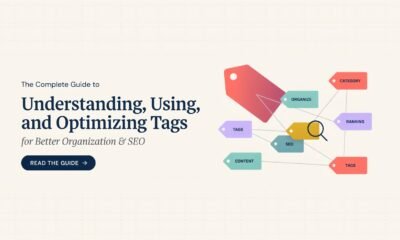
The Complete Guide to Understanding, Using, and Optimizing Tags for Better Organization and SEO
 Technology3 months ago
The Complete Guide to Features, Benefits, Trading Tools, and Market Analysis
- Technology3 months ago
CDiPhone: Complete Guide, Features, Benefits, Review & Buying Tips (2026)
- Digital3 months ago
The Complete Guide to Understanding, Using, and Optimizing Tags for Better Organization and SEO
- Entertainment3 months ago
What Is Satta Marking? Complete Guide for Beginners
- Tech3 months ago
DX Flash: Complete Guide to Features, Uses, Installation, Benefits, and Troubleshooting
- Celebrity3 months ago
Trump Tees It Up With Hall of Fame: Complete Story, Event Highlights, and Why It Matters
- Entertainment3 months ago
MMA Stream Reddit: 9 Powerful Legal Ways to Watch Fights Online
- Lifestyle3 months ago
B&Q Altrincham: Complete Store Guide, Products, Services, Opening Hours & Shopping Tips