Blog
Fontlu: The Ultimate Guide to Fonts, Typography, Creative Design, and Best Practices


Typography is one of the most important elements of visual communication because it influences readability, branding, and the overall user experience. Whether you are designing a website, creating marketing materials, publishing a book, or building a personal brand, choosing the right font can dramatically affect how your audience perceives your content. This is where Fontlu becomes an interesting topic for designers, bloggers, marketers, and creative professionals who want to explore font resources and improve their typography skills. Understanding Fontlu can help users make informed decisions about font selection, organization, and creative design. In this comprehensive guide, we will explore everything you need to know about Fontlu, its features, benefits, practical applications, best practices, and why typography remains an essential part of successful digital and print communication.
What Is Fontlu?
Fontlu refers to a platform or concept centered around fonts and typography resources that help users discover, organize, and utilize different font styles for creative projects. Fonts are much more than decorative text because they communicate personality, emotion, professionalism, and brand identity. Fontlu provides inspiration for users who need suitable fonts for websites, graphic design, advertising campaigns, logos, social media graphics, presentations, invitations, business documents, and numerous other design projects. Instead of randomly selecting fonts, users can understand how typography influences readability, accessibility, and user engagement, allowing every project to appear more polished and professional.
Why Typography Matters
Typography plays a crucial role in creating memorable visual experiences. The right font enhances readability, captures attention, and strengthens brand recognition, while an unsuitable font can make content difficult to read and reduce user trust. Businesses spend significant time selecting typography because consistent fonts help build a recognizable identity across websites, advertisements, packaging, and digital platforms. Fontlu encourages users to understand the relationship between font families, spacing, alignment, contrast, and hierarchy so that every design communicates effectively. Good typography not only improves aesthetics but also guides readers naturally through content, increasing engagement and retention.
Key Features of Fontlu
Fontlu offers several valuable features that appeal to both beginners and experienced designers. One of the biggest advantages is the availability of diverse font categories suitable for different industries and creative styles. Users can browse serif fonts for professional publications, sans-serif fonts for modern websites, script fonts for elegant invitations, display fonts for eye-catching headlines, and monospace fonts for coding environments. Font organization simplifies project management by allowing designers to categorize and reuse favorite fonts efficiently. Additionally, Fontlu promotes experimentation with font combinations, enabling users to discover visually balanced typography that complements logos, websites, presentations, and branding materials without sacrificing readability.
Benefits of Using Fontlu
Using Fontlu provides numerous advantages for creative professionals and businesses alike. A carefully selected font improves brand consistency, making marketing materials instantly recognizable across multiple channels. Designers save valuable time by accessing organized font resources instead of searching through countless unrelated collections. Better typography also improves user experience by making articles, websites, presentations, and printed materials easier to read. Businesses benefit from increased professionalism because polished typography reflects attention to detail and quality. Content creators can establish a distinctive visual identity that helps audiences remember their work, while students and educators gain access to fonts suitable for reports, educational resources, and creative assignments.
How to Choose the Right Font
Choosing the right font involves much more than selecting a visually appealing typeface. Designers should first identify the purpose of the project, the target audience, and the overall message they wish to communicate. Serif fonts often create a traditional and trustworthy appearance, while sans-serif fonts offer a clean, modern, and minimalist aesthetic. Script fonts introduce elegance and personality but should be used carefully to maintain readability. Display fonts attract attention in headlines but are generally unsuitable for long paragraphs. Fontlu encourages combining complementary fonts that create hierarchy without overwhelming readers, ensuring consistency throughout every project while maintaining accessibility across devices and screen sizes.
Best Practices for Typography
Successful typography follows several established principles that improve both visual appeal and readability. Designers should limit the number of fonts used within a single project to maintain consistency and avoid visual clutter. Proper spacing, line height, paragraph structure, and font size significantly influence the reading experience, particularly on mobile devices. High contrast between text and background enhances accessibility, while responsive typography ensures readability across desktops, tablets, and smartphones. Fontlu promotes thoughtful font pairing, consistent branding, and accessibility standards that allow content to reach a broader audience without compromising aesthetics or usability.
Common Font Categories
Understanding font categories helps users make better design decisions. Serif fonts feature decorative strokes that communicate tradition and professionalism, making them ideal for newspapers, books, and formal documents. Sans-serif fonts remove these decorative strokes to create a clean, modern appearance suitable for websites, mobile applications, and technology brands. Script fonts imitate handwriting and work well for invitations, luxury branding, and artistic projects. Display fonts emphasize creativity and uniqueness, making them excellent for headlines, posters, and advertisements. Monospace fonts assign equal width to every character, making them popular among programmers and technical writers. Fontlu helps users understand when each category is most effective, improving both design quality and communication.
Fontlu for Branding
Brand identity depends heavily on typography because fonts communicate personality before readers process the actual words. Luxury brands often prefer elegant serif or script fonts, while technology companies frequently select clean sans-serif fonts to emphasize innovation and simplicity. Educational organizations may choose highly readable typefaces to support accessibility, whereas entertainment brands often use bold display fonts to capture attention. Fontlu demonstrates how strategic font choices contribute to recognition, trust, and emotional connection, enabling businesses to create consistent branding across websites, packaging, advertisements, social media, and printed materials.
SEO and Typography
Typography also influences search engine optimization indirectly by improving user experience. Well-structured headings, readable font sizes, logical paragraph spacing, and accessible formatting encourage visitors to remain on a page longer and engage more deeply with content. Search engines value positive user experiences because they often correlate with high-quality information. Fontlu supports content creators by encouraging typography practices that enhance readability, reduce bounce rates, and improve overall content presentation. While fonts themselves are not direct ranking factors, excellent typography contributes to stronger engagement signals that benefit long-term SEO performance.
Conclusion
Fontlu represents the importance of thoughtful typography in modern digital and print communication. Whether you are a graphic designer, website developer, marketer, business owner, student, or content creator, understanding font selection can significantly improve the quality of your work. Effective typography enhances readability, strengthens branding, improves accessibility, and creates memorable user experiences that leave lasting impressions. By applying the best practices discussed in this guide, including proper font pairing, consistent branding, responsive design, and accessibility principles, you can create visually appealing projects that communicate your message clearly while maintaining a professional appearance. Investing time in learning typography through resources like Fontlu ultimately contributes to better design outcomes, stronger audience engagement, and long-term creative success.
Frequently Asked Questions (FAQs)
1. What is Fontlu?
Fontlu is a resource or concept focused on fonts, typography, and creative design that helps users discover and use fonts effectively.
2. Why is typography important?
Typography improves readability, strengthens branding, enhances user experience, and makes content more visually appealing.
3. Which font category is best for websites?
Sans-serif fonts are generally preferred for websites because they offer excellent readability across digital devices.
4. Can Fontlu help with branding?
Yes. Fontlu encourages selecting fonts that match a brand’s personality and maintain consistency across marketing materials.
5. How many fonts should be used in one design?
Most professional designers recommend using two or three complementary fonts to maintain visual consistency.
6. Does typography affect SEO?
Typography improves readability and user experience, which can increase engagement and indirectly support SEO performance.
7. What are the main font categories?
The primary categories include serif, sans-serif, script, display, and monospace fonts.
8. Is Fontlu useful for beginners?
Yes. Beginners can learn font selection, typography principles, branding, and design best practices to create more professional-looking projects.

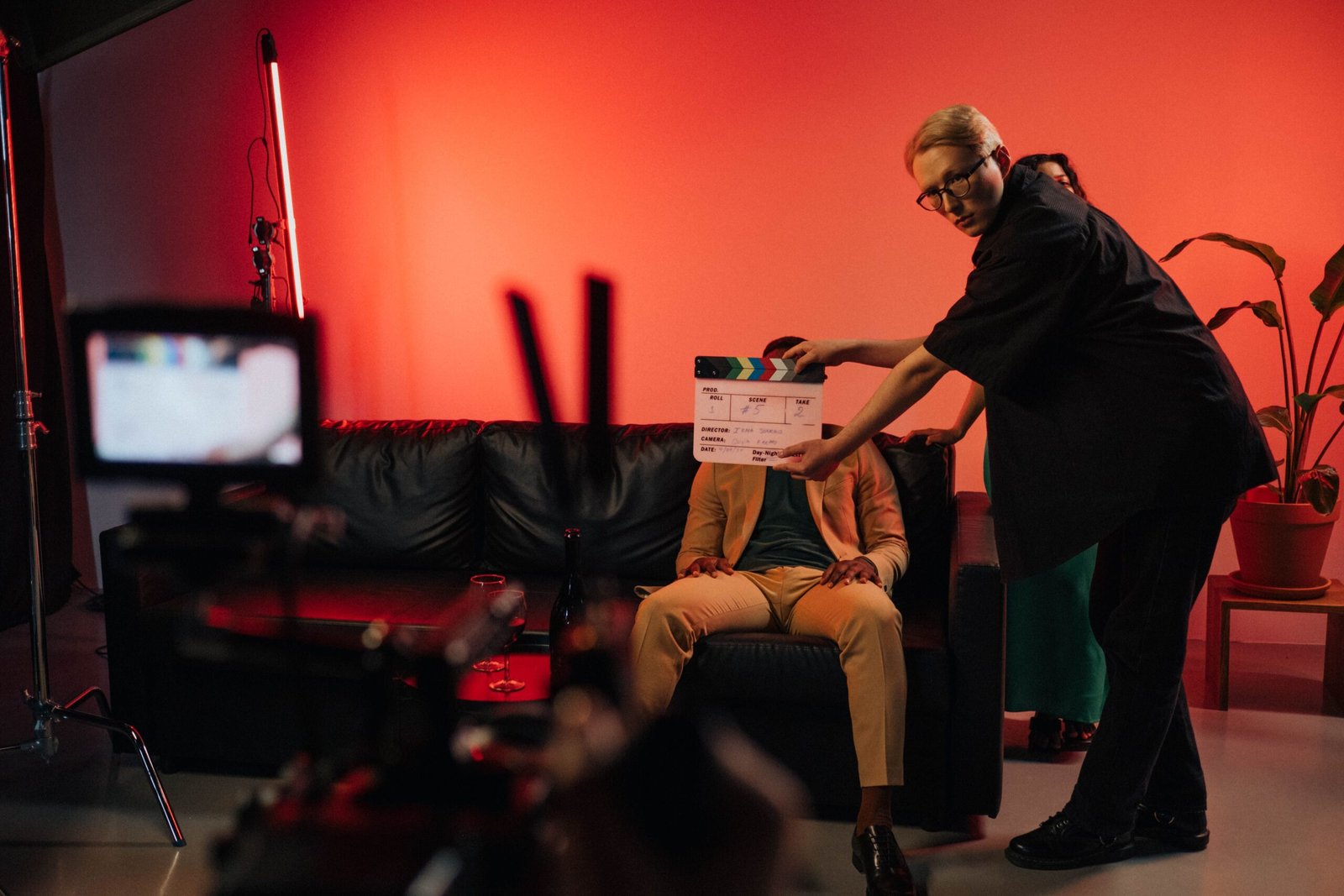
Kaley Cuoco has built a remarkable career in television and film, developing from a young performer into one of the most recognizable actresses of her generation. Born on November 30, 1985, in Camarillo, California, Cuoco began working in entertainment while she was still young and gradually established herself through television appearances, feature films, voice acting, and eventually major starring roles. Her career reached a defining point when she was cast as Penny on The Big Bang Theory, a role that introduced her to a worldwide audience and became closely associated with her name. Later, she demonstrated another side of her abilities by leading and executive producing The Flight Attendant, a comedy-drama thriller that earned her major awards recognition.
Kaley Cuoco’s Early Career
Cuoco began her professional career at a young age, appearing in commercials and taking early television and film roles before reaching her teenage years. One of her early feature-film appearances came in Virtuosity, and she subsequently accumulated credits in television programs and made-for-TV productions. Her first major television breakthrough arrived with 8 Simple Rules, where she played Bridget Hennessy. The series gave her an opportunity to work alongside established performers and helped establish her as a recognizable young television actress. Her early career also included appearances in projects such as Ladies Man, Growing Up Brady, Charmed, and animated productions in which she supplied voice performances.
Kaley Cuoco and The Big Bang Theory
The most transformative period of Cuoco’s career began in 2007 when she joined The Big Bang Theory as Penny. The CBS sitcom centered on a group of highly intelligent friends and their relationships, with Penny providing an important contrast to the show’s scientists and becoming an increasingly developed character as the series progressed. Cuoco remained with the program throughout its entire 12-season run, which concluded in 2019 after 279 episodes. Her performance helped make Penny one of the show’s most recognizable characters, while the enormous popularity of the series established Cuoco as one of television’s leading comedy performers.
The success of The Big Bang Theory also changed the scale of Cuoco’s professional career. During the show’s run, she continued appearing in films and other projects while becoming increasingly involved in producing. Her work on the sitcom demonstrated her ability to sustain a major television role over many years, but she subsequently made an effort to expand beyond the character that had made her internationally famous. That transition became especially important with her next major television project.
The Flight Attendant
After The Big Bang Theory ended, Cuoco took on the central role of Cassie Bowden in The Flight Attendant. The series combined comedy, mystery, and drama and allowed Cuoco to explore a considerably different type of character from Penny. She also served as an executive producer, giving her a larger creative role behind the scenes as well as in front of the camera. Her performance received Primetime Emmy nominations for Outstanding Lead Actress in a Comedy Series in both 2021 and 2022, while the program itself also received recognition during its run.
The series represented an important development in Cuoco’s career because it demonstrated that her work was not limited to traditional sitcom comedy. The combination of acting and producing allowed her to participate in a project from multiple creative perspectives. It also strengthened her reputation as an actress capable of carrying a series in a role that demanded both comedic timing and dramatic performance.
Kaley Cuoco’s Other Movies and Television Work
Although television has been the central part of Cuoco’s career, she has also appeared in a variety of films. Her credits include Hop, The Wedding Ringer, Authors Anonymous, and Why Him?, as well as earlier projects such as Virtuosity. She has also worked extensively as a voice performer, including the title role in the animated series Harley Quinn. This variety has allowed her to work across comedy, drama, animation, television, and film rather than remaining associated with only one type of production.
Cuoco’s work after The Big Bang Theory has also included producing. Her career therefore extends beyond simply appearing on screen, with producing credits becoming an increasingly important part of her professional identity. Apple describes her as having produced projects including Meet Cute and the animated series Harley Quinn, illustrating the broader range of responsibilities she has taken on within entertainment.
Kaley Cuoco’s Public Image and Career Legacy
A significant part of Cuoco’s public image comes from the contrast between the different stages of her career. Audiences first became familiar with her through youthful television roles, then watched her become a major sitcom star through The Big Bang Theory, and later saw her take on more complex material through The Flight Attendant. Her career illustrates how a performer can use the success of a major television series as a foundation for exploring new genres and responsibilities.
Cuoco has also maintained interests outside traditional acting. The Television Academy’s biography notes her enthusiasm for tennis, hiking, running, horseback riding, fitness, and rescue dogs. Her long-standing interest in horses and animals has become a recognizable part of her public profile as well.
Why Kaley Cuoco Remains a Popular Search
Search interest surrounding Kaley Cuoco covers many different aspects of her public career, including her biography, movies, television shows, relationships, interviews, photographs, and appearances. Search phrases involving celebrities do not always accurately represent the most useful information about the person being searched for. For readers looking for reliable information about Cuoco, her verified career history, television roles, filmography, awards recognition, and production work provide substantially more useful context than sensationalized search terms.
For publishers and SEO writers, this distinction is important. An article built around accurate biographical information can naturally incorporate related keywords such as “Kaley Cuoco biography,” “Kaley Cuoco movies,” “Kaley Cuoco TV shows,” “The Big Bang Theory,” and “The Flight Attendant” while providing genuine value to readers. Accurate information, clear organization, useful headings, and original discussion are more sustainable foundations for a celebrity-focused article than simply repeating a sensational search phrase.
Conclusion
Kaley Cuoco’s career is defined by longevity, versatility, and a willingness to take on new challenges. From her early work and breakthrough on 8 Simple Rules to her defining performance as Penny on The Big Bang Theory, she established herself as a major television performer. Her later work on The Flight Attendant, including her role as an executive producer, demonstrated a broader creative range and earned significant awards recognition. Her film, animation, and producing credits have continued to expand her professional profile, making her career considerably broader than the role that originally made her famous.
For readers researching Kaley Cuoco, the most useful approach is to look at the full scope of her career: her early acting work, breakthrough television roles, major productions, awards recognition, producing activities, and continuing work in entertainment. Taken together, these elements provide a much clearer picture of why she remains a prominent figure in television and popular culture.
Frequently Asked Questions
Who is Kaley Cuoco?
Kaley Cuoco is an American actress and producer known particularly for playing Penny on The Big Bang Theory and Cassie Bowden on The Flight Attendant.
What is Kaley Cuoco best known for?
She is best known internationally for her role as Penny on The Big Bang Theory, which ran from 2007 through 2019 and totaled 279 episodes.
What was Kaley Cuoco’s role in The Flight Attendant?
Cuoco played Cassie Bowden and also served as an executive producer on The Flight Attendant. Her performance earned Primetime Emmy nominations in 2021 and 2022.
What movies has Kaley Cuoco appeared in?
Her film credits include Virtuosity, Hop, The Wedding Ringer, Authors Anonymous, and other productions throughout her career.
Does Kaley Cuoco do voice acting?
Yes. Cuoco has provided voice performances in animated productions and voices the title character in Harley Quinn.
When was Kaley Cuoco born?
Kaley Cuoco was born on November 30, 1985, in Camarillo, California.
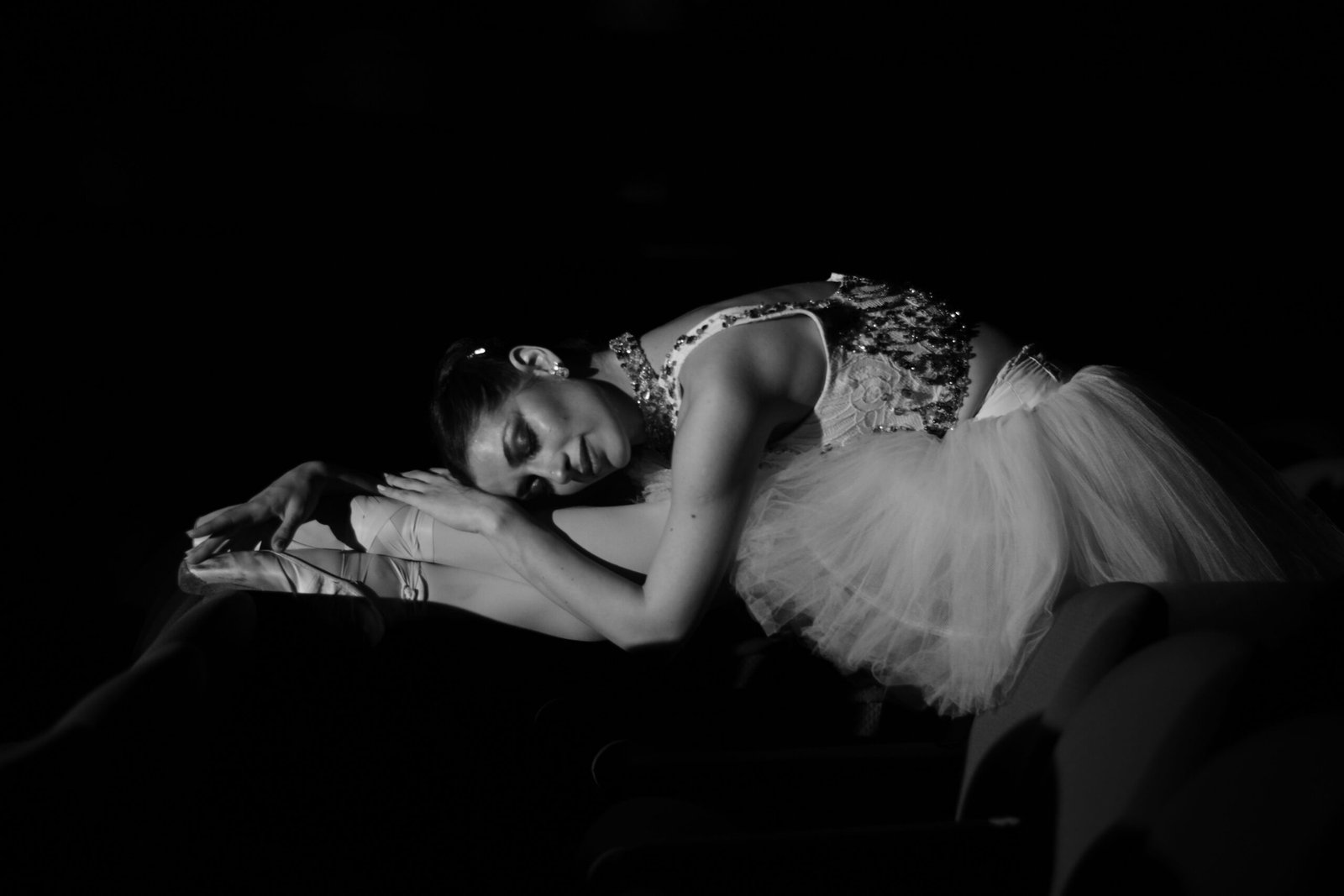
Zendaya has developed from a young Disney Channel performer into one of the most recognizable actors and fashion personalities of her generation. Her career combines television, blockbuster movies, dramatic performances, producing, and high-profile fashion work, giving her an unusually broad presence across entertainment and popular culture. Rather than being defined by a single role, Zendaya has steadily expanded the kinds of projects associated with her name, moving from youth-oriented television into critically recognized dramatic performances and major Hollywood productions. Her official website lists major credits including Euphoria, Spider-Man: Homecoming, Spider-Man: Far From Home, Spider-Man: No Way Home, Dune, The Greatest Showman, Malcolm & Marie, K.C. Undercover, and Shake It Up!.
Zendaya’s Early Career
Zendaya began performing at a young age and established her first major television profile through Disney Channel’s Shake It Up!. She later starred in K.C. Undercover, where she also took on producing responsibilities. These early projects gave her experience not only in front of the camera but also in understanding the broader production process. Her transition from children’s and family entertainment into more mature material became an important part of her career development because it demonstrated her ability to work across substantially different genres and audiences. According to her official biography, Zendaya grew up in Oakland, California, and spent much of her childhood around theater because her mother worked at a local theater.
Zendaya’s Breakthrough in Film
Zendaya’s movie career expanded significantly when she joined the Spider-Man franchise as Michelle “MJ” Jones. Her appearances in Spider-Man: Homecoming, Spider-Man: Far From Home, and Spider-Man: No Way Home placed her alongside one of the world’s most successful superhero franchises and introduced her work to a massive international audience. Her filmography subsequently became more diverse, including projects such as The Greatest Showman, Malcolm & Marie, and Denis Villeneuve’s Dune. This progression is significant because it shows how Zendaya moved beyond the television environment where many audiences first encountered her and established herself as a major film performer.
Zendaya and Euphoria
One of the defining projects in Zendaya’s career is HBO’s Euphoria, in which she plays Rue Bennett. The series allowed her to take on substantially more dramatic material than her earlier television work and became an important showcase for her acting range. Her performance as Rue earned her an Emmy Award in 2020 for Lead Actress in a Drama Series, making her, according to her official biography, the youngest woman to win that award at the time. The role also demonstrated how effectively Zendaya could transition from youth-oriented entertainment into serious television drama while maintaining a strong connection with a broad audience.
Zendaya and the Dune Franchise
Another major stage of Zendaya’s film career has been her role as Chani in the Dune series. Working with director Denis Villeneuve and a large ensemble cast placed her in a major science-fiction production with international reach. The character of Chani provided another opportunity for Zendaya to participate in a visually ambitious franchise while working alongside performers including Timothée Chalamet and Oscar Isaac. Her involvement with Dune further established her as an actor capable of moving comfortably between contemporary drama, superhero cinema, and large-scale science-fiction filmmaking.
Zendaya’s Fashion Influence
Acting is only one part of Zendaya’s public profile. Fashion has become another important element of her career, with her appearances at major events frequently attracting international media attention. Her official biography describes her as a leading fashion figure and notes her collaboration with Tommy Hilfiger as well as her work with luxury brands including Lancôme, Bulgari, and Valentino. In 2021, she received the CFDA Fashion Icon Award, which her official biography identifies as a record achievement because she was the youngest recipient at that time.
Zendaya’s fashion influence is particularly notable because it complements rather than replaces her acting career. Red-carpet appearances, editorial photography, designer collaborations, and brand campaigns have helped establish a recognizable visual identity around her public image. For audiences researching Zendaya’s style, the most useful approach is therefore to consider her fashion work alongside her film and television career rather than treating celebrity imagery as an isolated subject.
Zendaya’s Public Image
Zendaya’s public image has developed around several interconnected areas: acting, fashion, professionalism, and carefully selected creative projects. Her career illustrates how a performer can use early television exposure as a foundation for increasingly ambitious opportunities. From Disney Channel productions to major studio films and award-winning dramatic television, her professional trajectory demonstrates considerable variety. Her official website presents this progression through a film and television list that spans Shake It Up!, K.C. Undercover, The Greatest Showman, Spider-Man, Dune, Euphoria, and other productions.
Why Zendaya Remains a Major Search Topic
Search interest surrounding Zendaya reflects the unusual breadth of her public career. People may encounter her through a movie, television series, fashion event, brand campaign, interview, or social-media discussion and then search for additional information about her. This makes broad informational content more useful than pages focused on sensational or misleading claims. A strong Zendaya biography can answer questions about her acting career, notable roles, awards, fashion work, professional development, and major productions while giving readers reliable context.
Conclusion
Zendaya’s career is a story of continued professional expansion. Beginning with Disney Channel television, she progressed into major Hollywood franchises, acclaimed dramatic television, international film productions, and influential fashion partnerships. Her work in Euphoria, the Spider-Man franchise, and Dune represents several different stages of that development, while her fashion collaborations demonstrate that her influence extends beyond acting. For readers interested in Zendaya, her biography, career achievements, movies, television work, and fashion influence provide a much more complete picture of the performer and public figure than sensationalized searches alone. Her official website remains a useful source for an overview of her film and television credits and professional background.
Frequently Asked Questions
Who is Zendaya?
Zendaya is an American actor and fashion personality known for television and film roles including Euphoria, the Spider-Man franchise, and Dune. She began her career on Disney Channel before moving into larger film and dramatic television projects.
What movies is Zendaya known for?
Zendaya is known for movies including Spider-Man: Homecoming, Spider-Man: Far From Home, Spider-Man: No Way Home, Dune, The Greatest Showman, Malcolm & Marie, and Space Jam: A New Legacy.
What TV show made Zendaya especially well known for dramatic acting?
Euphoria became one of Zendaya’s most significant dramatic television roles. Her performance as Rue Bennett earned her an Emmy Award in 2020.
Is Zendaya involved in fashion?
Yes. Zendaya has developed a substantial fashion profile through designer collaborations, luxury-brand partnerships, and major red-carpet appearances. Her official biography notes her Tommy Hilfiger collaboration and her relationships with brands including Lancôme, Bulgari, and Valentino.
What is Zendaya’s connection to Spider-Man?
Zendaya plays Michelle “MJ” Jones in the recent Spider-Man film series, appearing in Spider-Man: Homecoming, Spider-Man: Far From Home, and Spider-Man: No Way Home.
What is Zendaya’s role in Dune?
Zendaya plays Chani in Denis Villeneuve’s Dune films. The role expanded her filmography into major science-fiction filmmaking and placed her in an ensemble featuring several internationally recognized actors.


Kaley Cuoco: Biography, Career, Movies, TV Shows, and Life

Zendaya: Biography, Career, Movies, Fashion, and Public Image

NR2003: The Complete Guide to NASCAR Racing 2003 Season

CDiPhone: Complete Guide, Features, Benefits, Review & Buying Tips (2026)

The Complete Guide to Features, Benefits, Trading Tools, and Market Analysis

The Complete Guide to Understanding, Using, and Optimizing Tags for Better Organization and SEO
 Technology4 months ago
CDiPhone: Complete Guide, Features, Benefits, Review & Buying Tips (2026)
- Technology4 months ago
The Complete Guide to Features, Benefits, Trading Tools, and Market Analysis
- Digital4 months ago
The Complete Guide to Understanding, Using, and Optimizing Tags for Better Organization and SEO
- Entertainment4 months ago
What Is Satta Marking? Complete Guide for Beginners
- Tech4 months ago
DX Flash: Complete Guide to Features, Uses, Installation, Benefits, and Troubleshooting
- Technology3 months ago
Google Dataset Search: The Complete Guide to Finding Free Public Datasets in 2026
- Business4 months ago
Aldi New US Store Format: Everything You Need to Know About Aldi’s Modern Shopping Experience
- Celebrity4 months ago
Trump Tees It Up With Hall of Fame: Complete Story, Event Highlights, and Why It Matters